Sustainable Catering Options

Sustainability is all about meeting your own needs without compromising the ability of future generations to meet their own needs.
Apart from natural resources, it also applies to every facet of our personal and professional lives.
Thinking about how you can implement sustainability in your catering? Providing food at your event doesn’t have to be a drain on the environment.
Sustainable, delicious meals are now a real option for feeding your guests.
As an events agency that organises sustainable events, here are some sustainable catering ideas for events.
Sustainable Catering Tips
With so many dos and don’ts to abide by, catering an event can give you a massive headache. If you also want to implement sustainable catering, it complicates things even more.
Here is a look at some of the ways you can introduce sustainable and eco-friendly catering to not only your event, but your business, workplace and personal life:
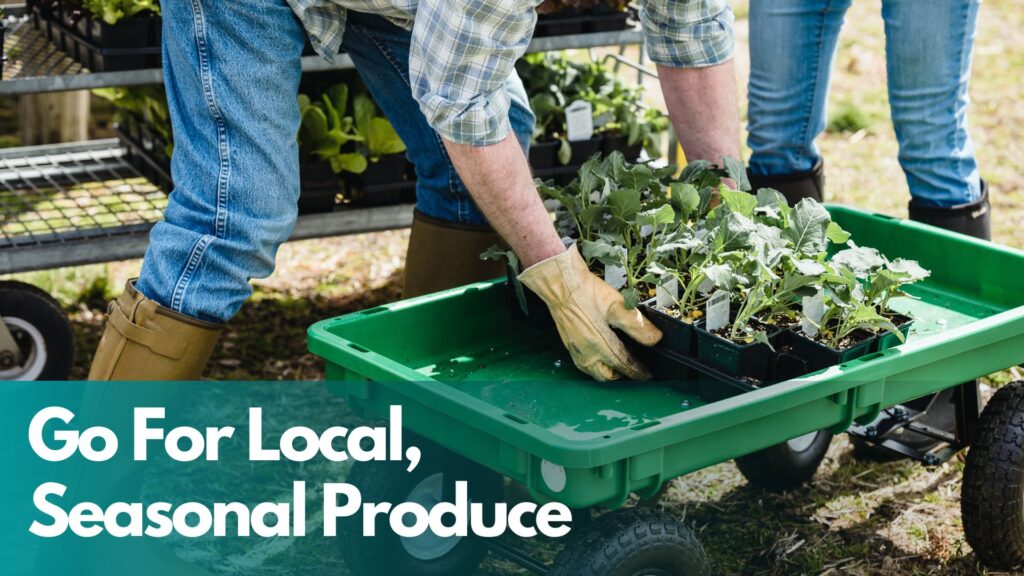
1. Go for local seasonal produce
Consuming seasonal foods is not only cheap and easy but also a sustainable practice that is good for the earth. At the same time, it is a great way to cut down on the consumption of processed foods, which is not healthy in the long run.
Ask your caterers to provide locally sourced fresh produce that is in season. It is important that the food is sourced locally because the further vegetables, fruits, meat, seafood, or dairy products have to travel, the larger your carbon footprint will be.
Using local suppliers reduces your carbon footprint and environmental impact. It is also often cheaper as well as a great way to support local businesses in your area.
2. Minimise food waste
According to the Food and Agriculture Organization (FAO), 1.6 billion tons of food is wasted each year. This translates to a carbon footprint of 3.3 billion tons of CO2 released into the atmosphere.
Interestingly, this massive wastage can be reduced by a huge margin if we all just adopted a few simple everyday changes. These changes can also be adopted in the corporate industry to great results.
Sustainable caterers have a huge to play in this. Things like donating leftovers and excesses to food banks, ordering the correct amount of food, and composting any excess food instead of sending it to a landfill will go a long way in helping you minimize food waste.

3. Use eco-friendly tableware
One of the biggest environmental impacts of catering comes from the massive number of single-use plastics and waste that it produces, primarily from tableware.
You can avoid this by switching to eco-friendly reusable tableware. Instead of plastic cups and plates, go for ceramic ones. You can also use metal silverware and linen napkins instead of throw-away options.
If you are having your event in an area with an existing kitchen such as an office, having a “bring your own tableware” option for smaller groups or outsourcing the cleanup to a dishwashing service provider would be ideal. You can also invest in eco-friendly tableware that can be reused, recycled, or composted.

4. Eat less meat
High meat consumption means intense farming practices that increase carbon emissions. Farming these animals for meat also leads to reduced biodiversity. This is why reducing the meat intake at your event will make a huge difference.
Instead of meat, go for legumes and vegetables. Caterers can also swap out a few meaty finger foods with plant-based alternatives. This is not only good for the environment but also healthier for the team!
What’s more, this is an amazing green living tip that you can (hopefully!) convince everyone to apply at home as well. You do not have to completely cut meat out of your diet, but simply reducing your meat intake from 110g a day to 55g a day will make a huge difference.

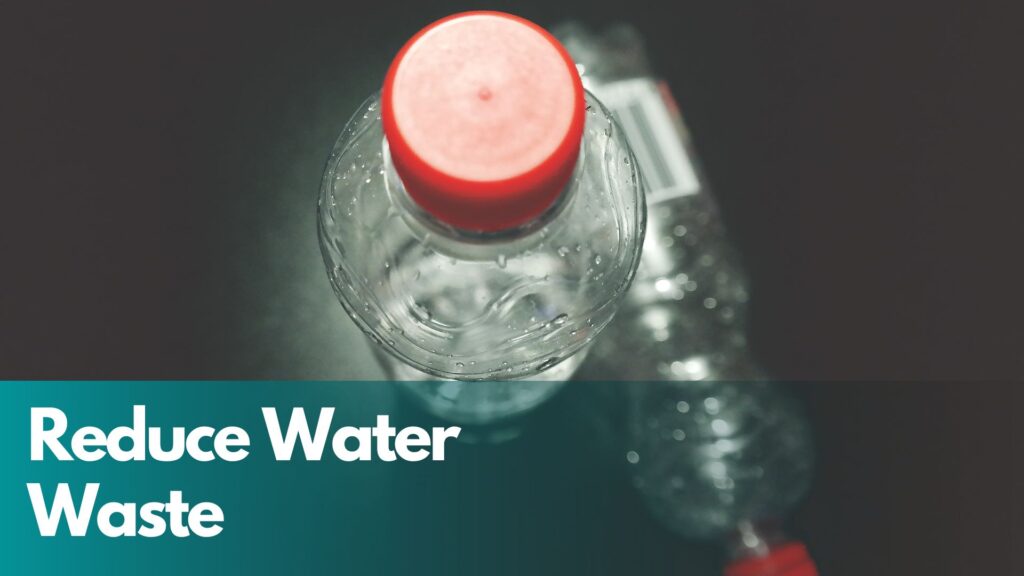
5. Reduce water waste
Instead of buying small individual water bottles, provide water in bulk to your event’s attendees. You can even encourage them to bring their own water bottles to reduce the need for single-use plastic bottles.
Additionally, consider investing in reusable cups and collecting them at the end of the event to be reused in future events.
If you have a large event with a lot of people, outsourcing the dishwashing to a dishwashing service provider will ensure that they are washed more efficiently with less water than you would have. Some can even help you clean your linens as well.
Educate your staff on the best water-saving practices so that they actively conserve water as they work. This will help you reduce water waste across the board, from cooking to cleaning and everything in between.
You can also install low-flow faucets with foot pedals to turn them on which will ensure that all faucets are turned off when not in use.
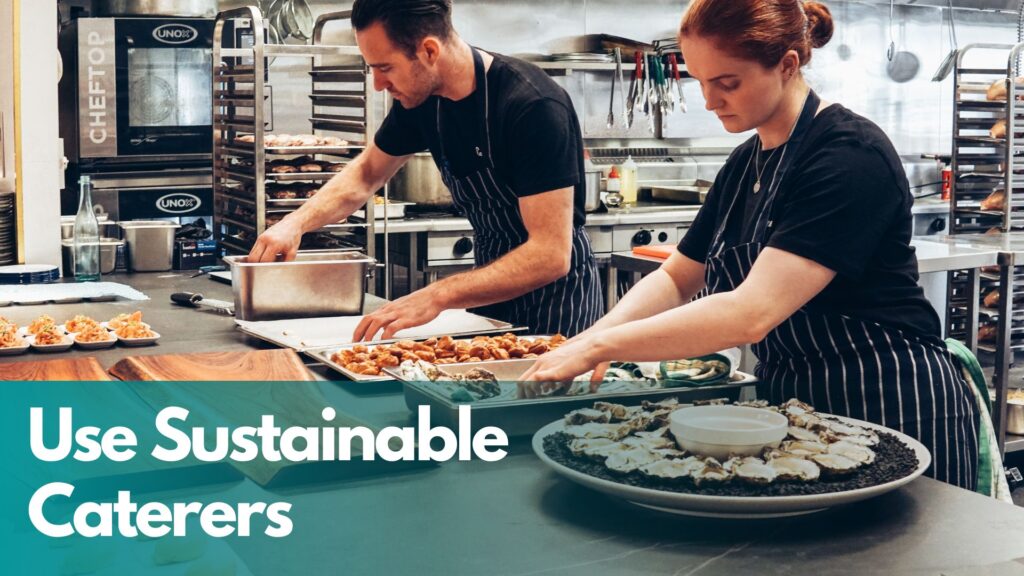
6. Exclusively use sustainable caterers
If you need a catering service for your business or event, take it upon yourself to do your research and only use sustainable caterers.
Ordering from caterers who use recyclable food containers, who have good recycling practices, and who limit the use of single-use plastics will go a long way in making your event more sustainable overall.
7. Use energy-efficient equipment and supplies
The equipment you use to prepare and deliver food will also have an impact on your overall sustainability.
Therefore, consider switching to energy-star qualified equipment products that use much less energy to do the same job.
You can equip your entire kitchen with low-energy high-efficiency equipment including freezers, refrigerators, microwaves, stovetops, and more.
Next, use green cleaning products to clean. Do this both before and after the event is over to keep your sustainability efforts going. Avoid products with bleach or harsh chemicals.
Finally, service your vehicle regularly to ensure that as you regularly transport food, staff, and equipment to and from your event locations, you do not emit excess pollution.
If you need an upgrade, consider upgrading to an all-electric vehicle and using that to promote your business!

Final Thoughts
In recent years, there has been a clear shift in the way people order and consume food, leading to a rise in sustainable eating.
More people than ever before want to know where their food comes from and whether or not it was produced in an eco-friendly, sustainable way.
With the ideas outlined here, you, too, can implement sustainable catering in your event or business.
Looking to book a sustainable event? Find out more.
This is a guest blog. Jade Piper is a writer and mother based in Indianapolis. She is a keen environmentalist and in her spare time enjoys gardening, reading, and listening to music.
Get In Touch With Us Today.
With nearly 20 years of Event Management insight, working with world-renowned Clients we'll help you create your Dream Event.
Get in Touch