Event Technology Services
Find out more

Immersive reality involves three specific aspects: Mixed Reality (MR), Virtual Reality (VR) and Augmented Reality (AR).
All of these aspects can be incorporated into your event to make for a more engaging experience for all involved.
However, each has a very specific place within your event and needs to be implemented correctly to be successful. That’s where we come in.
There is endless potential for the integration of this immersive technology within hybrid, virtual and in-person events.
We Provide:
Augmented reality is the use of digital content that is overlayed into a real-world environment.
AR within the events space is a powerful tool for creating a more engaging and interactive experience for attendees.
This technology is often used within an app on your smartphone that uses the camera to overlay digital content in the real world.
This is very useful for exhibitions, brand activations and any event that has a navigational aspect to it – you can overlay signage, extra information and more.
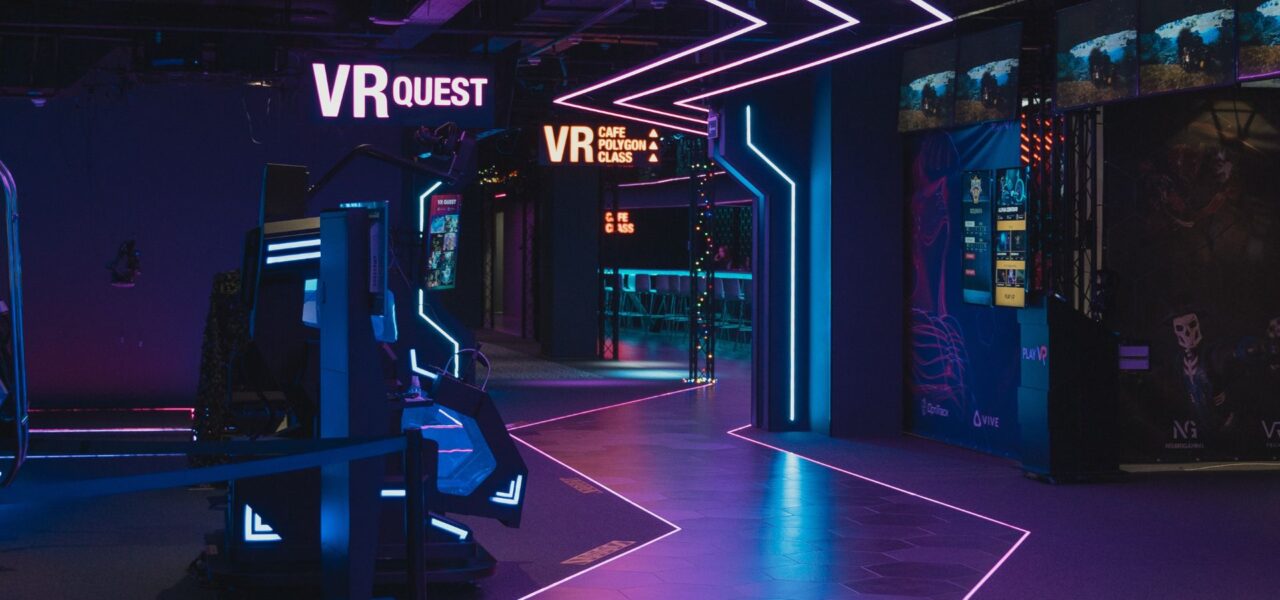
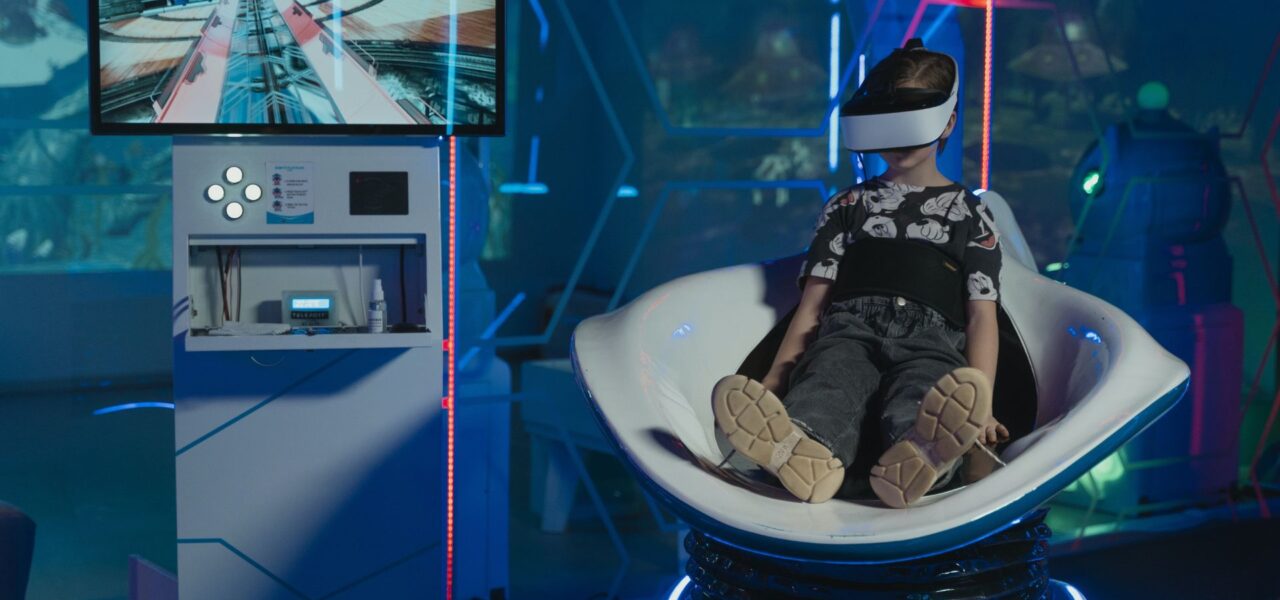
Virtual Reality is a fully-immersive digital experience that simulates a real-world experience.
VR within the events space is also a powerful tool for creating a more engaging experience for attendees.
VR is more immersive. Virtual reality usually involves wearing a headset that covers the user’s eyes and ears – so it controls two of the senses – sight and hearing.
The experience can be made to be more immersive by involving some of the other human senses.
VR has a range of uses within the events space and allows attendees to engage with content in new and exciting ways.
Mixed Reality is a blend of both augmented reality and virtual reality.
MR combines elements of virtual and augmented reality to create a more immersive and interactive experience.
It blends virtual objects with the real-world, making the two appear to coexist in the same space.
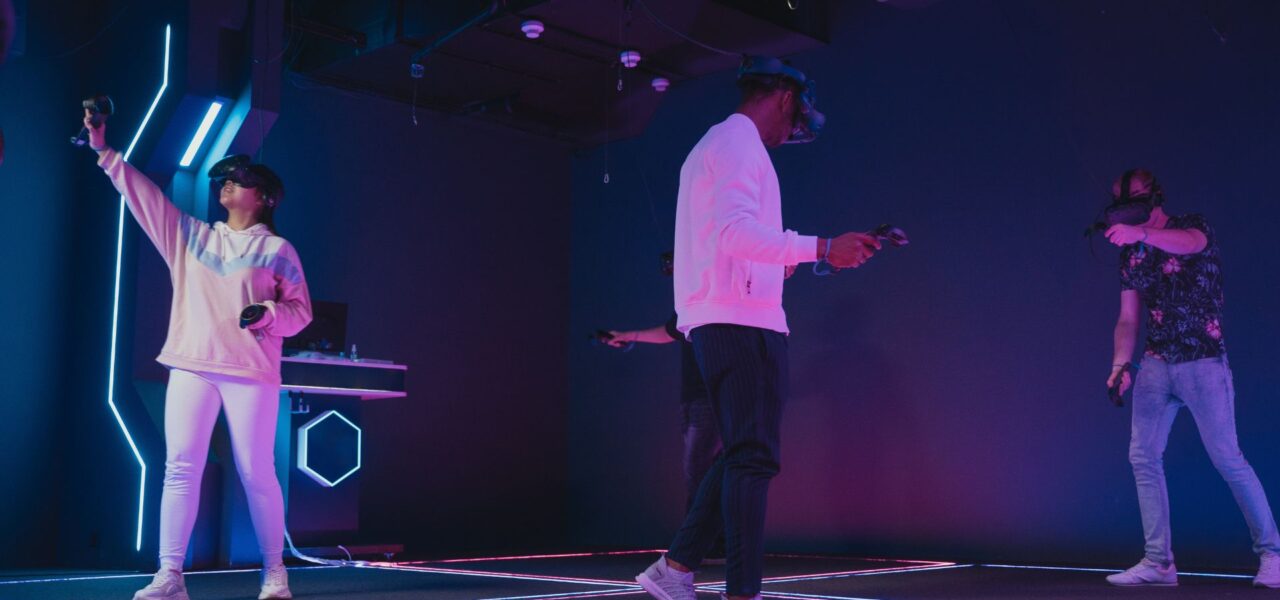
Reap the benefits of immersive technology within your events. If implemented correctly, it can maximise your user experience and therefore ROI.
As covered above, it mainly involves AR, VR and MR, which are all types of immersive reality experiences.
This technology can be incorporated with any virtual, hybrid and in-person event, however, we find this technology especially beneficial with:
Many events, trade shows, and product launches implement immersive technology to better engage audiences.
Almost every aspect of your event can incorporate immersive reality to make for a more engaging event experience.
Immersive reality changes the ways in which attendees engage with your event, so this implementation will need to be considered and planned for at the concept stage of your event.
Here are some examples of what immersive reality can enhance:
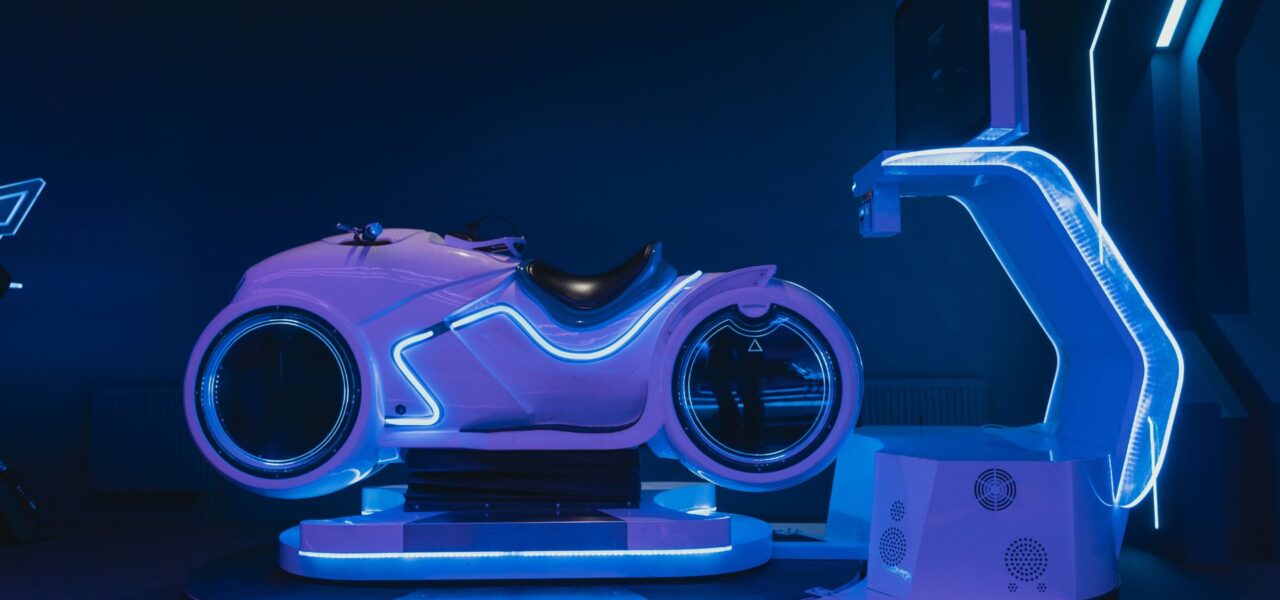
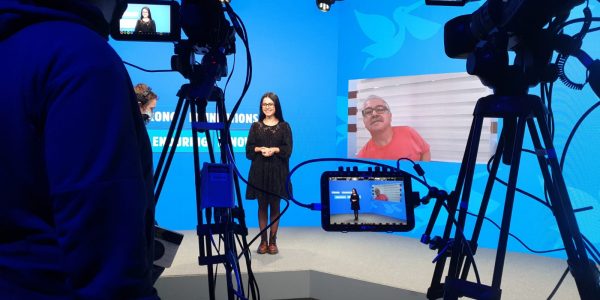
Conferences, Event Technology, Virtual Events
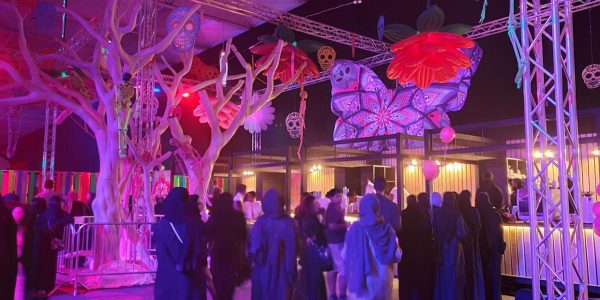
Design & Production, Festivals, Halloween Events
Augmented reality has many uses and benefits within the events space and completely changes the ways in which attendees engage at your event.
AR uses a smartphone (or similar device) and GPS. Using the camera on your device, AR will overlay content on the real-world environment you are seeing.
It overlays content, whether that be images, graphics or information in a physical environment.
It’s more of a ‘hybrid’ approach as opposed to an entirely virtual approach like VR.
Here are some examples of how we use AR in events:
The implementation of AR within your event will need to be considered and planned for at the concept stage of your event.
Virtual reality also has many uses and benefits within the events space and completely changes the ways in which attendees engage at your event.
Different to AR, VR is an entirely virtual world; the user is transported into a simulated world.
Typically involving a headset, controllers and headphones, it fully immerses the user in a virtual, simulated world.
Here are some examples of how we use VR in events:
The implementation of VR within your event will need to be considered and planned for at the concept stage of your event.
Get in contact with a member of the events team today to discuss our immersive reality solutions and what we can do for you.
Get in Touch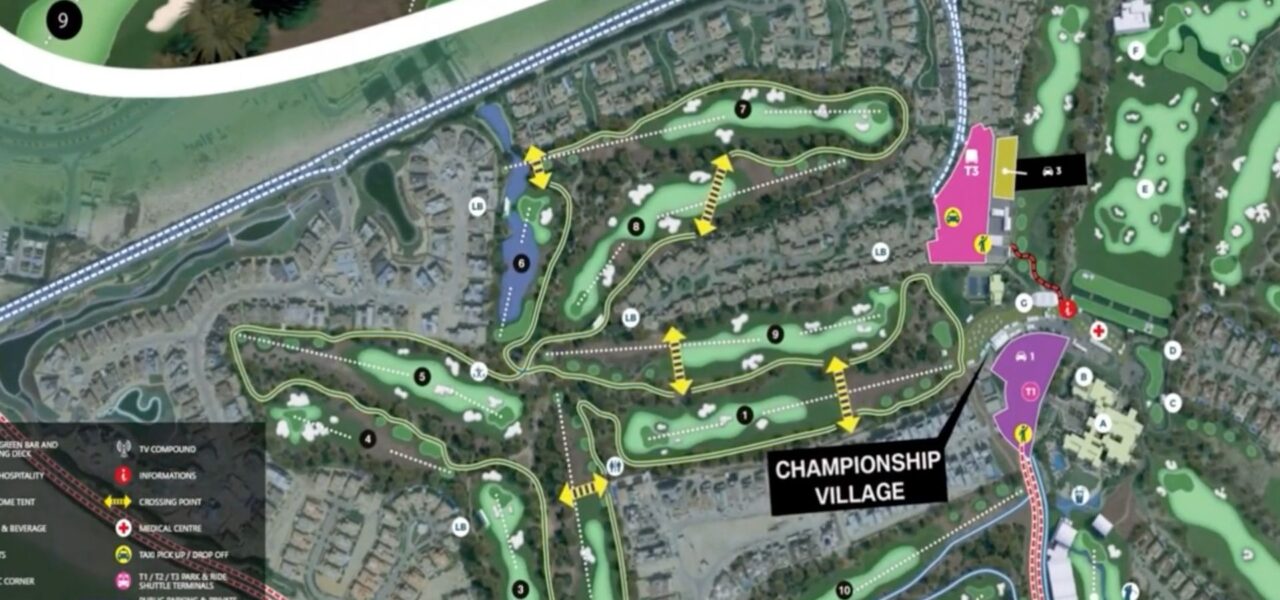
One huge benefit of incorporating immersive technology into your event is the improvement in event navigation and assistance.
Immersive reality and specifically AR can bring your event up to speed and provide wayfinding information to event attendees.
AR can take attendees on an enhanced tour of your event space, overlaying directions, showing an overall map and more of where to go and when at your event.
For example, if you are hosting a large conference that has multiple presentations in different locations, it’s essential to make sure that the attendees have detailed, up-to-date information about this to ensure nothing is missed. It also adds an element of fun.
Whatsmore, immersive technology can promote panellists and guest speakers and provide additional information that a delegate would typically have to visit a website or read a leaflet for.
It has an accessibility and inclusive angle to this too; in real-time as panellists speak, delegates can simply point their phones to the speaker on stage and have information and even a transcript pop up on their screen.
For some events, especially conferences, roadshows, exhibitions and similar events, networking is one of the most important and beneficial aspects for attendees.
So if you can enhance this aspect of your event, you will attract more interest in your event. Immersive reality enhances event networking capabilities between delegates.
With AR specifically, attendees can learn more about each other by simply adding a digital aspect to your event. You can enable delegates to see information about each other in the audience, for example, through virtual business cards.
This integration encourages delegates to interact digitally first, making it easier for delegates who may struggle to strike up a conversation in-person.
Immersive reality also extends to aspects of gaming which is also an element of networking.
For example, creating a treasure hunt at your event to get delegates working together and socialising is a great way of enhancing networking capabilities within your event.
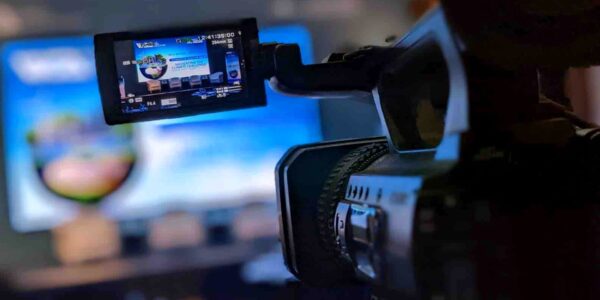
Hybrid events carry with them many benefits, such as opening up your event to a wider audience and reducing your event’s carbon footprint.
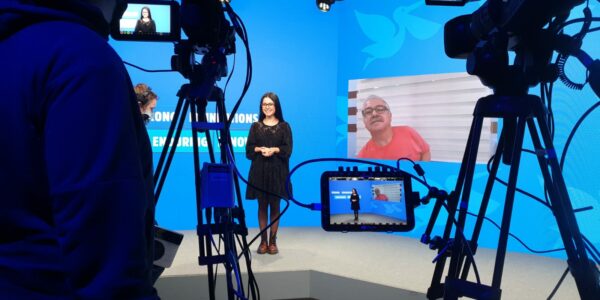
We discuss 4 ways you can use digital technology to personalise your virtual event and make it stand out above the rest.

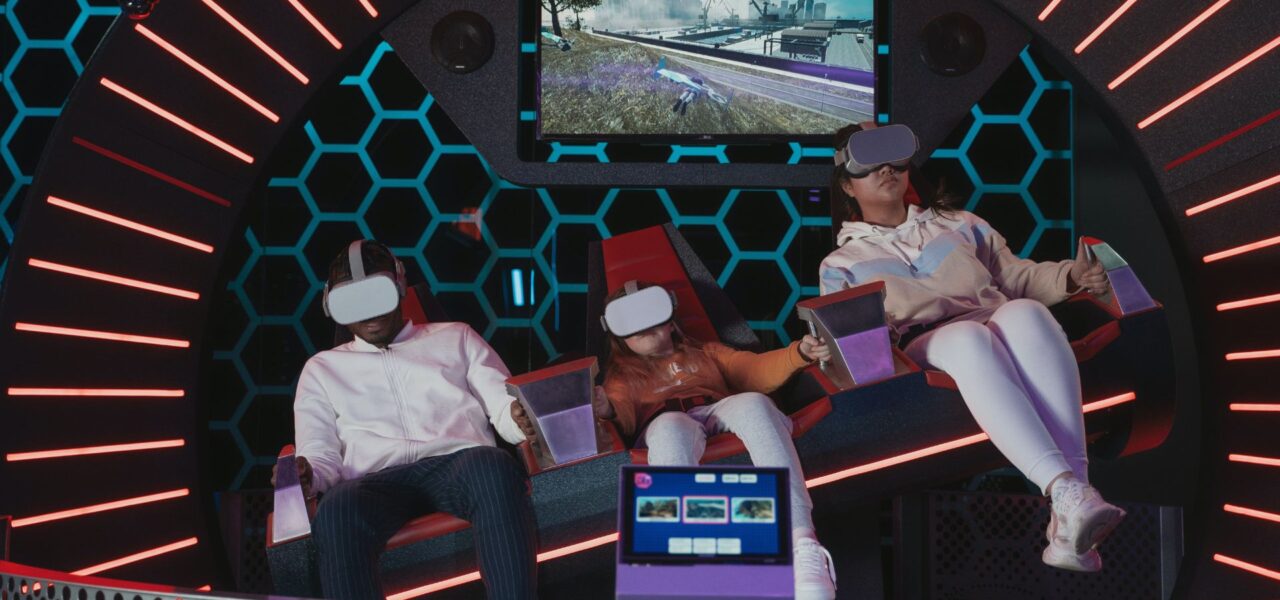
Stepping into the future of entertainment, virtual reality escape rooms give you the event experience advantage with their immersive and limitless possibilities.
With nearly 20 years of Event Management insight, working with world-renowned Clients we'll help you create your Dream Event.
Get in Touch