Brand Activations vs Product Launches: What’s The Difference?
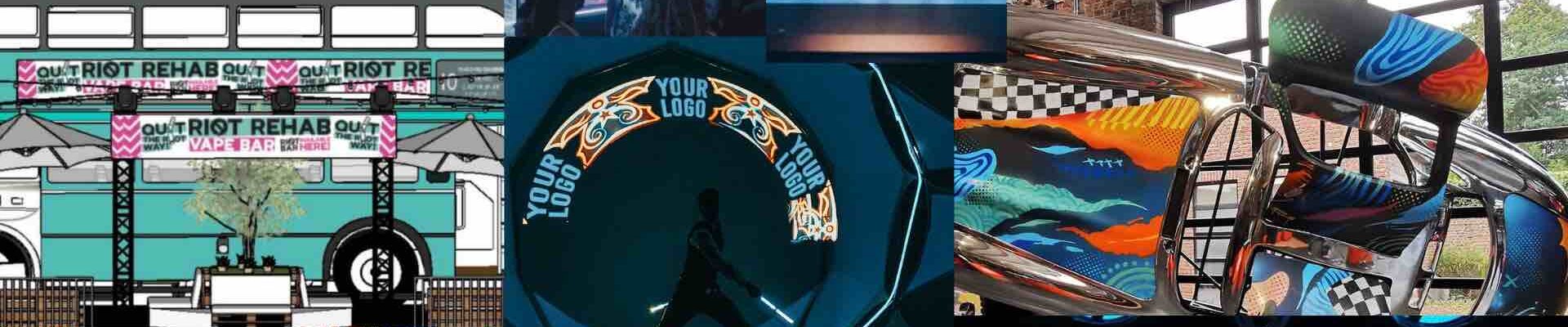
Brand launch events are powerful live marketing tools designed to introduce a product or elevate overall brand perception.
While product launches focus on driving sales and showcasing features, brand activations immerse audiences in memorable experiences that build loyalty and engagement.
Understanding the difference helps marketers plan brand launch events that deliver measurable impact.
In this blog, we explore the key differences and similarities between product launches and brand activations, looking at their unique characteristics, objectives and the ways in which they engage audiences.
Let’s get into it!
What Are Brand Launch Events And How Do They Differ From Product Launches?
Brand launch events are immersive experiences designed to elevate a brand’s presence and build loyalty.
Product launches, on the other hand, focus on introducing a specific product and driving early sales.
While both generate buzz, brand activations prioritise engagement and emotional connection, whereas product launches prioritise information and conversion.
How Can Brand Launch Events Increase Awareness, Engagement And Sales?
By creating memorable, interactive experiences, brand launch events encourage attendees to share content, talk about your brand, and build long-term loyalty.
This amplified reach drives awareness, deepens engagement, and ultimately supports sales growth through stronger brand connections.
Defining The Types of Brand Launch Events
First, let’s define the events.
Defining A Product Launch
Product launches are exactly what they sound like – events created specifically for the purpose of launching a new product.
The purpose of these events is usually to create a buzz around a new product (or re-launch of an existing product) – usually on social media – to generate momentum in selling the product.
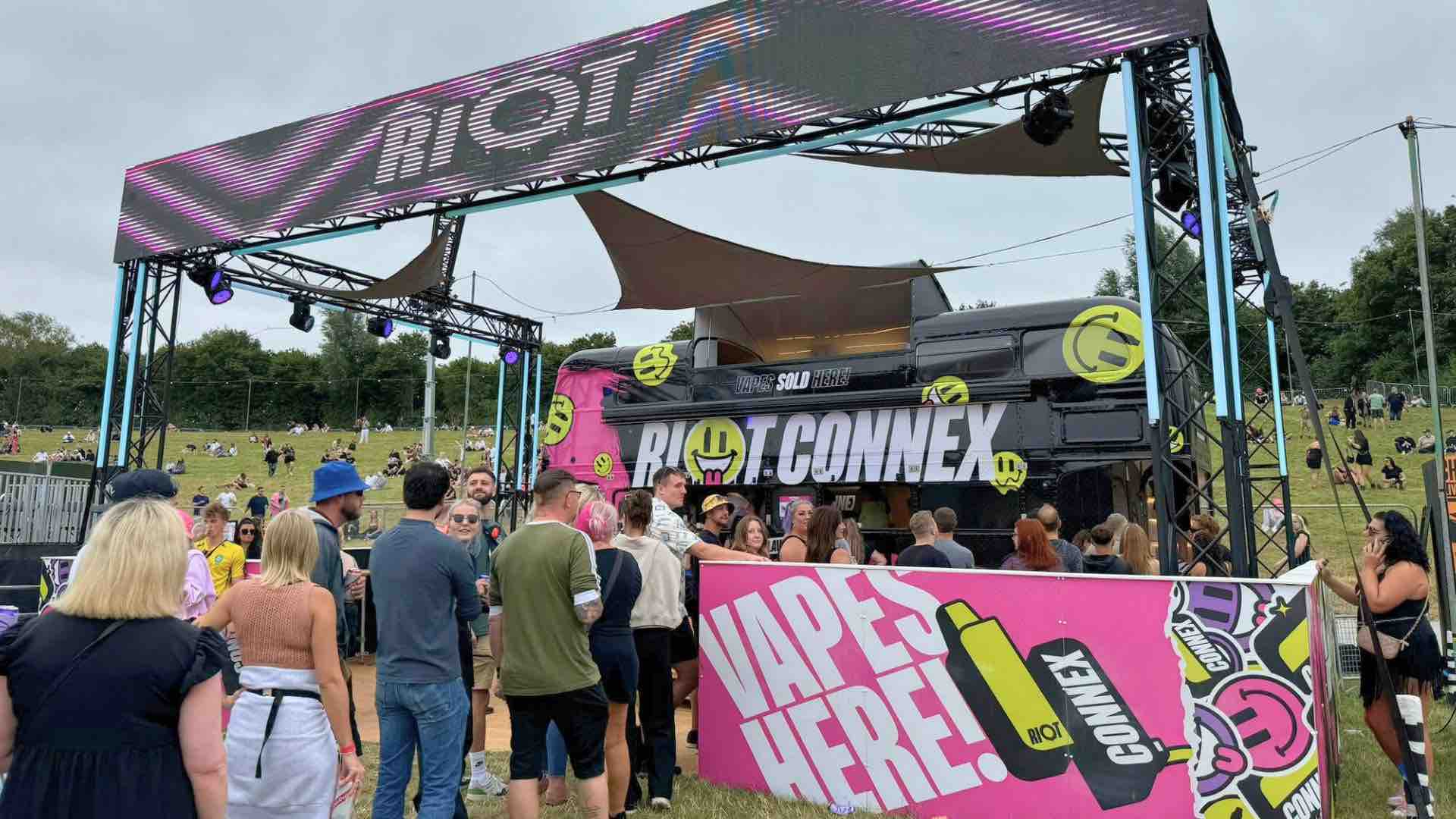
An example of this is the ‘Riot Connex’ bus we recently brought to a festival in the UK – The Chase and Status event at The National Bowl in Milton Keynes – where we’re based!
This bus launched Riot Squad’s new product, ‘Connex’, in a new and exciting way – bringing a branded tour bus to festivals in the UK to raise awareness of their new product on a VIP style bus.
Purpose of Product Launches
- Introduce a new or relaunched product to the market
- Generate media buzz and industry attention
- Drive pre-orders and early-stage sales
- Showcase key features and USPs clearly and convincingly
Typical Audience for Product-Focused Brand Launch Events
- Influencers aligned with the target demographic
- Media representatives and journalists
- Key stakeholders and industry partners
- Prospective and existing customers
Core Elements of Successful Product Launch Events
- Coordinated media coverage and social amplification
- Structured presentations and keynote speeches
- Live product demonstrations
- Interactive Q&A sessions
- Professionally prepared press kits
Take a look at our product launch services.
Defining A Brand Activation
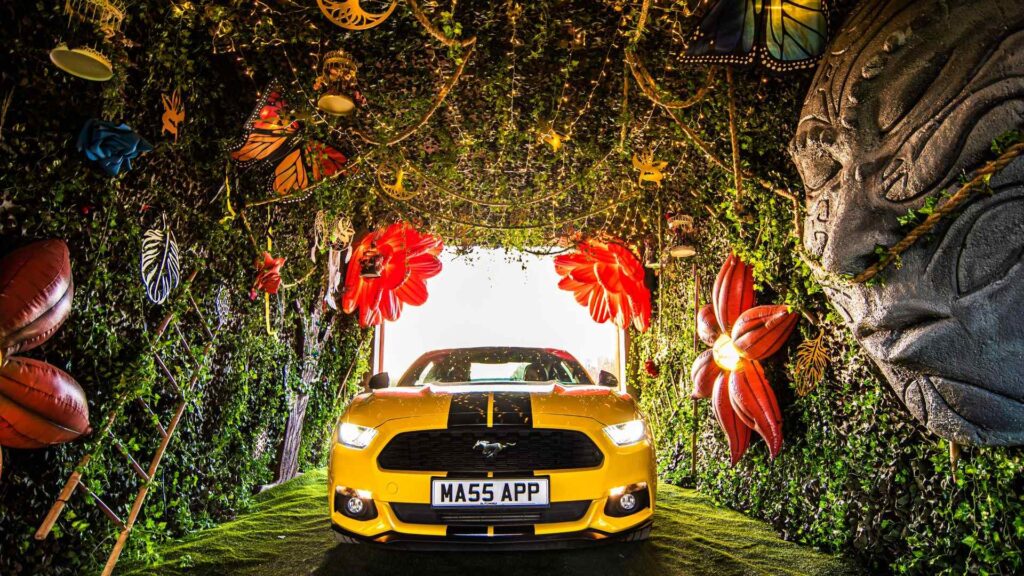
Brand activations on the other hand are experiential marketing events designed to engage consumers directly, creating a lasting impression of the brand.
These events aim to immerse consumers who attend your activation/event in the brand, allowing them to interact directly with products or services in a memorable and meaningful way.
They’re different to product launches – instead of focusing on a specific item, brand launch events aim to enhance overall brand perception and customer loyalty by creating a direct, meaningful interaction between a brand and its target audience.
Purpose of Brand Activations
- Strengthen overall brand perception
- Build long-term customer loyalty
- Create immersive and memorable brand experiences
- Encourage organic word-of-mouth and social sharing
Typical Audience for Brand Activation–Led Brand Launch Events
- Existing customers and brand advocates
- Target consumer groups
- Influencers and content creators
- Community audiences or event attendees
Core Elements of Successful Brand Activation Events
- Experiential and immersive environments
- Interactive zones and hands-on activities
- Branded photo opportunities and social moments
- Live entertainment or performance elements
- Integrated social media touchpoints and shareable content
These elements ensure brand activation–focused brand launch events create emotional connection, engagement and lasting brand impact.
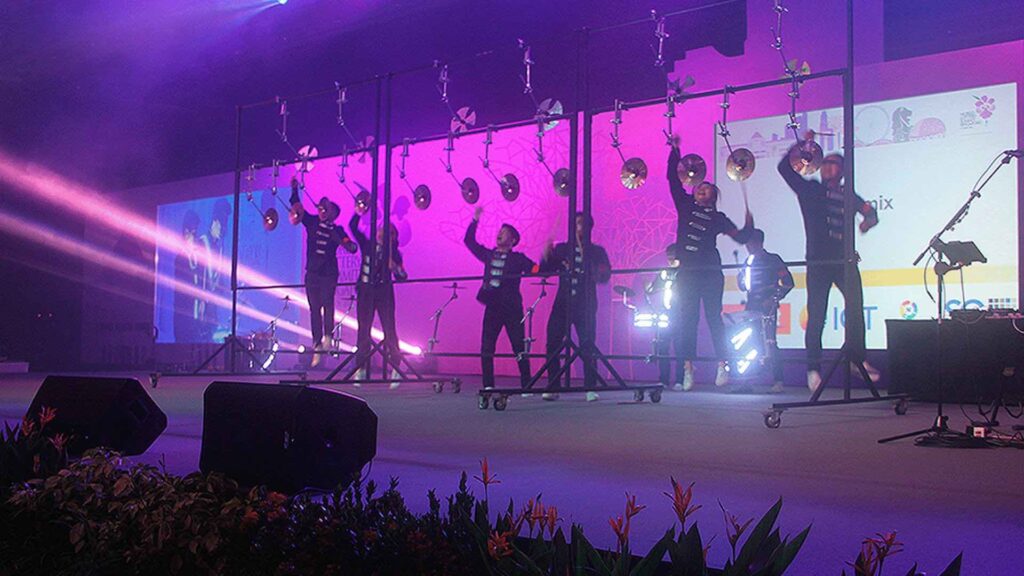
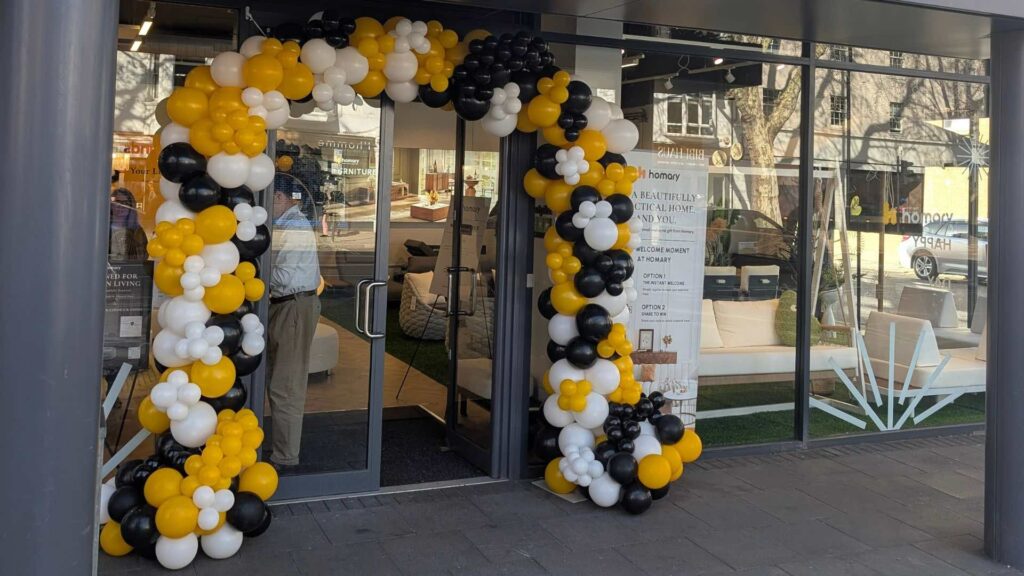
It’s important for brand launch events to encourage audience participation to make it memorable.
You want a brand activation to be spoken about to enhance brand awareness, which is done through creating an engaging and memorable experience.
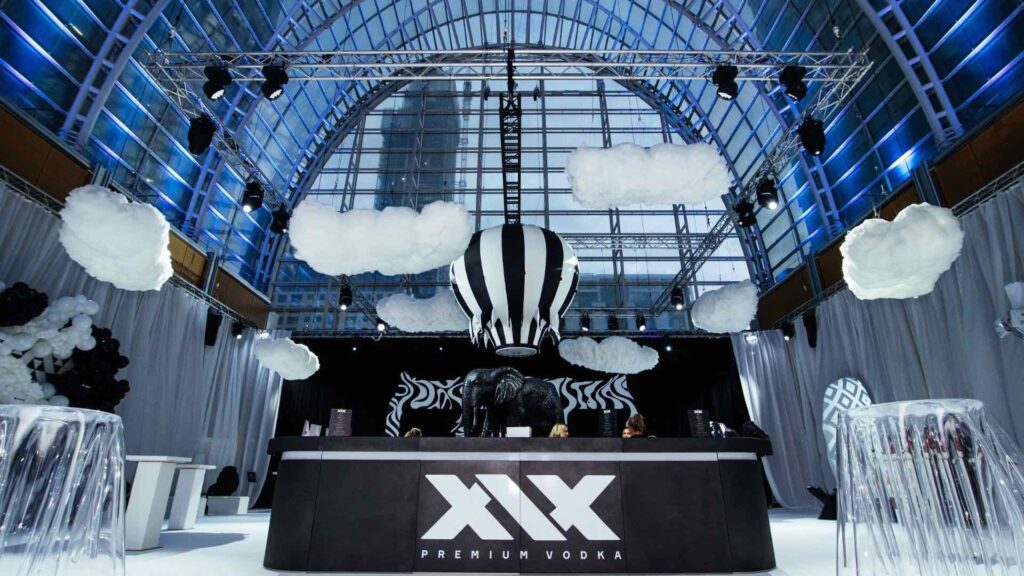
One example of this is the XIX Vodka after-party we did for the Sidemen.
We created an ‘Instagrammable’ event space to encourage attendees to share photos and videos on social media, organically promoting the XIX vodka brand, and incorporating their branding into the event decorations and set designs.
Read all about the XIX Vodka After Party here.
Another example is the brand activation we did for ‘Simple Life’ – we toured their residential sites, bringing a variety of seasonal entertainment for residents to interact with around Easter, Summer and Christmas.
This creates memorable, personal moments for them when interacting with the ‘Simple Life’ brand, associating a friendly, positive experience between residents and the brand.

Read all about the Simple Life event here.
These two events highlight the differences between how to organise private high-profile influencers vs. corporate and public events.
Take a look at our brand activation services.
What Are The Key Objectives of Product Launches and Brand Launch Events?
A common objective of these brand launch events is to generate awareness of your brand / product in media and social media to boost early sales and overall awareness.
Key Objectives of Product Launches
Generally, product launches aim to drive initial awareness, generate media coverage and boost early sales of a new product.
For example, a car brand that has just released a new model or a smartphone company releasing a new device.
The key objectives for product launch events are to:
- Drive immediate awareness
- Generate media mentions
- Increase early sales
- Encourage product trials
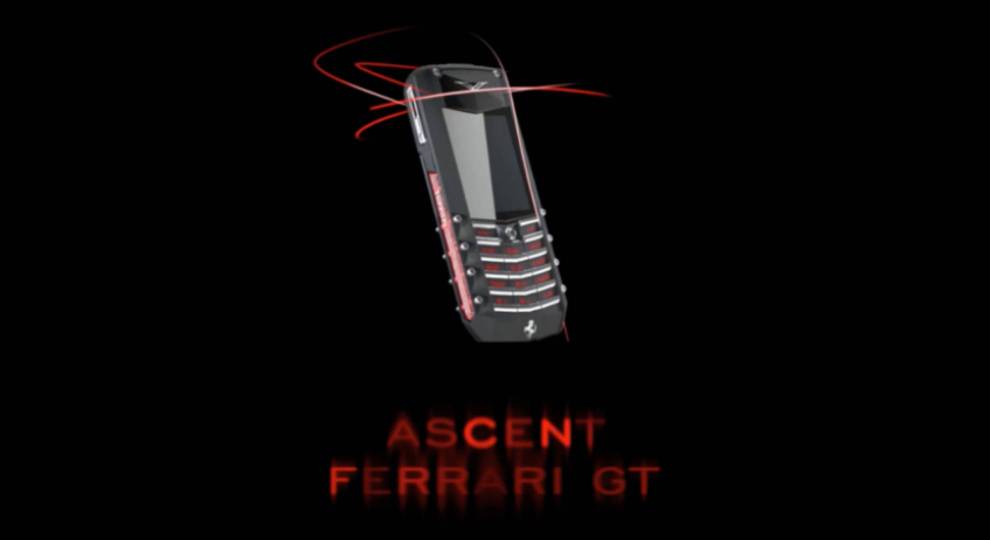
Product launches should communicate the value of your product to ultimately sell your new product and raise awareness – for example, creating hype around a release date for your new product.
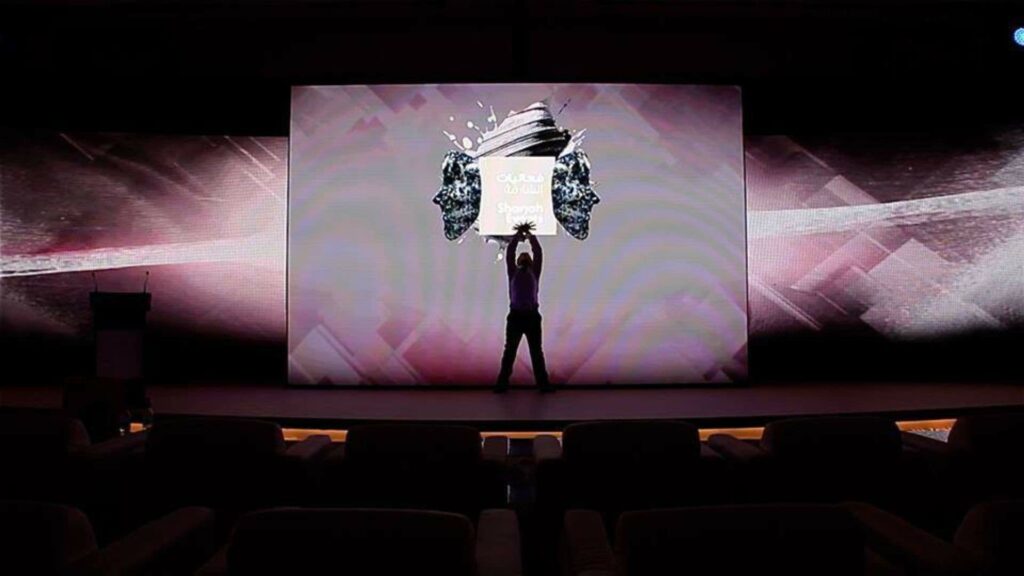
These events will also feature fun and engaging activities and experiences to engage the audience, creating more of a spectacle. A modern and exciting way of doing this is through the use of holographics.
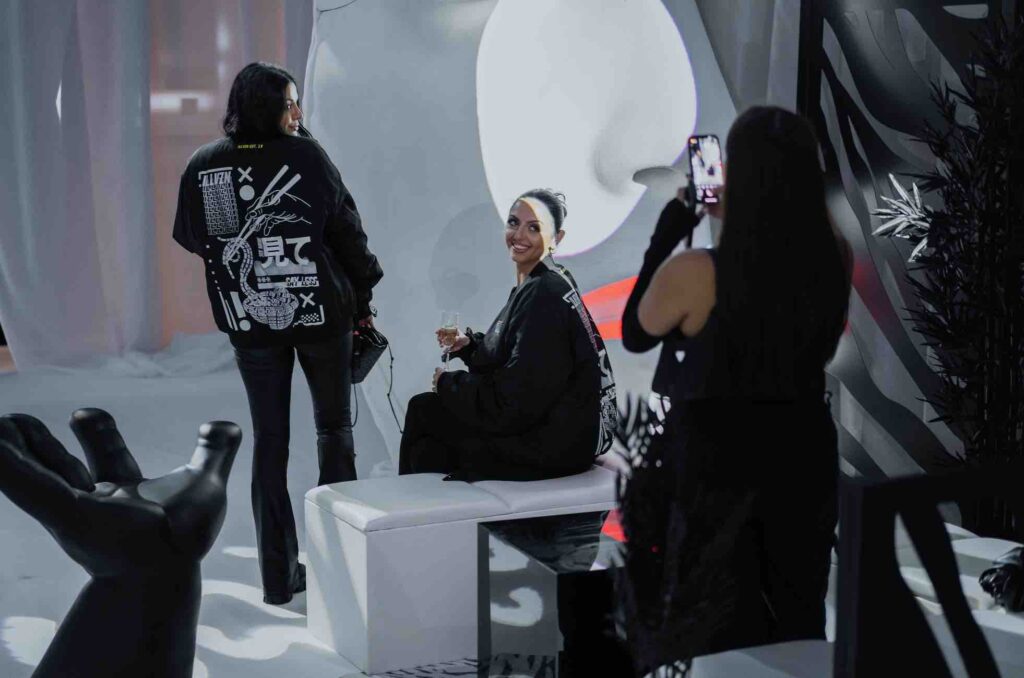
A product launch marks the market entry of your product to introduce it and make new and existing customers aware of it. Discover ideas for your product launch here.
Key Objectives of Brand Activations
The typical objectives of a brand activation are very similar, but instead of focusing on a specific product, it’s more about the brand as a whole.
The key objectives for brand launch events are to:
- Build long-term brand loyalty
- Increase engagement
- Improve brand sentiment
- Strengthen emotional connections
Brand activations are about creating a lasting impression on customers to foster brand loyalty.
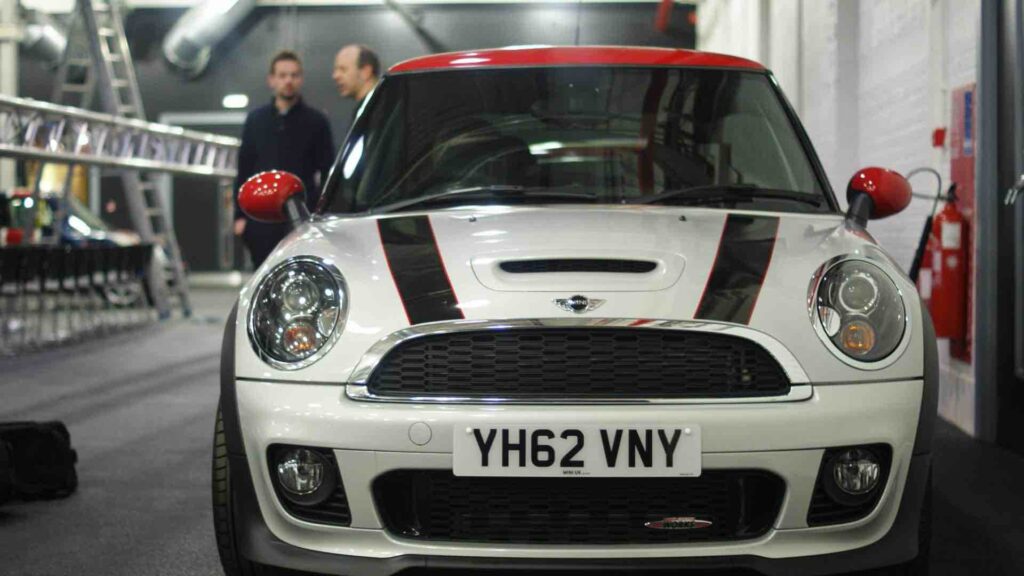
These events allow brands to engage directly with their customers with the aim of creating positive experiences with the brand, to achieve the above.
Brand activations should also captivate audiences with innovative and fresh reveal entertainment that speaks volumes about your company’s personality.
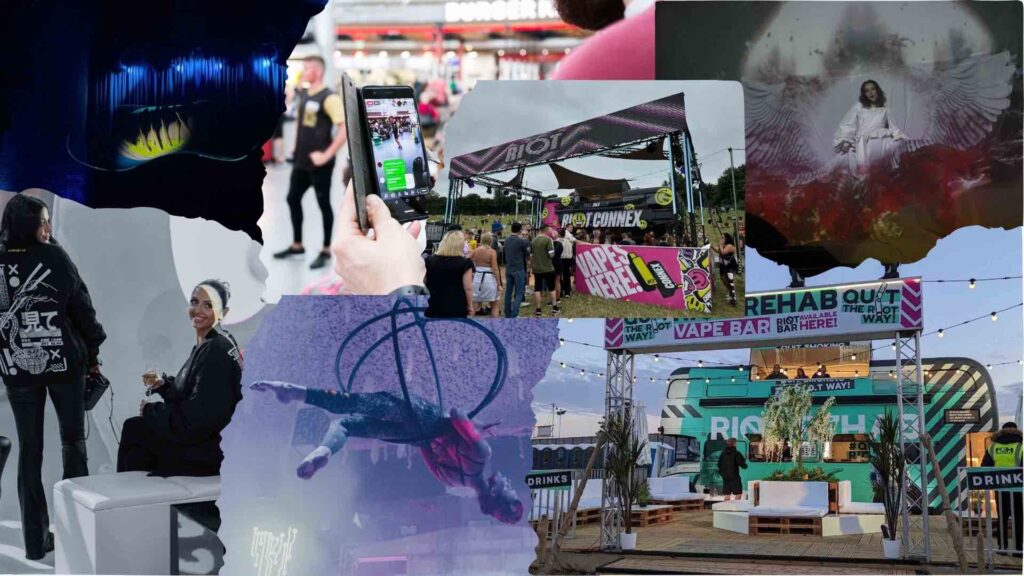
For example, when we created a brand activation or riot squad, we refitted a traditional London bus into a branded ‘riot rehab’ bus where people could enjoy a unique bar, giving them a unique experience at the festivals we attended.
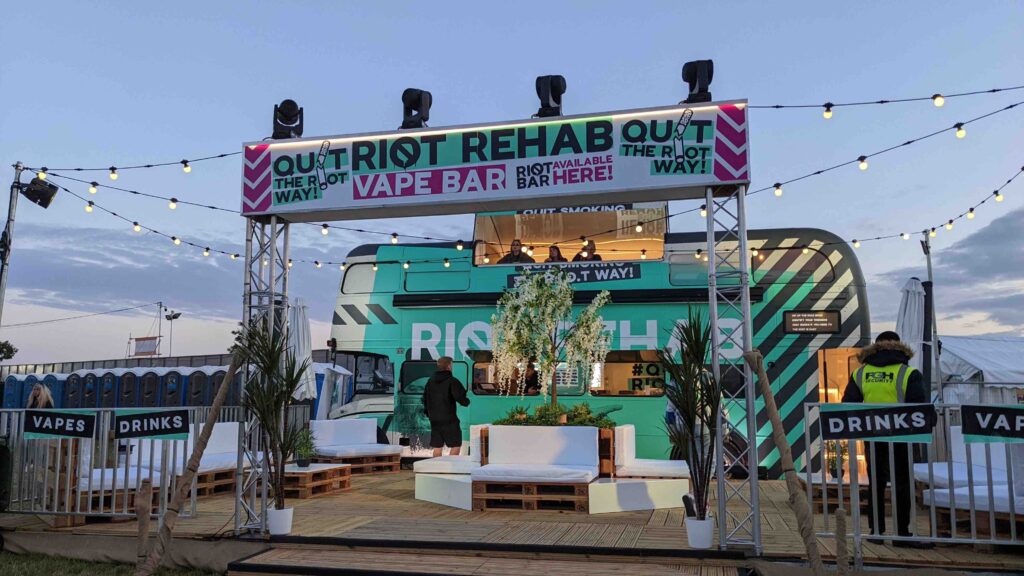
This served as a subtle way of engaging people with your brand.
More on the riot rehab bus here.
How Do You Engage Audiences with Brand Launch Events?
Product launches and brand activations are slightly different in the ways they engage audiences.
Product Launch Audience Engagement
Product launches have a structured, informative approach to audience engagement, focusing on delivering key messages about the product through presentations, demonstrations and Q&A sessions.
Here’s how they typically engage attendees:
- Structured and informative approach
- Deliver key product messages through presentations
- Showcase product benefits via demonstrations
- Include Q&A sessions for direct interaction
- Create buzz and drive early sales
This format ensures attendees understand the product clearly while generating excitement and encouraging adoption.
Brand Activation Audience Engagement
Brand activations take a more immersive, hands-on approach, allowing attendees to interact directly with the brand through activities and experiences.
Here’s how brand activations typically engage audiences:
- Hands-on, interactive experiences
- Organic engagement where attendees explore the brand in their own way
- Create memorable, positive interactions with the brand
- Attract both existing fans and new customers
- Incorporate entertainment to enhance engagement
This approach ensures attendees have a lasting, memorable experience that strengthens their connection to the brand.
Entertainment also plays a huge role in engaging audiences – take a look at the video below to see some unique entertainment to bring to your next brand activation:
Event Elements
The elements that make up product launches and brand launch events are also different.
Product Launch Event Elements
Product launches usually include:
- Keynote speeches by stakeholders or experts
- Live product demonstrations
- Press engagement and media coverage
- Professionally prepared press kits
- Visual spectacle moments to create buzz
- Exclusive interviews for media and influencers
These presentations / speeches introduce the product and set the tone for the event, providing attendees with all they need to know about the product – USPs, more about the development, its aim and more.
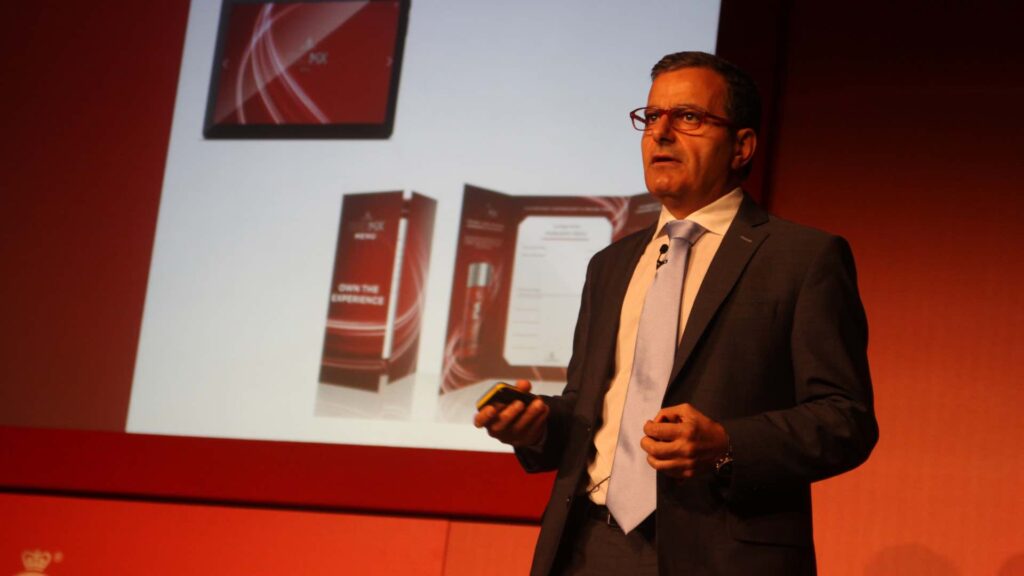
These sections often feature Q&A sessions for attendees to ask questions directly to the product’s creators or brand representatives, creating a more personable experience.
Product demonstrations are a key part of any product launch – they give you a unique opportunity to show attendees your product in action – highlighting your product and giving them a real feel for it.
Press kits include key information about the product to hand out to influencers/anyone involved in the media to give them everything they need to know to promote the product effectively on social media, articles and any other place it may be promoted.
This can be provided in traditional printout formats or digitally.

As mentioned previously, product launches need to generate a buzz around your new product. As such, securing media coverage is a key element!
Invite key media representatives to your product launch to do live streams, social posts and stories to increase your product awareness to a broader audience beyond those physically present at the event.
You can make this content more interesting and engaging by providing exclusive interviews and creating visual ‘spectacles’ at the event that look great on social posts, blogs and more.
We incorporated this in the Sidemen XIX Vodka launch where we created a truly unique and visually striking event space along with entertainment that created real unique moments people want to capture:
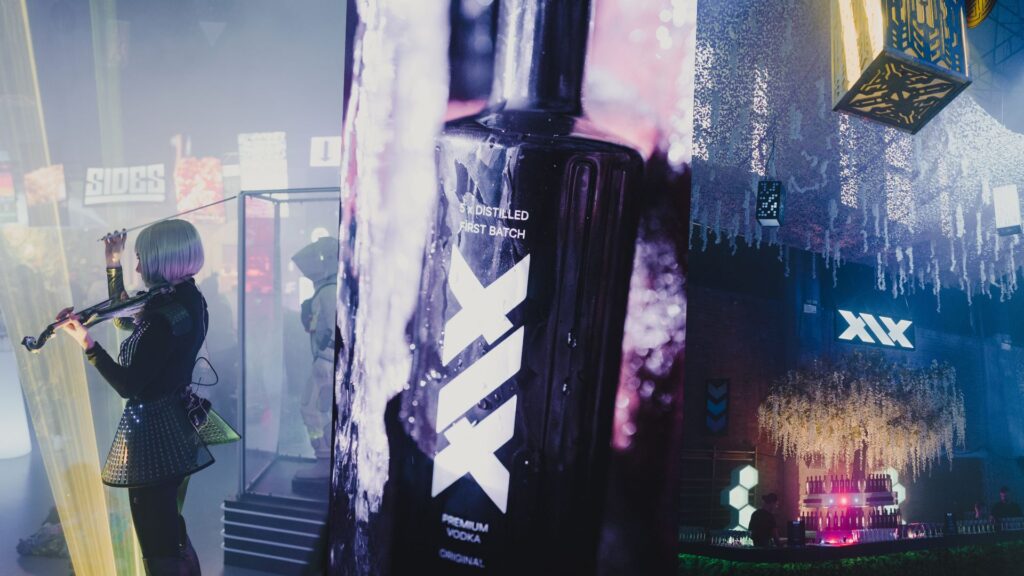
Read more about the XIX Vodka launch party.
Brand Activation Event Elements
On the other hand, brand launch events focus on:
- Experiential, immersive environments
- Branded photo zones for social sharing
- Interactive activities for hands-on engagement
- Social media integration to amplify reach
- Touring or pop-up installations to reach wider audiences
For example, at the Sidemen XIX party, we created unique photo zones for influencers to take photos in, promoting the brand in an organic way.

More about the Sidemen XIX After Party.
How Can You Measure Success At Brand Launch Events?
As discussed, the aims of product launches and brand activations are different. As a result, the same goes for how their success is measured.
However, there is still some overlap.
Product Launches: Measuring Success
For product launches, success is typically measured by tangible business outcomes and media reach. Key indicators include:
Influencer reach: Measuring how far your event content spreads via influential voices.
Sales spikes and pre-orders: To see if the launch is driving immediate purchase behaviour.
Media mentions and coverage: To assess how widely your product is being discussed in press and online.
Product reviews: Both from attendees and early users, providing insight into perception and reception.
Brand Activations: Measuring Success
For brand activations, the focus is more on audience engagement and long-term brand perception. Metrics include:
- Social engagement rates: Tracking likes, shares, and comments to gauge interest.
- Hashtag usage and online mentions: To see how attendees and online communities are amplifying the event.
- Brand sentiment analysis: Assessing positive or negative reactions before, during, and after the event.
- Survey feedback from attendees: Gathering direct insights on their experience.
- Customer loyalty indicators: Such as repeat interactions, sign-ups, or continued engagement.
By combining these metrics, you gain a clear picture of how well your brand launch event performed, whether in driving immediate sales or building lasting connections with your audience.

Similarities in Product Launches and Brand Activations
Even though product launches focus on specific products and brand activations focus on broader brand experiences, both types of events aim to create impact and leave a lasting impression.

This means that they share several key similarities that make both essential in brand launch events:
- Both aim to increase brand awareness and visibility in the market
- Both compete for attention in saturated markets, requiring creativity and impact
- Both focus on creating memorable experiences for attendees
- Both can be delivered in live, hybrid, or virtual formats to reach wider audiences
- Both place audience engagement at the centre of the event design
- Both have the potential to drive sales and generate measurable business results
These shared characteristics show that, despite their differences, product launches and brand launch events are complementary tools in any comprehensive brand launch strategy.

FAQ
Brand launch events are strategic marketing experiences designed to introduce a product or elevate a brand’s market presence through live, hybrid or virtual engagement.
Product launches focus on showcasing a specific item and driving sales, while broader brand activations may include activations that build long-term brand loyalty and perception.
Yes, brand launch events can be tailored to automotive, tech, FMCG, lifestyle and corporate sectors depending on objectives and audience.
Book Us For Your Product Launches and Brand Activations
Whether you are planning a product launch or a full-scale brand activation, our team can help make your brand launch event impactful and memorable.
We’ve organised both event types for a range of clients with different products and brand identities from automotive companies to vape companies and everything in between.
With our extensive experience in both areas, we understand what it takes to create an event that not only meets your objectives but also leaves a lasting impression on your audience.
Get in contact with a member of the events team today to find out more.
Related Services:
Related Blogs:
- Creative Event Space Ideas to Host a Brand Activation
- Innovative Product Launch Event Ideas
- 5 Cool Brand Activation Ideas
- Experiential Brand Activation Ideas
- Brand Reveal Entertainment Ideas
View All Brand Activation and Product Launch Blogs
Get In Touch With Us Today.
With nearly 20 years of Event Management insight, working with world-renowned Clients we'll help you create your Dream Event.
Get in Touch