The Data Behind Successful Corporate Events: What Actually Drives Engagement?

In a data-enabled world, corporations are investing significant funds in events to establish connections, trade integrity, empower employee participation, and achieve concrete business results.
Research mentions that from 2024 to 2035, with a CAGR of 6.8%, the events industry market can make earnings of $2.5 trillion by 2035.
While estimates are increasing and sophisticated technologies are evolving, one crucial question persists: What actually inspires attendee engagement? The answer is the data.
Event organisers now concentrate more on event engagement measures, such as participation rates, session connections, networking operations, social media communications, and real-time responses to comprehend attendee performance for successful and dynamic corporate events.
Technology is rebuilding the event industry, upgrading strategies, marketing plans, and attendee participation.
Data-driven techniques empower corporations to track event engagement indicators to adapt attendee experiences and continuously improve successful corporate events. Technology is reshaping the event industry, revolutionising planning, marketing, execution, and attendee engagement. [1]
Therefore, this blog analyses the data behind top business events, navigating the crucial engagement metrics and emerging trends so that organisations can become aware of what really drives audience engagement and long-lasting event success.
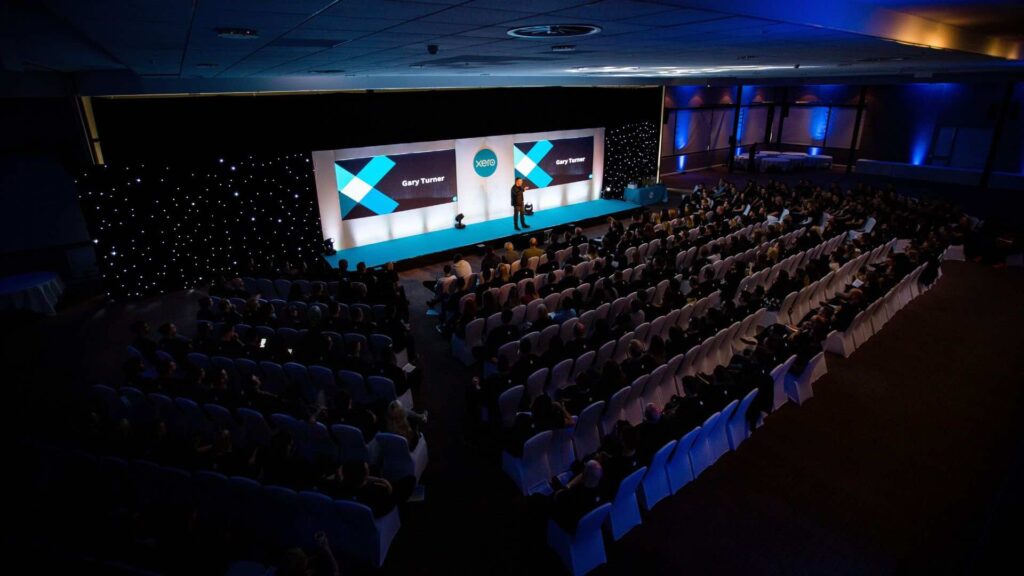
Table of contents
What Is Event Engagement?
Event engagement relates to any collaboration, discussion, involvement, or contact of an audience with your brand.
Talking about the brand, taking pictures with brand imagery, interactions with social media, Q&A sessions, networking, gamification, and live polls are all part of event engagement. In short, event engagement is the ability of the host to captivate the attendee and hold their attention.
Why Is An Engagement Event Essential?
- In today’s data-driven era, acquiring a strong knowledge of engagement is crucial to building and promoting your brand
- To navigate, take part, and engage effectively, attendees seek more opportunities than traditional engagement strategies provide
- Loyalty and long-term participation come from engaged attendees who feel more connected to an organisation’s mission and values
- Interactive ways are better than passive attendance alone for attendees to preserve and adapt data
- Meaningful communication generates important conversations, extends cooperation, and creates a feeling of community among attendees
- Reviews, social media participation, and shared content play a vital role in extending engagement to ensure and boost the success of future events
Why Is Data Analysis Crucial For Event Engagement?
- Event data gives information related to attendee preferences, business insights, and requirements
- Arrangers can use event data to boost engagement and satisfaction through each attendee’s preferences and behaviours
- Planners can apply past event data to increase audience and create promotional activities
- Data analysis can identify the right parts of the event, generating the best return on investment
Technology adoption pre/during/post events enables event organisers to engage in cost-effective and flexible interactions, which play a crucial role in enhancing customer relationships, improving service delivery processes and quality, and ultimately driving better business outcomes [2]
Key Performance Indicators (KPIs) For Successful Event Management
Choose the right KPIs to make your events more effective. The following metrics are the most essential KPIs to create successful events, providing attendee contentment, financial outcomes, efficiency, and more.
Interaction Rate
This indicator reflects the level of attendee participation. App usage, session participation, social media mentions, and interactions at event booths are a few examples of these metrics.
Audience Satisfaction Score
On a scale of 1 to 5, this post-event rating measures the attendees’ overall event experience. Since this score reveals the degree of contentment, it has an immediate effect on attendees’ loyalty and the performance of the events.
Net Promoter Score (NPS)
You can get information from NPS about attendees’ loyalty and their suggestions about your events to others. The audience can score on a scale of 0 to 10 on how much they are going to approve of the event or not. It tells you how much the audience is satisfied with your event technology. Higher scores show higher loyalty.
Event App Features
- It tracks engagement within your event app – clicks, logins, time spent, and feature interaction.
- It shows the influence of event technology on event management.
- Apply the in-app dashboard to track attendees’ participation measures
Attendees’ engagement can lead to significant outcomes for key stakeholders after events. First, engagement facilitated by various event technologies can create personalised and memorable experiences. [3]
Social Media Interaction
You can get ideas about the hype and level of participation of attendees online throughout the event by likes, shares, and comments on social media. Leverage hashtags and social media insights.
Website Traffic
This metric monitors visits to your event website, speaker biographies, session detail pages, and call to action (CTAs). It provides information about attendee behaviour and it identifies the most popular content. Use Google Analytics, event management software, or embedded tracking tools.
Registrations, CTAs, and Upsells
These metrics monitor conversions from attendee engagements, such as new sign-ups, purchases, CTA responses, and upsell transactions. They show clear business impact, especially for customer spending, ticket sales, and marketing activities. Throughout and after the event, customer relationship management (CRM) systems can monitor conversion data by tracking actions.
Attendee Spend
By estimating revenue per attendee, this KPI provides insight into an event’s profitability. By monitoring revenue per attendee, project managers can analyse an event’s financial results and identify ways, such as premium ticketing options or other findings, to increase revenue.
Budgetary Control
To manage money efficiently, following a budget is crucial. Budget adherence is a measure of a project’s ability to operate within its allocated financial resources. To enhance the precision of budget planning for future events, this KPI allows project managers to recognise the extent to which expenses might have been overspent or underestimated.
Lead Generation and Conversion
Tracking the number of leads generated and their conversion rates into clients is vital in data-driven events. By explaining the event’s direct effect on business growth and return on investment (ROI), this KPI presents essential information for stakeholders.
Emerging Event Engagement Trends 2026
Event managers and marketing executives are now expected to provide more than just memorable experiences, from corporate festivals to brand launches.
A significant majority of professionals apply event management software, while half of them use AI, and more than one-third of them use mobile apps to improve attendee engagement. (Cvent, 2025).
Here are eight key trends in corporate events that will shape the future of corporate event management in 2026: how can you design events that genuinely resonate and drive success?
AI-enabled Customisation
You can apply AI-enabled personalisation to improve the attendee experience through matchmaking, content curation, and attendee data insights. Key features include:
- Customised content and agendas based on attendee information
- Behaviour-driven interactions before and after the event
- AI-enabled chatbots.
- AI-generated session recommendations.
AR and VR
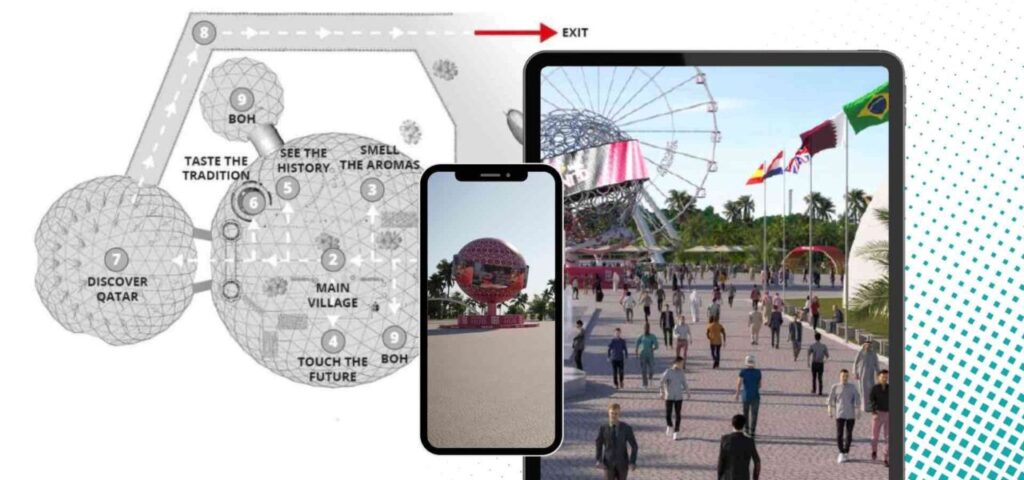
- Virtual Reality (VR) and Augmented Reality (AR) assist attendees in creating interactive meetings through dynamic content.
- The cost of VR and AR has been reduced for more attendee engagement in events.
- For this reason, event organisers are widely choosing immersive technologies to improve attendee engagement and upgrade the overall event experience.
Statista explains that from 2026 to 2039, with a CAGR of 10.50%, the immersive technologies market can make earnings of US$75.9bn by 2030.

Touchless Systems
- You can apply touchless technology for enhanced efficiency, security, and attendee experience within your events.
- Facial recognition technology is used for attendance tracking and enhances security.
- It can track the movements of the attendees efficiently.
- Radio Frequency Identification (RFID) technology is another touchless technology which is widely popular in event management.
- To track security access and collect attendee admission data, RFID-enabled wristbands and badges can be used.
- This technology helps assess the success of events and offers economic data collection.
Event Networking Apps
Mobile event apps enable audiences to quickly access schedules and real-time information. Virtual maps, conversations, and interactive surveys in these apps can improve attendee involvement. For a more connected and interactive event experience, mobile event apps facilitate communication between attendees, speakers, and event organisers.
Community Engagement
- Arrange interactive activities, such as speed networking or themed discussion groups.
- To create connections among users, use apps for common purposes and outcomes.
- Arrange get-togethers, such as happy hours or social events, to sustain a bond in a relaxing atmosphere.

Event Registration Platforms
Cloud-based event management software improves information tracking and management by integrating attendee data and streamlining time-consuming tasks. Integrating registration software with payment gateways streamlines the financial aspects of event management. By ensuring compliance with data protection rules, these tools improve the security of attendees’ data.
Research mentions that while the event software business in 2025 was $11.52 billion, it is expected to make earnings of $36.42bn by 2035 with a CAGR of 12.2%.
Eco-friendly Events
The importance of sustainability in event planning is growing, especially in the UK, where policy frameworks, such as the COP30 Action Agenda, play a crucial role in business areas. The objective of sustainable event planning is to reduce waste and save energy.
Gamification Practices
- By integrating game design, you can create an entertaining, engaging, and interactive event.
- According to a study, 63% of marketers report higher conversions, and 71% of marketers believe gamification enhances customer engagement. (Source: Michael Wu, Lithium Technologies).
- Gamification strategies in events can boost sales, strengthen client relationships, and motivate attendee participation
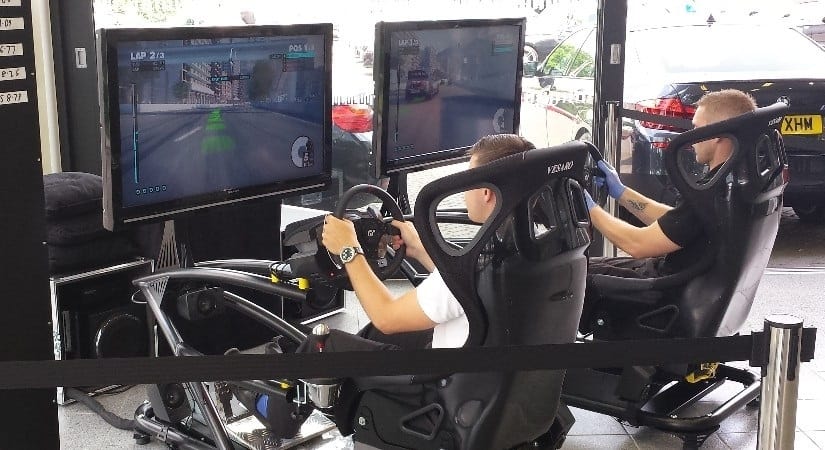
- Using AR components in event gamification can boost sales, enhance involvement, and provide innovative personalisation.
According to research, gamification strategies such as leaderboards, badges, and interactive tasks can enhance participation, encouragement, and contentment of attendees.

How Can Julia Charles Event Management Help You Create Events That Are More Engaging?
To engage involvement, enhance lead creation, and increase after-event updates, Julia Charles Event Management offers the tools to build immersive, data-enabled events. We bring all engagement strategies together on one platform, such as:
- Survey attending sessions, app engagement, social interaction, and sponsor relationships in real time.
- Apply integrated gamification and survey tools to increase engagement.
- Then analyse the extensive findings to know the strengths and weaknesses of the engagement.
If you are willing to convert your subsequent business events into a strong, impactful, and deeply involved corporate opportunity, get in touch with our team.

Related Services
Related Blogs:
- AI in Events | How can Event Managers use AI to their advantage?
- Augmented Reality Events: Interactive Technology Transforming Live Experiences
- Tech-Forward Event Spaces: The Future of Immersive Events
External Links:
[1] Ryan, W.G. Fenton, A. Ahmed, W., and Scarf, P. (2020). Recognizing events 4.0: the digital maturity of events. International Journal of Event and Festival Management, Vol. 11 No.1, pp. 47-68. DOI:https://www.emerald.com/ijefm/article-abstract/11/1/47/118463/Recognizing-events-4-0-the-digital-maturity-of?redirectedFrom=fulltext
[2] Hudson, S., Roth, M.S., Madden, T.J., and Hudson, R. (2015), “The effects of social media on emotions, brand relationship quality, and word of mouth”, Tourism Management, Vol. 47, pp. 68-76. DOI: https://doi.org/10.1016/j.tourman.2014.09.001
3] Neuhofer, B.Magnus, B.and Celuch, K (2021), “The impact of artificial intelligence on event experiences: a scenario technique approach”, Electronic Markets, Vol. 31 No. 3, pp. 601-617, DOI: https://doi.org/10.1007/s12525-020-00433-4
Get In Touch With Us Today.
With nearly 20 years of Event Management insight, working with world-renowned Clients we'll help you create your Dream Event.
Get in Touch