Augmented Reality Events: Interactive Technology Transforming Live Experiences
Estimated reading time: 8 minutes
Interactive event technology is reshaping modern augmented reality events, helping companies create immersive, high-impact experiences that stand out in competitive environments.
From virtual reality and augmented reality to holographic and interactive installations, digital tools increase engagement, emotional connection and memorability.
When integrated strategically, these technologies transform launches, activations and exhibitions into future-ready brand experiences.
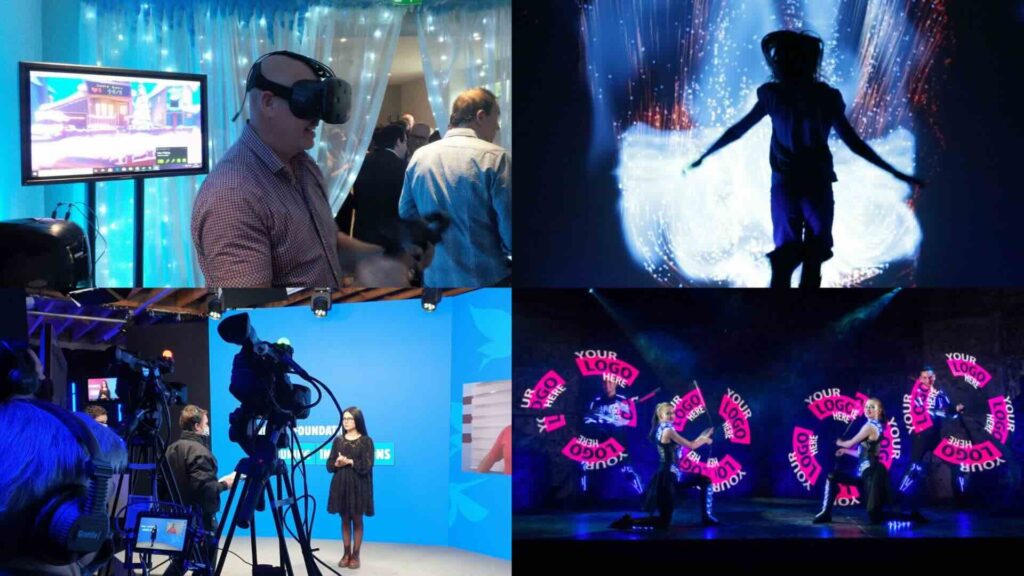
Table of contents
- Why Do Augmented Reality Events Matter?
- How Can Augmented Reality Events Transform Audience Engagement?
- Why Are VR and AR Essential for Experiential Marketing?
- How Does Virtual Reality Support Augmented Reality Events?
- What Interactive Installations Work Best at Augmented Reality Events?
- Engaging Audiences Through Interaction
- Blend Virtual Reality for Events with Live Performance
- The Future: Virtual Worlds & The Metaverse
- How Virtual Worlds and Digital Spaces Are Revolutionising Augmented Reality Events
- FAQ: Augmented Reality Events
- How to Stand Out with Immersive Event Technology
Why Do Augmented Reality Events Matter?
We live in a digital-first world, where it’s essential to elevate your brand with immersive experiences.
Attendees expect more from you than your traditional exhibition stand, they want to explore and interact.
- Virtual reality for events puts guests inside your brand story.
- Augmented reality adds layers of discovery to your products.
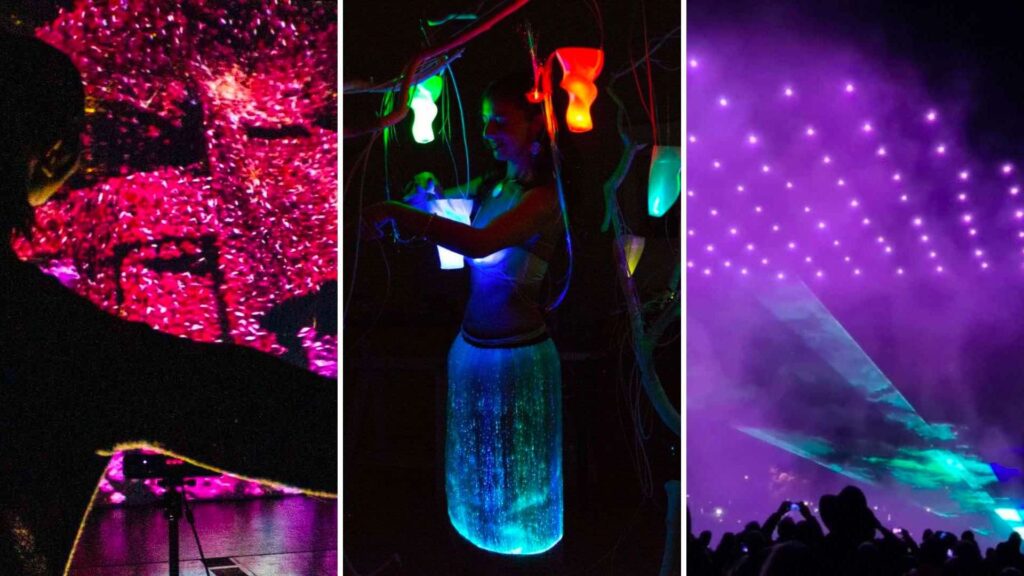
- AR entertainment for events such as holograms and interactive murals creates a live spectacle.
Whether it be through striking visual displays, AR overlays that give guests further information on your products, or VR for a full immersion and exploration, you’re guaranteed to capture far more eyes than ever before.
How Can Augmented Reality Events Transform Audience Engagement?
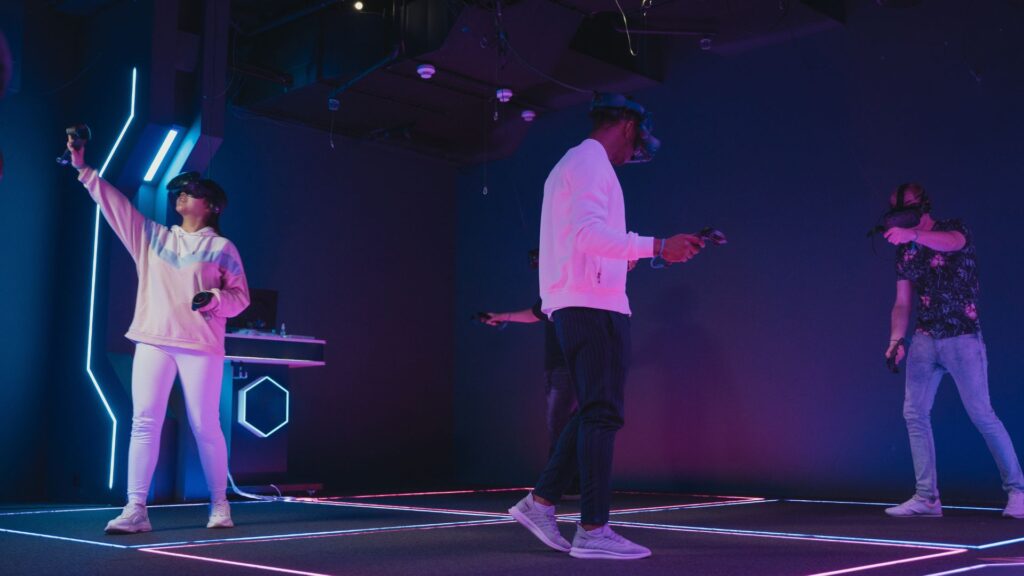
Immersive technology transforms augmented reality events by shifting audiences from passive observers to active participants.
Instead of simply viewing a product, guests can explore it in virtual reality, unlock hidden layers through augmented reality, or interact with responsive digital installations.
This deeper engagement increases dwell time, strengthens emotional connection and improves brand recall.
Why Are VR and AR Essential for Experiential Marketing?
Audience expectations have shifted. Consumers are digital-first, visually driven and expect interactive experiences rather than static displays.
VR and AR meet this demand by delivering deeper engagement:
- Virtual reality immerses audiences inside your brand world, creating emotional connection and focused attention.
- Augmented reality enhances physical spaces with interactive digital layers.
- Both technologies increase dwell time, encourage participation and drive shareable moments.
- They also provide measurable engagement data.
Together, VR and AR make experiential marketing more immersive, impactful and results-focused.
How Does Virtual Reality Support Augmented Reality Events?
Virtual reality allows you to move beyond traditional displays and connect with your consumers directly inside your story. At augmented reality events, this level of immersion creates clarity, emotion and memorability that static formats cannot achieve.
Virtual reality can be used to:
- Showcase product design processes in fully interactive 3D
- Recreate key brand milestones and challenges
- Offer immersive product exploration before physical release
- Build stronger emotional connections through guided storytelling
Why Immersive Storytelling Increases Brand Recall
- Active participation improves memory retention
- Emotional engagement strengthens brand association
- Immersive environments reduce external distractions
- Unique experiences are more likely to be shared and remembered
- Makes for the best interactive digital event ideas
What Interactive Installations Work Best at Augmented Reality Events?
Augmented reality events turn passive viewing into active participation, making experiences more dynamic and memorable, particularly at augmented reality events and activations.
It can include:
- AR-triggered product reveals that unlock hidden features or information
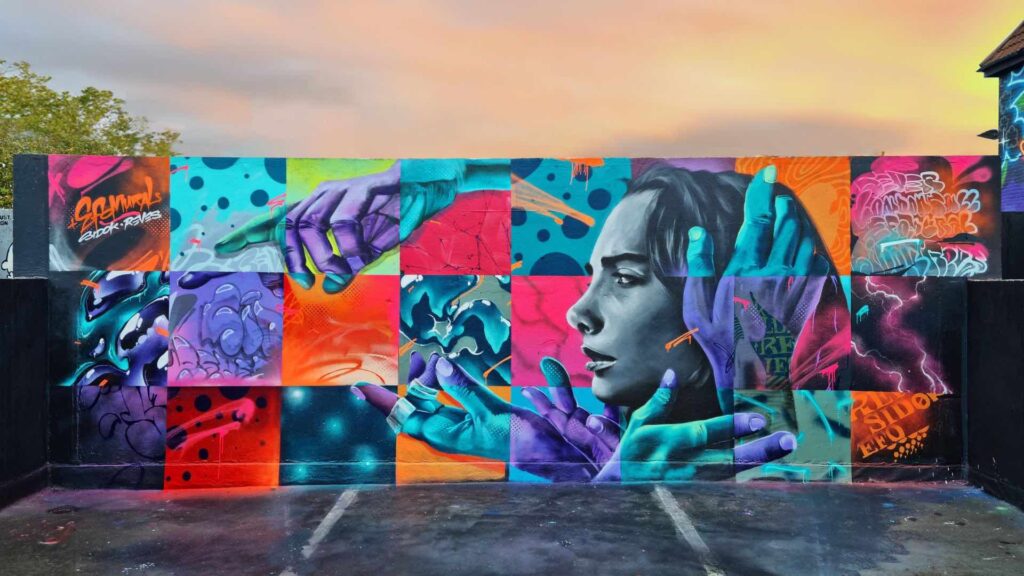
- Interactive walls and murals that respond to guest movement or touch
- Gamified brand experiences that encourage competition and exploration
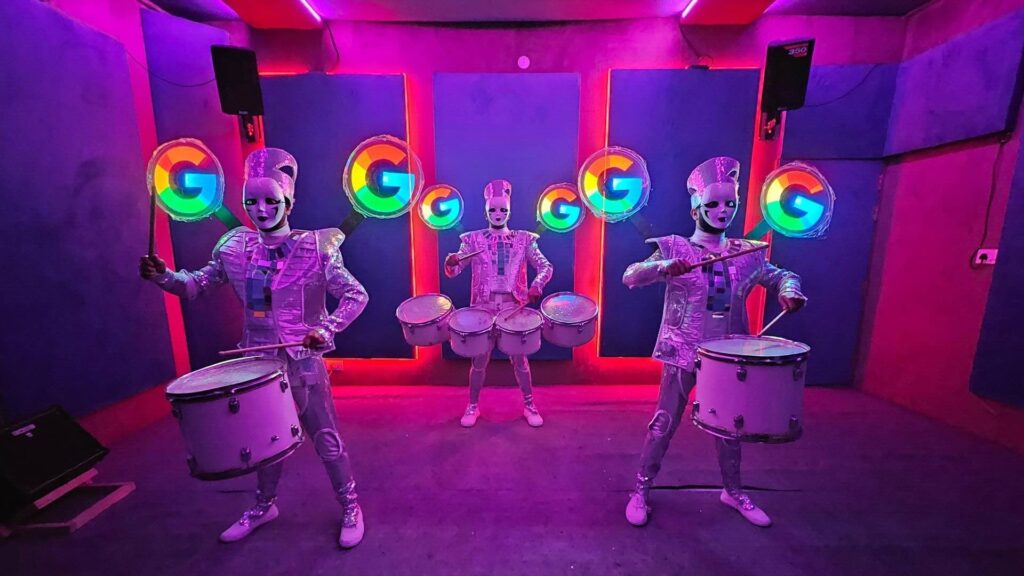
- Logo-led immersive installations that place your identity at the centre of the experience
It’s clear technology has changed the event industry and by encouraging audiences to interact rather than observe, AR increases dwell time, social sharing and overall impact.
Engaging Audiences Through Interaction
Ensure your audience participates with interactive event technology that invites guests to play, discover, and connect.
Ideas to try:
- AR scavenger hunts across your event space.
- VR booths where attendees explore products virtually.
- Wearables that let guests trigger effects on screens or installations.
- Projection mapping synced with interactive AR elements.
- Holograms and holographic technology
Blend Virtual Reality for Events with Live Performance
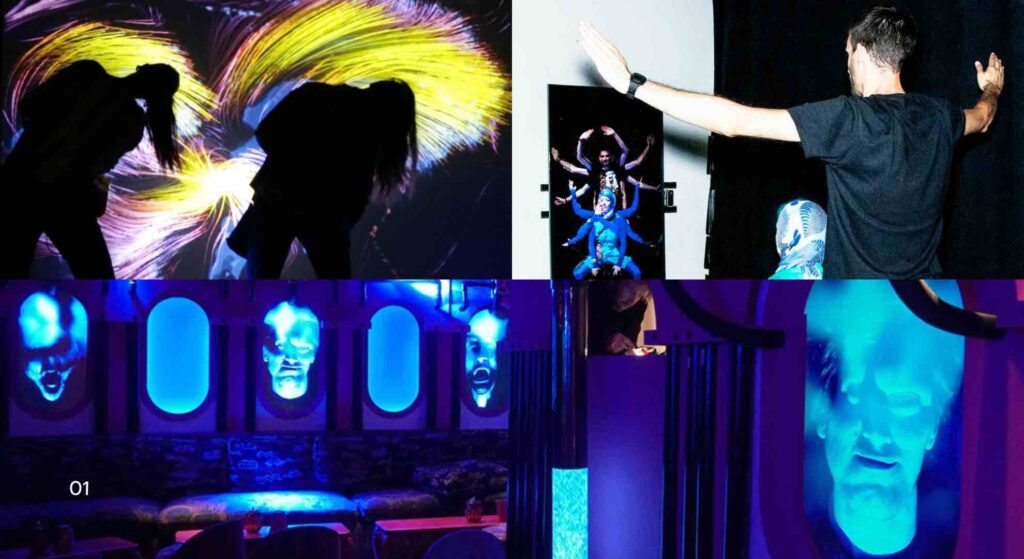
Blending live talent with immersive visuals at augmented reality events creates layered, high-impact experiences that feel both human and futuristic, all while keeping up with the trends.
This can include:
- Performers interacting with responsive digital walls
- Holographic services paired with dancers for striking visual depth
- Mixed-reality stage concepts that merge physical sets with digital environments, such as digital walls and mirrors
- Immersive choreography enhanced by synchronised lighting and projection
Blending physical and digital elevates emotional impact and creates unforgettable moments for your audience and stand-out activation.
The Future: Virtual Worlds & The Metaverse
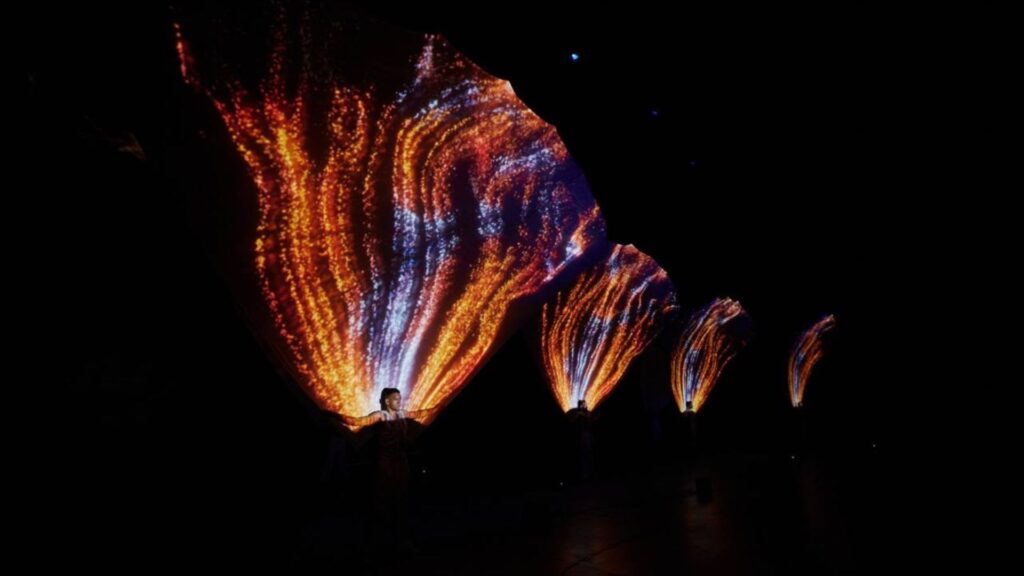
The Metaverse might just be the future for the events industry, giving attendees a new way to experience events.
Set in a virtual world, you can set up anything in your wildest dreams for audiences to experience, whether it be an interactive game, panel, storefront or more.
Think:
- Virtual showrooms where guests explore, try, and buy products.
- Interactive games and panels that exist entirely online.
- Digital pop-up stores available worldwide.
For brands, the Metaverse opens limitless creative possibilities – and positions you as a future-ready innovator.
How Virtual Worlds and Digital Spaces Are Revolutionising Augmented Reality Events
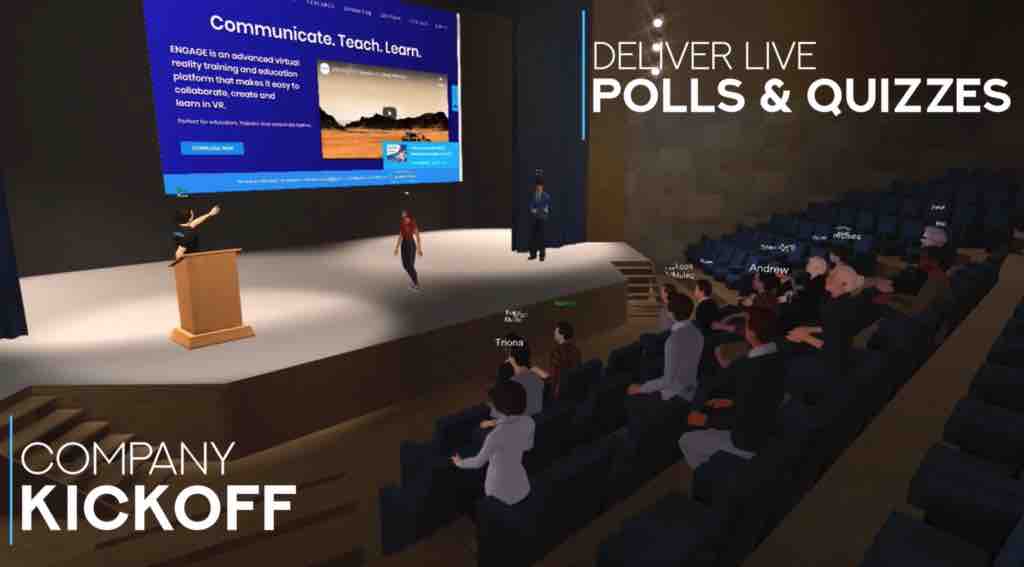
Digital spaces are redefining how brands connect with audiences, expanding reach beyond physical venues and reshaping modern augmented reality events.
Experiential events enable:
- 3D product exploration within fully immersive environments
- Virtual try-on experiences that increase confidence and engagement
- Integrated e-commerce for seamless browsing and purchasing
- Global audience accessibility without geographical barriers
- Interactive live events
For augmented reality events, digital environments remove limitations, extend audience reach and create experiences that feel innovative and future-ready.
Digital-first audiences expect speed, immersion and interaction, and virtual spaces deliver all three.
FAQ: Augmented Reality Events
Augmented reality events are live experiences that layer interactive digital content over physical environments using AR technology. They allow guests to view and engage with 3D visuals, animations or branded effects through mobile devices or screens.
Augmented reality events increase engagement by encouraging active participation rather than passive viewing.
Augmented reality events typically require AR-enabled apps or web platforms, compatible devices such as smartphones or tablets, tracking technology and reliable connectivity. Larger installations may also use LED walls, projection mapping and motion sensors.
How to Stand Out with Immersive Event Technology
Discover how immersive VR, AR entertainment and interactive installations can transform your augmented reality events into powerful, high-impact experiences that stand out in competitive spaces.
As a professional events company, we know exactly how to implement these crucial details into your events.
If you want to discover some of the interactive event technology, then deep dive into our article:
5 Latest Tech and AI Ideas for Elevating Brand Exhibitions
Or get in touch with our team, who can assist you with AR entertainment, Virtual reality and more.

Related Services:
- Bespoke Exhibition Stand Design
- Brand Activations
- Technology Entertainment
- Exhibition Entertainment
- Product Launches
Related Blogs:
Get In Touch With Us Today.
With nearly 20 years of Event Management insight, working with world-renowned Clients we'll help you create your Dream Event.
Get in Touch