10 Unique Elements of Impactful Stage Design for Events
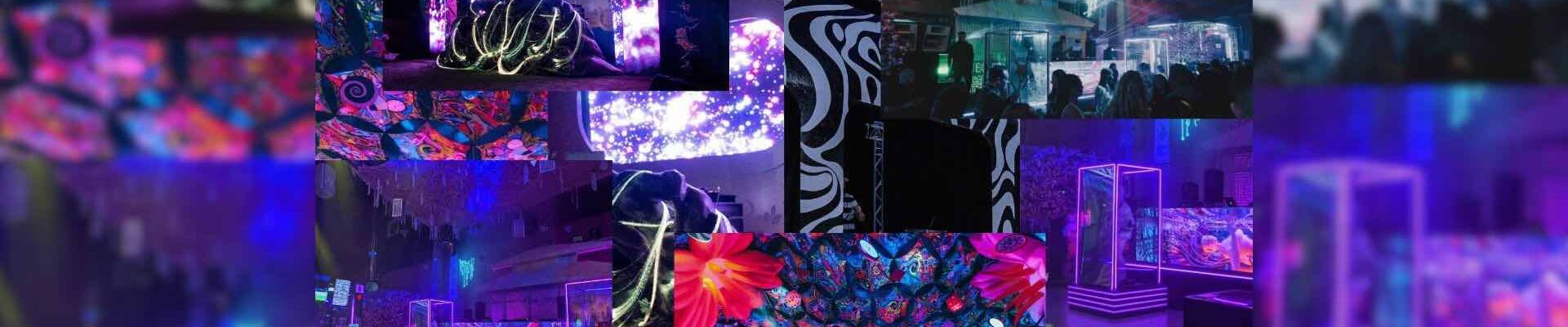
This blog explores ten essential elements required to create impactful stage design for events of all types, from conferences to festivals.
It highlights how strategic planning, creative theming, technology integration and sustainability combine to deliver immersive and memorable experiences.
By mastering these components, event organisers can elevate their stage design to enhance audience engagement and reinforce brand messaging.
Key Points:
- Effective stage design leaves a lasting impression, reinforcing your event theme, brand message and objectives.
- Creating a successful event stage design that is both memorable and impactful requires a blend of creativity, precision and expertise.
- Stage design sets the tone for your event and is often the first visual impression guests experience upon entering the venue.
- The stage frequently acts as the central focal point and main feature of the entire event space.
- A well-executed stage design enhances the overall event experience through immersive visuals, lighting and sound.
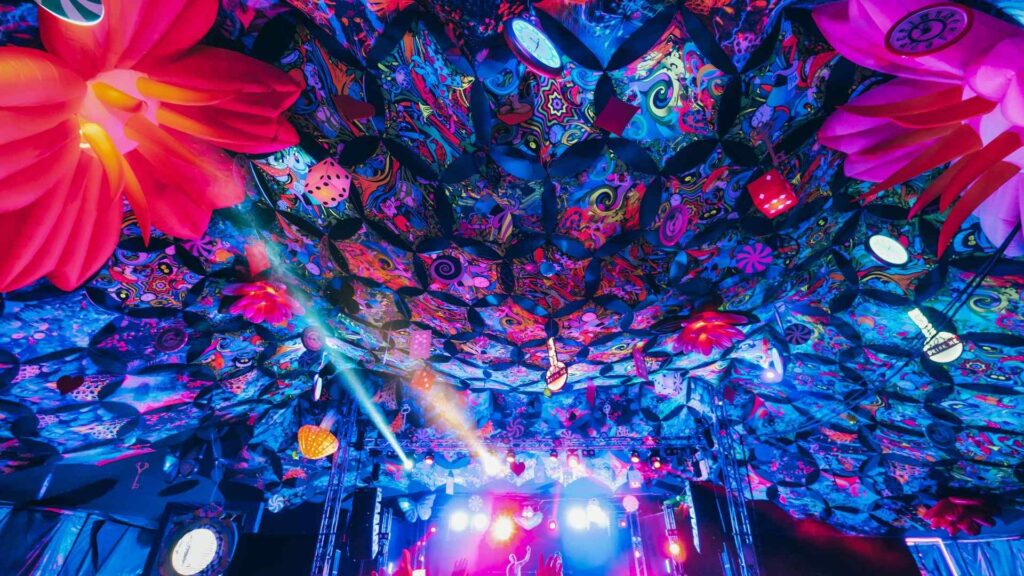
What Is Event Stage Design?
Event stage design is the creation of visually appealing and functional stage setups for events, including the staging, lighting and AV as well as set design, backdrops, decorations and props, with the aim of enhancing your audience’s experience.
Stage design involves a lot of planning and consideration, including the placement, use of space, type (and purpose) of event, the audience’s requirements, the venue/event space characteristics and technical requirements.
A successful event stage design creates a dynamic focal point that captivates and engages your event audience, creating an immersive stage that aligns with the event’s theme and objectives, enhancing their experience and fulfilling its purpose at your event.
A visually stunning (for the right reasons!) and well-executed event stage and set design vastly improves the perceived quality of your event.
Which Elements should You Prioritise When Planning Professional Stage Design?
To define the requirements of your stage design, start by identifying the stage’s primary purpose, the type of event and the needs of your audience.
Consider staging format, audience size and sightlines, as well as technical elements such as lighting, AV and rigging.
Clear planning ensures your stage design is functional, visually aligned with your objectives and capable of delivering maximum impact.
Why is Stage Design Crucial for Event Success?
Elements to stage design success include:
- Defines the visual focal point of the event
- Reinforces event theme and objectives
- Enhances perceived production quality
- Creates immersive audience experiences
- Integrates staging, lighting, AV and set elements
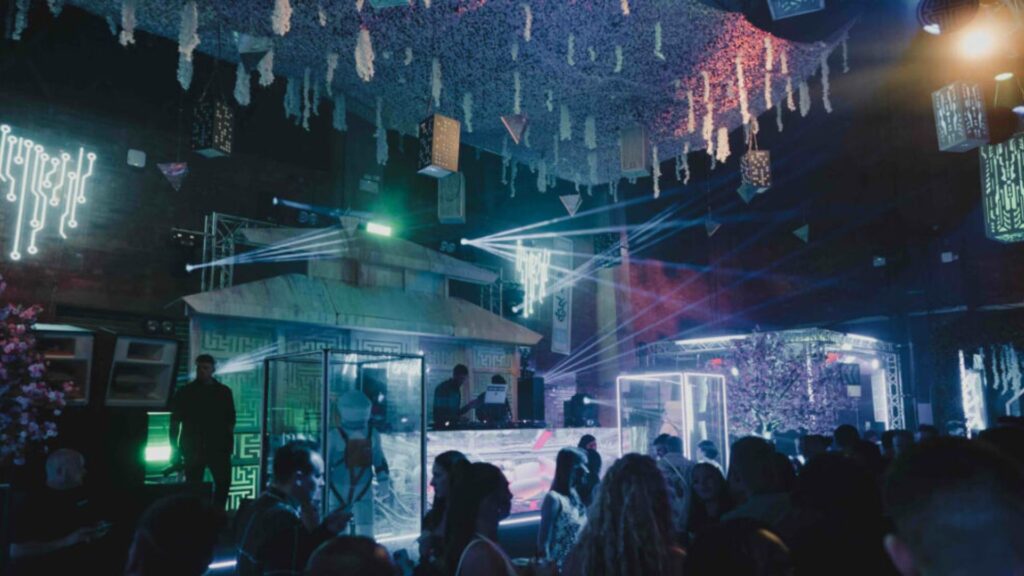
1. How Do You Define the Requirements of Your Stage Design?
The start of any successful event stage begins with defining the requirements – what is the purpose of the stage: is it for a band, dancers, a 3D projection show, a guest speaker/presentation or a blend?
It’s also worth considering the purpose of your event / the event type. The ways in which you design a stage for a conference will be very different to the design of a festival stage, for example.
A conference stage is typically more minimal to not draw attention away from the guest speaker on stage or the presentation aspects – it’s a more informational event type.
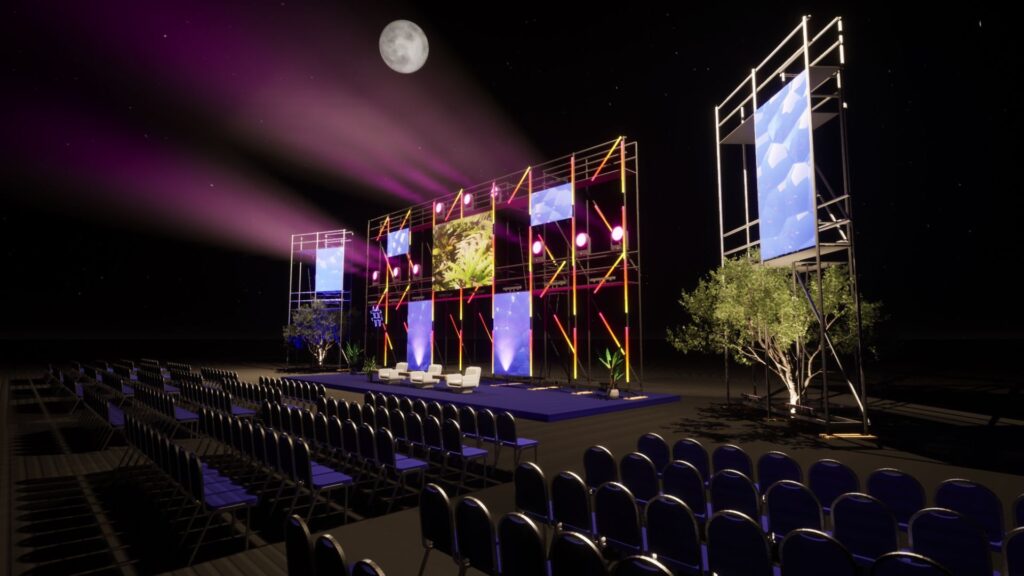
However, for a festival, you can get more extravagant with your stage design to enhance the musical performances, incorporating bright colours, large props, pyrotechnics and more.
You should consider whether you need a multi-level stage, modular staging, or a floor stage as well as the size of your event audience and where they will be placed.
Defining these elements is crucial to the success of your stage design.
Key Stage Design Requirement Checklist:
- Clarify the primary function of the stage design (performance, presentation, hybrid broadcast, immersive show)
- Align the stage design with the event type and objectives
- Determine audience size, layout and sightline considerations
- Decide on staging format (multi-level, modular, runway, central stage)
- Assess technical requirements, including lighting, AV and rigging
- Ensure the stage design supports both in-person and virtual audiences where applicable
Find out more about our set and stage design services.
2. How Can You Position Your Stage Design for Maximum Impact on Entry?
First impressions of your audience are important to the success of your event and the stage is often the first thing guests will see when entering an event space. Stage design should consider:
- Use of archways and structural framing
- Incorporating directional signage
- Adding ceiling canopies or hanging installations
- Positioning the stage as the immediate focal point
- Designing sightlines from entry points
3. How Should Stage Design Prioritise the Audience Experience?
Your stage should be designed with your audience at the heart of it – design it with their needs and preferences in mind, ensuring it’s fit for purpose, accessible for all and flows well.
Implementing a multi-sensory experience is a great way of engaging everyone, providing incredible visuals and immersive soundscapes.
This way, if any of your audience are visually impaired or hard of hearing, they can still fully engage with the experience and get the most out of it.
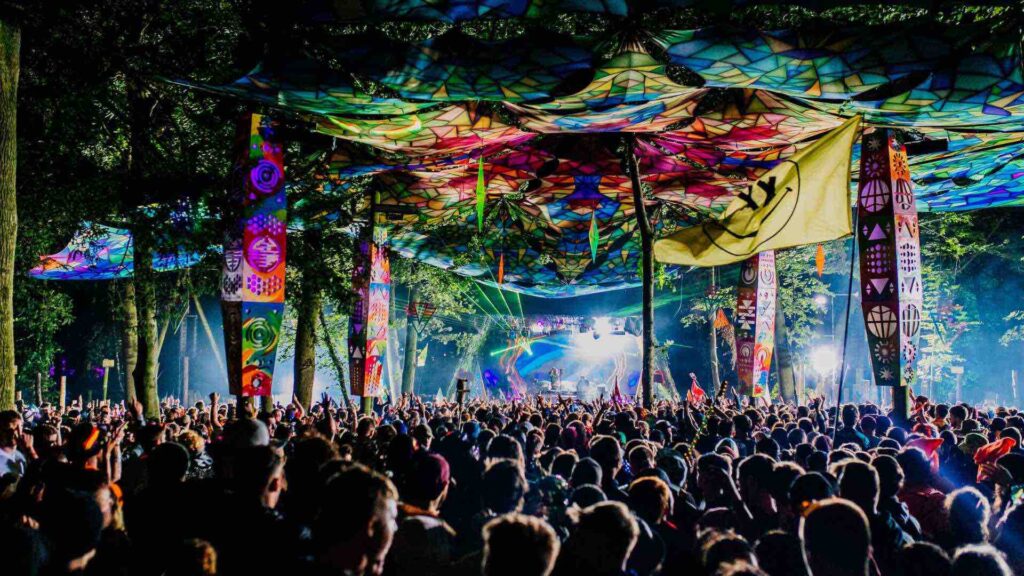
Understanding your audience’s placement and how they will experience the stage is very important, especially for large-scale events like festivals.
The bulk of your audience should have the best audio and visuals to go with the stage, so your stage should face a part of your event space (typically the largest) where your audience will congregate.
Nothing should block or limit their view of the stage to get the most out of the experience. The same goes for the audio too – it should be facing your audience and not be impaired by other sounds/noises in your event space.
Stage design, in summary, should:
- Ensure clear sightlines
- Optimise sound direction and clarity
- Integrate multi-sensory elements
- Plan accessibility considerations
- Design around audience flow and space usage
4. How Do You Choose the Right Theme for Your Stage Design?
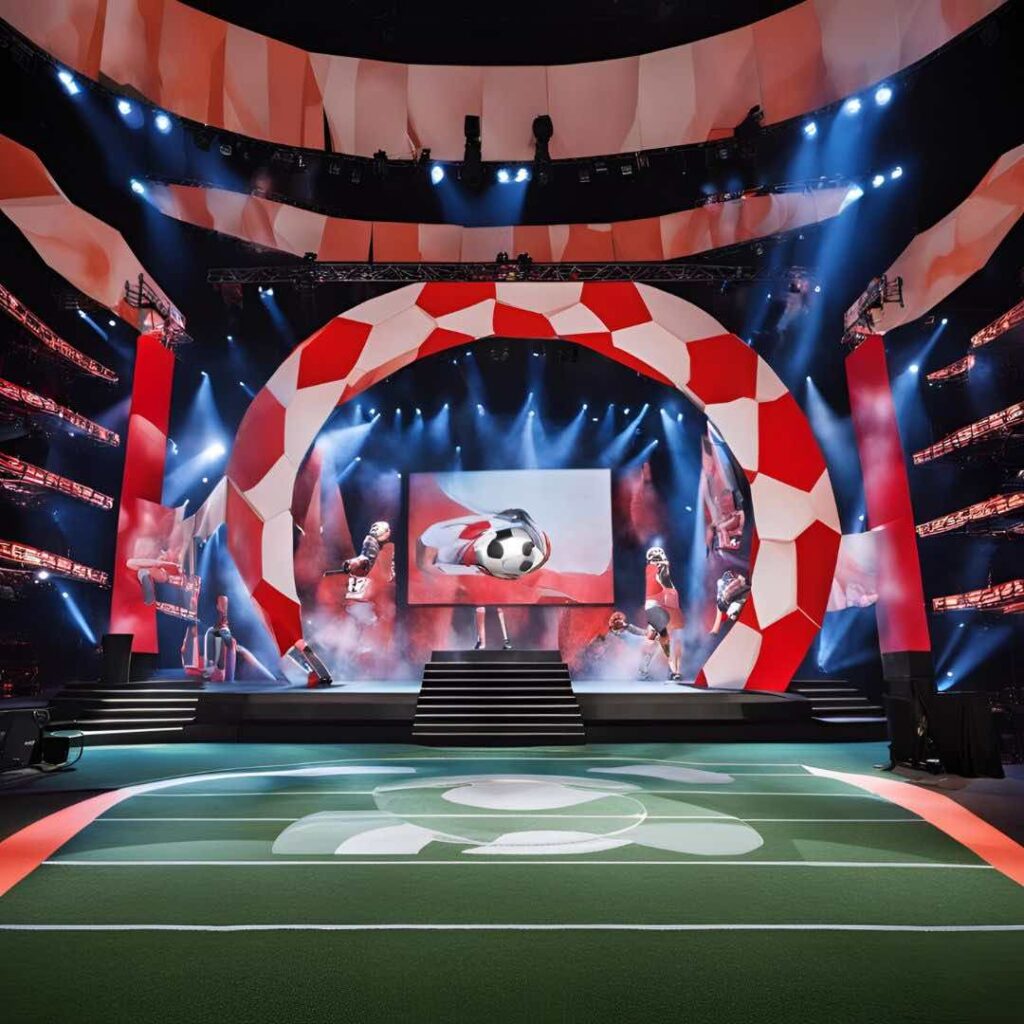
Choosing a theme for your stage is a great way of enhancing your event experience and reinforcing your event message.
It’s important for your theme to align with the purpose of your event; the theme should enhance your event, not hinder it.
You need to choose a theme with your event type in mind.
For example, if you’re designing an event stage for a conference, consider:
- Minimalist styling
- Neutral or monochrome palettes
- Content-first layout
A black and white theme could be a good choice for this event type.
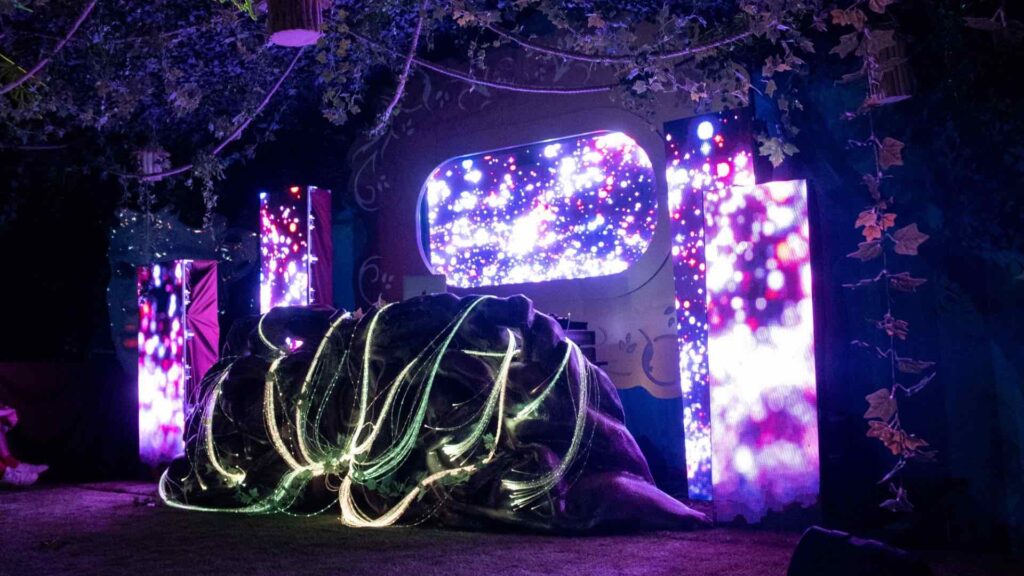
However, a bold theme like our enchanted garden stage would be much more suitable for an event where you want to create a visually striking stage design – a product launch, for example.
For Festivals & Launches, consider:
- Bold colour schemes
- Immersive set builds
- Projection mapping
- Textural backdrops
5. How Can You Make Your Stage Design Stand Out with Bespoke Installations?
Being that your stage is one of the most important aspects of your event, you shouldn’t be afraid to make it stand out!
One way of doing this is by adding bespoke installations that surround stages or are built into your set and stage design.
This not only enhances your stage design, but can also be made unique to you and your brand.
These installations range from large props and set-ups for festival stages to smaller, intricate designs for intimate events.
Bespoke installations transform an ordinary stage into an extraordinary one.
Imagine incorporating something like this into the backdrop of your stage design at a festival:
When your audience goes to take photos of your stage on their phone whilst they’re at the event, they’ll realise the backdrop is actually AR and moves when they point their phone at the backdrop – this would be a great way of generating social media attraction!
It would also be easy to incorporate any branding into this type of design.
Way to make stage design stand out:
- Large-scale props
- Branded structural builds
- AR-enhanced backdrops
- Interactive scenic elements
- Photo-friendly installations for social media
6. What Technology Should You Integrate into Modern Stage Design?
Choosing the right technology to incorporate into your stage design is very important. It plays a pivotal role!
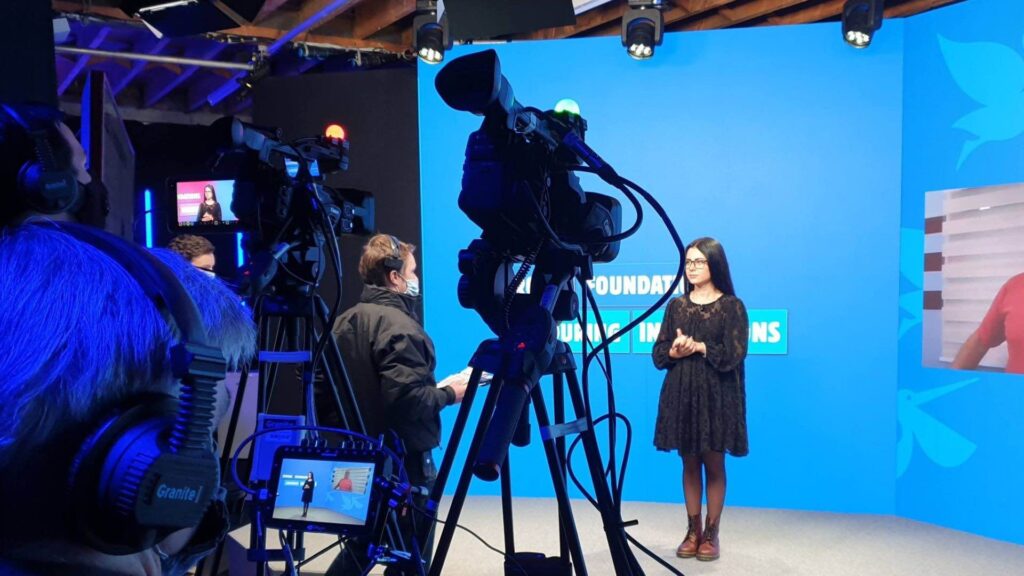
You will need to consider your event type and how it will be accessed – if it’s only a LIVE, in-person event or if it is open to a virtual audience, a hybrid event.
Hybrid/virtual events will need to incorporate a range of technology to ensure your virtual audience gets the best experience possible. This could include:
- Live-streaming capabilities
- Webcasting integration
- Green screens
- Camera placement strategy
AV & Lighting Production
The lighting and AV of your stage design are also crucial. These are the aspects that enhance your stage design and make the experience.
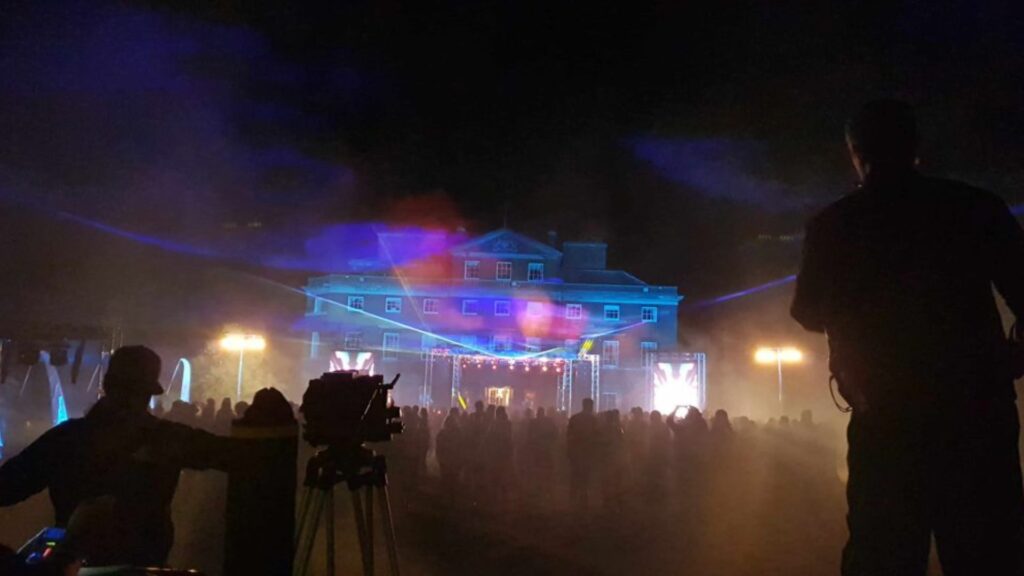
AV and lighting is very technical and includes all the video production and projection, atmospheric effects, live-streaming and content involved in your stage production.
This will be more complicated if you’re incorporating things like drone shows, 3D projection shows and interactive displays.
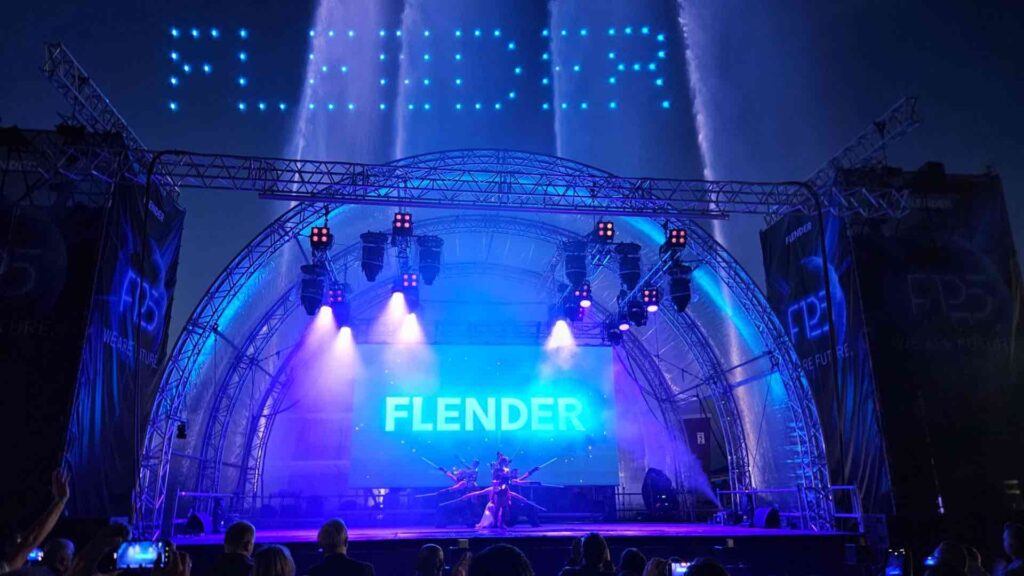
What to consider in your AV & lighting stage design:
- LED walls
- 3D projection mapping
- Drone shows
- Atmospheric effects
- Interactive digital displays
It’s always best to work with a specialist in this field – take a look at our event technology solutions and lighting and AV services to find out more.
7. How Can Futuristic Innovation Elevate Your Stage Design?
Event stage design allows you to transcend your event space and think outside of the box, taking your design to a new level.
Innovation can elevate your stage design to new heights; at your events, incorporate:
- Plasma screens
- Digital LED installations
- Holographic visuals
- Live social feeds
- Audience playback features
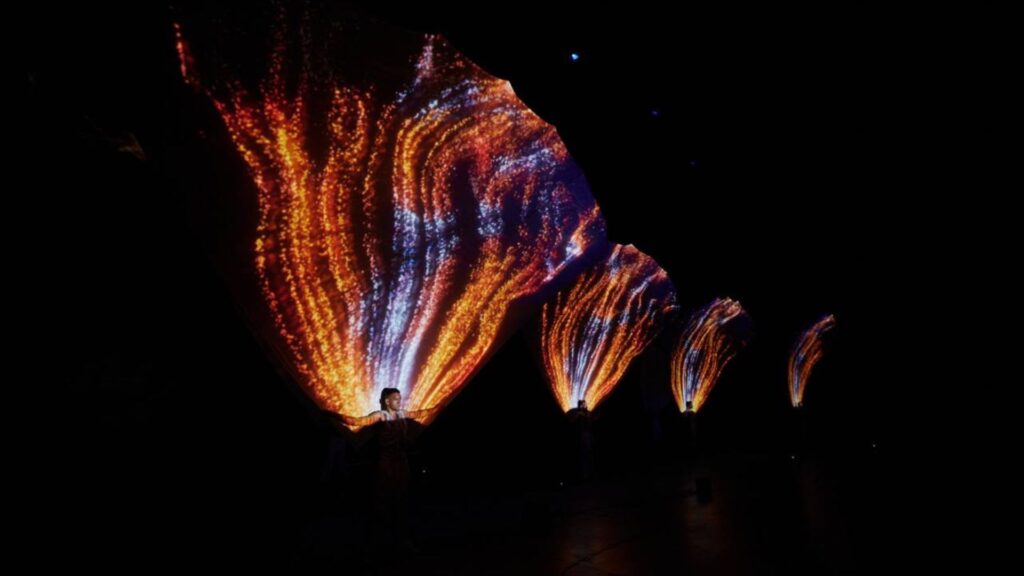
These elements not only captivate the audience but also create a futuristic ambience.
8. Why Is Professional Visualisation Essential in Stage Design?
Event stage design is no straightforward task; it requires professional visualisations and design concepts to ensure your stage is designed and produced to specification and purpose.
It’s very important to use precise measurements to make sure your stage is the correct scale and flows well aswell as showcasing creative stage design.
It’s also hard to imagine what a stage will look like without 3D renders, which is where a service such as our event design comes into play.
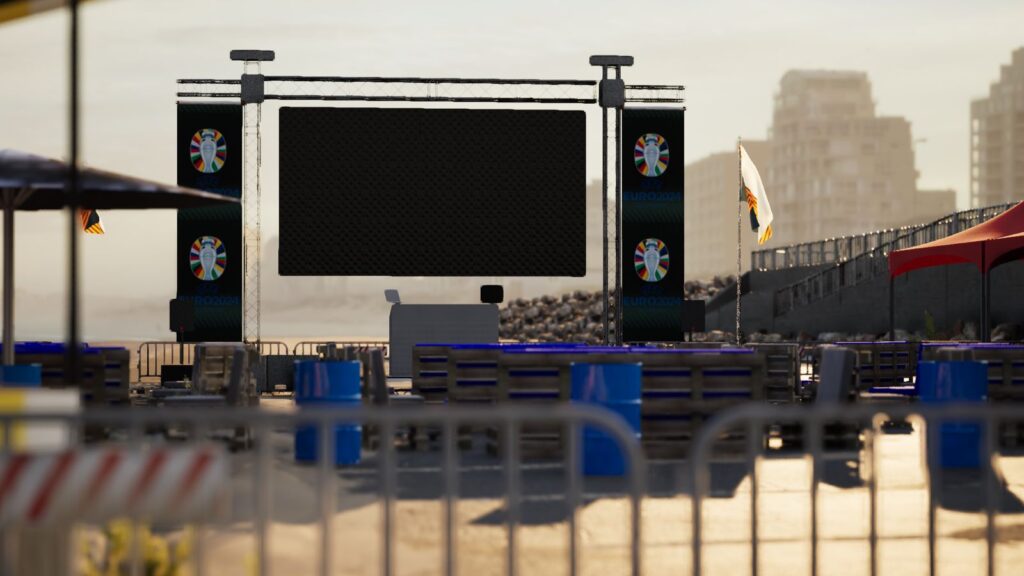
Our designers create accurate, to-scale 3D renders of your stage before going ahead and producing the real thing.
Why use stage event design:
- Accurate 3D renders
- Scaled technical drawings
- Space planning precision
- Flow and crowd management validation
- Pre-production approvals
9. How Can Sustainable Practices Improve Your Stage Design?
Sustainability is important in event stage design and production, from the suppliers used right through to the materials.
Not only is this eco-friendly, but it can also actually save you money.
Sustainable event stage production involves using eco-friendly materials and suppliers, resulting in cost savings and environmental benefits.
This can involve minimal plastic use, local sourcing (saving on transportation costs) and more.
Sustainability improves stage design by:
- Eco-friendly materials
- Reduced plastic usage
- Local supplier sourcing
- Modular reusable staging
- Cost efficiencies through reduced transport
10. How Can You Extend Your Stage Design into the Audience Space?
Creating an immersive and interactive experience doesn’t start and finish at your stage design.
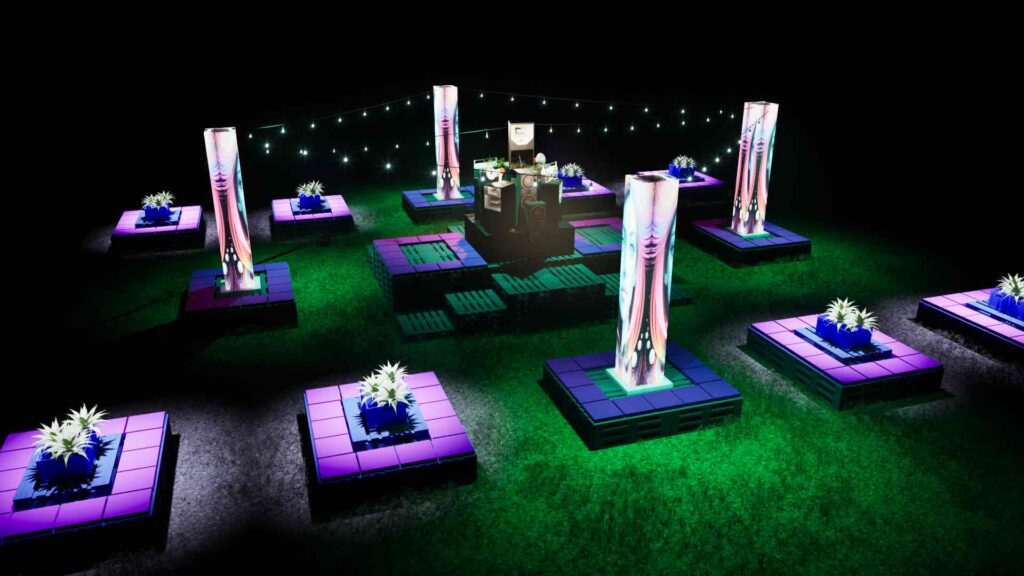
Extending your event stage design into the crowd can significantly enhance your event experience, integrating elements beyond the stage into the audience space using matching lights, tables, chairs and props that reflect the stage’s appearance and theme.
For instance, if your stage has a futuristic design with LED walls and digital displays, incorporating similar lighting effects and sleek, modern furniture in the audience area can create a unified visual experience.
Stage Design FAQs
Stage design is the strategic creation of staging, lighting, AV, scenery and visual elements that form the focal point of an event and enhance audience engagement.
Effective stage design reinforces brand messaging, improves audience focus and elevates the perceived quality of conferences, product launches and award ceremonies.
The cost of stage design varies depending on size, technical complexity, theming, technology integration and sustainability requirements.
Modern stage design can include technology entertainment such as LED walls, projection mapping, holograms, live-streaming solutions, interactive displays and synchronised lighting systems.
Sustainable stage design uses reusable staging, eco-friendly materials, local suppliers and reduced transport logistics to minimise environmental impact and reduce costs.
Ready to Create Impactful Stage Design for Your Event?
Your stage design should captivate, engage and leave a lasting impression. Whether you’re planning a conference, festival, product launch or hybrid event, professional stage design ensures your event stands out for all the right reasons.
Get in contact with a member of the events team today to discuss your vision.

Related Services:
Related Blogs:
Get In Touch With Us Today.
With nearly 20 years of Event Management insight, working with world-renowned Clients we'll help you create your Dream Event.
Get in Touch