How To Design An Event Space From Scratch
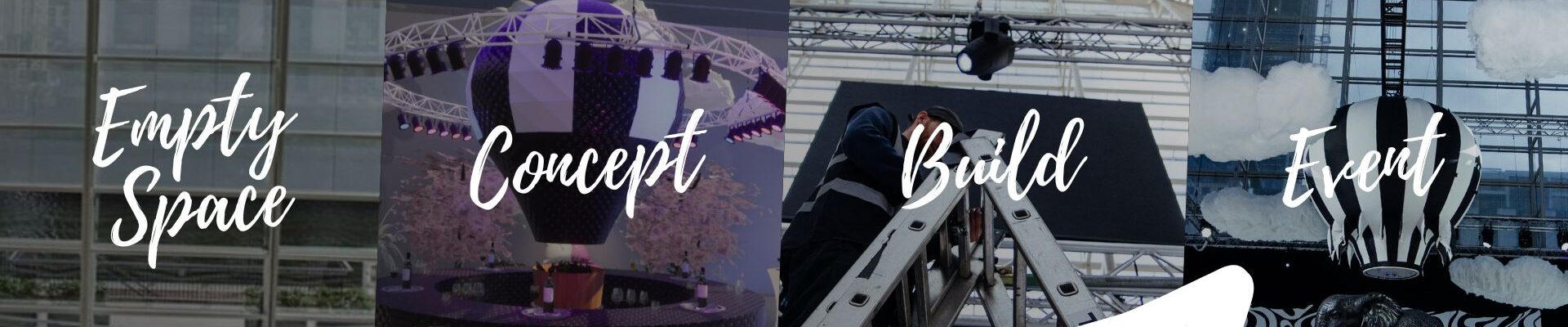
Designing an event space from scratch is no easy task, which is why event design specialists such as ourselves are a thing!
A lot of planning and thought goes into creating a successful event space and that’s just what we’re going to cover today.
Our top tips, the do’s and don’ts and the best practices for creating a truly unique event space from scratch.
From finding your venue and designing your initial concepts to starting the build and enjoying the real event!
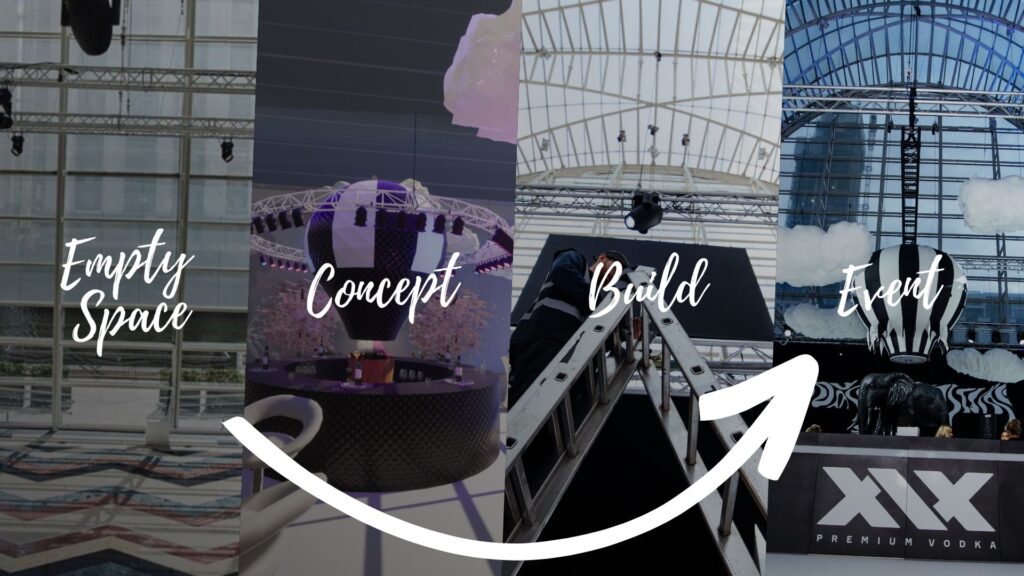
As with any event, you want to set a budget and set a date for when you want your event to take place.
Here’s a condensed list of the step-by-steps of designing an event space from scratch: (which we cover in-depth below)
- Define The Purpose of Your Event
- Find A Venue / Event Space
- Create A Concept
- Create An Event Floorplan
- Build Your Event
- Enjoy Your Event
Step 1: Define The Purpose Of Your Event
The very first step of any event design project is to understand the purpose of your event.
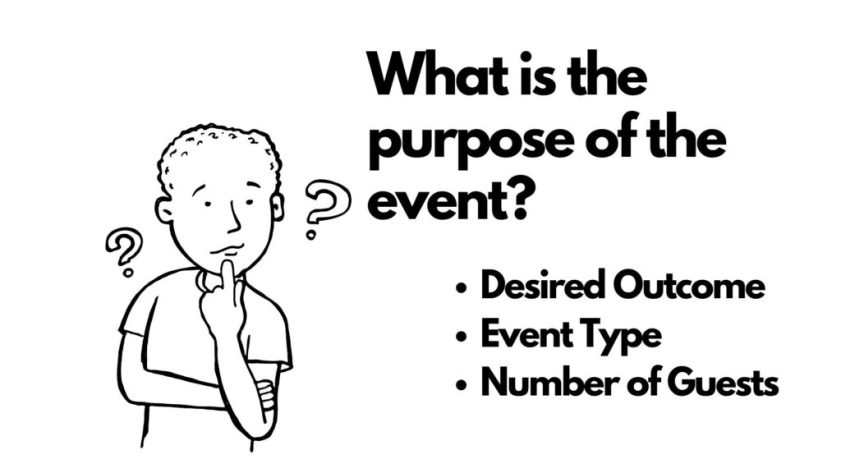
What is the objective? What is the desired outcome? Examples include:
- To raise awareness
- Promote a product/service
- For networking opportunities
- Share knowledge
- Celebrate an achievement/milestone
This is the most important thing you need to keep in mind when picking your event space and designing it as everything needs to serve this purpose.
Define what the event type is as the event space will need to serve the event type.
Is it a…
- Corporate event
- Conference
- Brand Activation
- etc.
It’s good to have an estimated number of guests you are expected to attend.
The more accurate this is, the better as this can dictate the venue you choose and how you need to use the space.
With regards to your audience, you also want to understand who your target audience is as you want to design your event with your audience in mind
The more optimised your event design is towards your target audience, the more successful your event can be.
The purpose, paired with your target audience of the event dictates how you will design your event space.
Step 2: Find And Choose A Venue / Event Space
Now you understand the purpose of your event, a rough estimate of number of guests in attendance and your target audience, you can now find a venue or event space suitable for your event!
Dedicated venues are usually the best bet for hosting your event, however, you can also choose from other spaces that you can transform into event spaces…even your own office!
It could be a field in the middle of nowhere, a hotel space – anything that is big enough to host your event.
For example, we transformed a hotel seating area into an event space to host a Christmas Party. This is just one example of utilising a space you may not initially think of for hosting an event – it just takes a little bit more work to transform it into the space you need it to be.
You can think outside of the box too – for example – we’ve seen event spaces constructed on lakes. Imagine how unique an event that takes place there could be!
When choosing a venue, it’s important to not only choose a space that allows for the number of guests and suits your event type, but you also want to choose a venue that’s easily accessible by your guests.
Talk with the venue and understand what is possible in their event space. Ask what is allowed and if there are any restrictions.
Understand what facilities your venue have:
- Have they got rigging set up already?
- What equipment do they provide? Lighting, rigging, AV…
- Back-of-house – what do they have in place? Kitchens, bars, staff rooms…
- Do they have parking available?
- Is there a dedicated drop-off location for trucks, vans etc.?
- Do they provide staff?
- Access to permits, floorplans, legal documentation…
You will be looking for different qualities depending on the type of event – for example, the venue you choose for a conference requires different criteria than a corporate event.
Other venue considerations:
- Does it fit your budget?
- Does the venue allow you to customise it?
- Does the venue have good reviews?
- Existing appearance – can it be used to enhance your event vision?
- Does the existing layout suit your event? Can it be easily changed if required?
- Booking timeline – how much notice do they require to book?
- Look at the legals, permissions, liability clauses, deposit requirements
There are some more very important considerations, which we have gone into more detail below.
Consider The Location Of The Venue
Location is so important when choosing a venue as this will have a huge impact on the logistics of the event – how your guests will travel to the event.
You want to choose an accessible location that’s not too far for guests to travel, so always look for good transport links when choosing your venue.
Look At The Venue Size / Capacity
When choosing a venue, it’s important to choose one that accommodates the number of guests in attendance.
You’ll also need to make sure there is enough room for any additional aspects you a bringing into your event, whether it be entertainment, catering, a dance floor, and of course any furniture, seating and attractions you may want to bring into your event space.
You also need to accommodate the number of event staff helping you at your event.
It’s important not to choose a venue that’s too large either – this can have a negative impact on the atmosphere of your event and give the impression of it being ’empty’ and ‘soul-less’.
Strike the balance between cosy and open! You don’t want the space to be cramped, but you don’t want too much empty space either.
Read our dedicated blog on what to look for when choosing a venue.
Step 3: Create An Initial Concept
So you’ve defined your event purpose and have chosen a venue. You can now get on with the fun part – designing your event space!
Start by assessing the space you have available – this is your blank canvas to bring your concept to life.
When we design an event space, we start creating an initial concept by creating mood boards to show the general direction we want to take the design.
The mood boards will show the elements we want to bring into the event space – everything from themes, colour palettes, specific styles of props and decorations, entertainment and even catering.
Pinterest is a fantastic place to go for inspiration and you can even create boards to keep all of your ideas together.
Once we’ve got an initial concept in place and have a good idea of the direction, we can start sketching up areas of the event space.
Here are some examples of our own sketches:
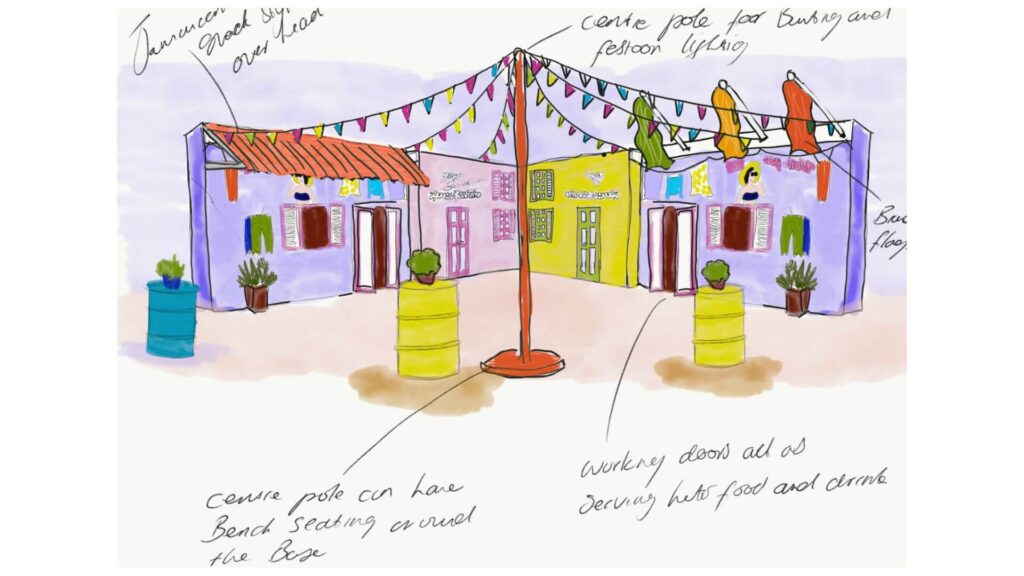
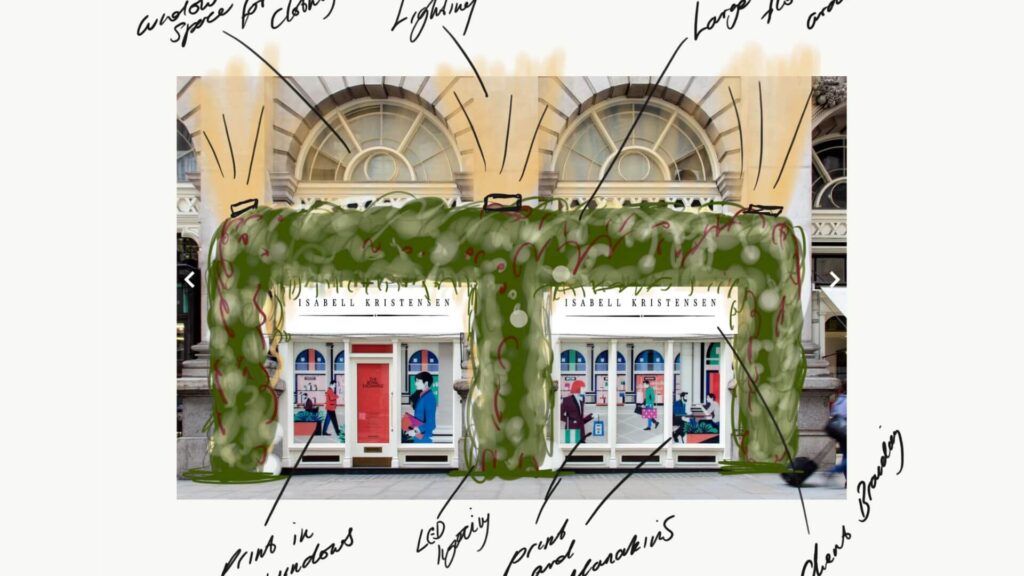
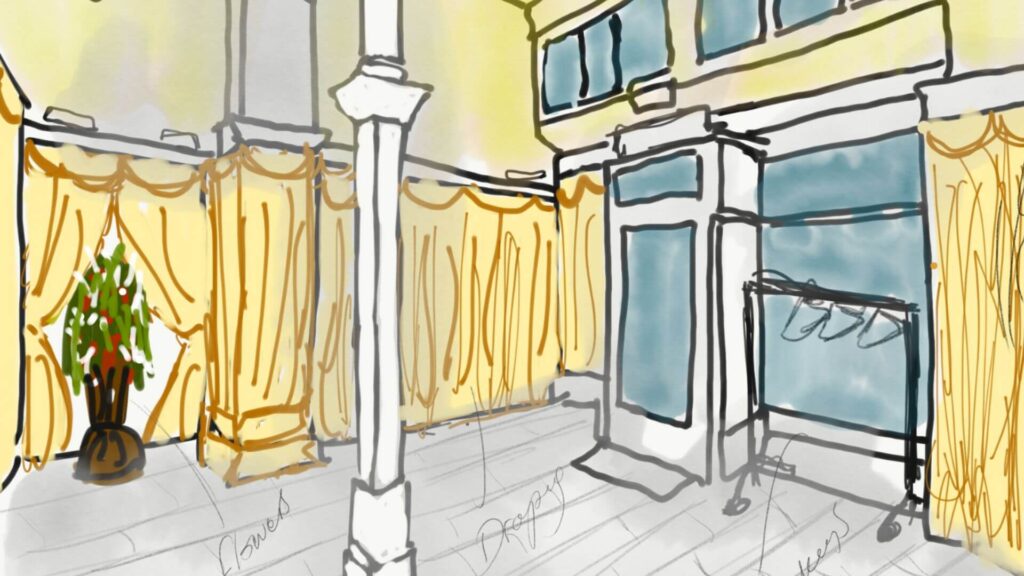
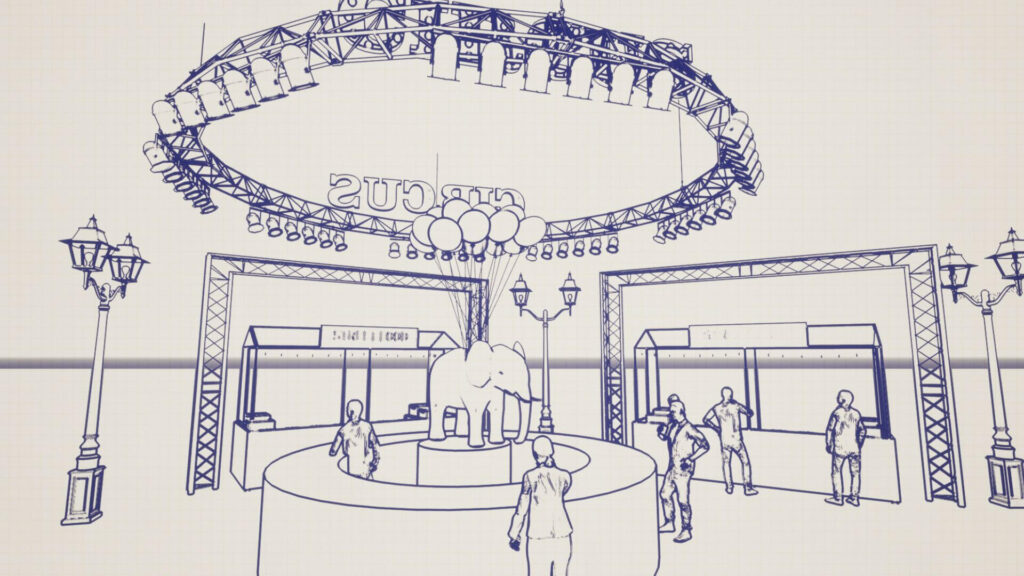
Now we’ve got the initial concept in place, we can start being more specific in our event design, using measurements of the event space to see what is actually possible in our design.
Creating Your Event Design
Digital software is a must for creating your event design.
We use software such as SketchUp to create the technical event designs and then render them in software such as Twinmotion.
This is a fantastic way of creating a digital event design that gives you a very realistic view of what your event will look like.
It’s important to visually design your event space to give you an accurate idea of what it will look like when you come to produce the real thing.
More on how to visually design your event space.
Split Up Your Event Space
When designing your event space, you want to think about how you are going to split up your event space.
It’s a great idea to split the event area up into different zones to serve different purposes and give the space some variety as well as spread out guests.
Here are some ‘zones’ to consider:
- Set and Stage
- Seating Areas
- Bar Area
- Photo Opportunities e.g. backdrops, walls, photobooths
- DJ Stage
- Dance Floor/Area
- Entertainment Areas
- Booths
- Standing Tables
We’ll get into this a bit more below when looking at the event floor plan.
When splitting up your event space, look at all of the areas guests can interact with and how they will use the space.
Photo opportunity areas are so important:
- “37% of event planners report that social media exposure is a key metric of event success. (EventMB, 2019)”
- “58% of marketers use social media for marketing before, during and after their events. (EventMB, 2018).”
So this is a must-have area to consider in your event design – create an amazing ‘instagrammable’ space for guests to take photos and engage online with.
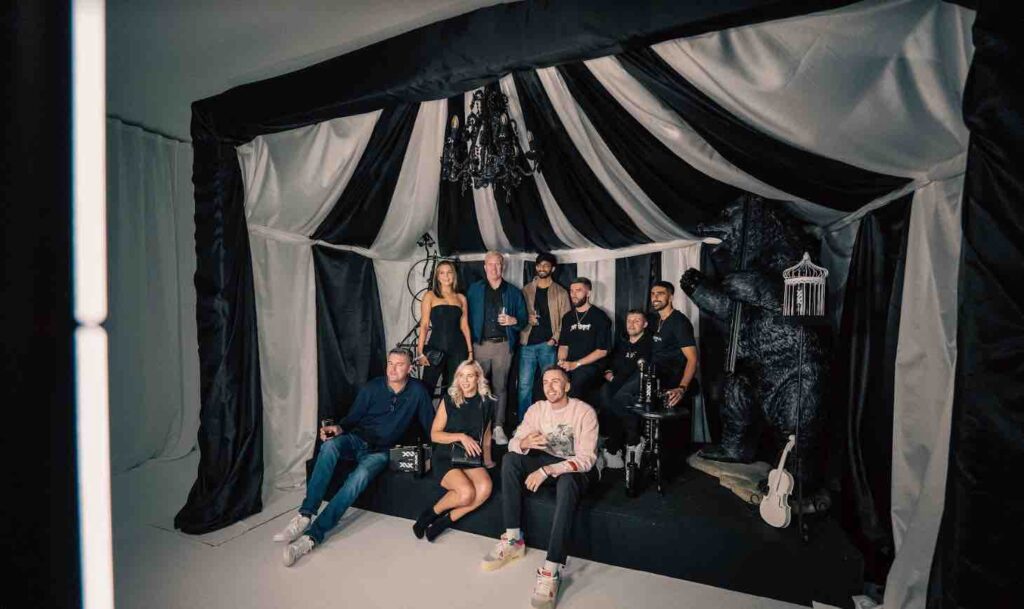
Pipe and drape is a fantastic tool for dividing up your event space.
Event ‘Flow’
When designing your event space, think about how you want your event to ‘flow’.
Think about the journey you want to take your guests on:
- How do you want them to walk through your event
- What are the things you want them to see as they roam your event
- What order do you want them to walk through your event space?
You can design your event in such a way that guests have to walk a specific route that you want to take them on.
Everything from the entering experience – do they check in at a desk, is there a cloakroom, welcome drinks, meet and greet area, dance area, seating area, outdoor area and more.
Consider:
- What is the first thing you want your guests to see when entering your event?
- Is there a ‘centrepiece’ to your event that you want guests to be amazed by?
- How do you want them to enter your event?
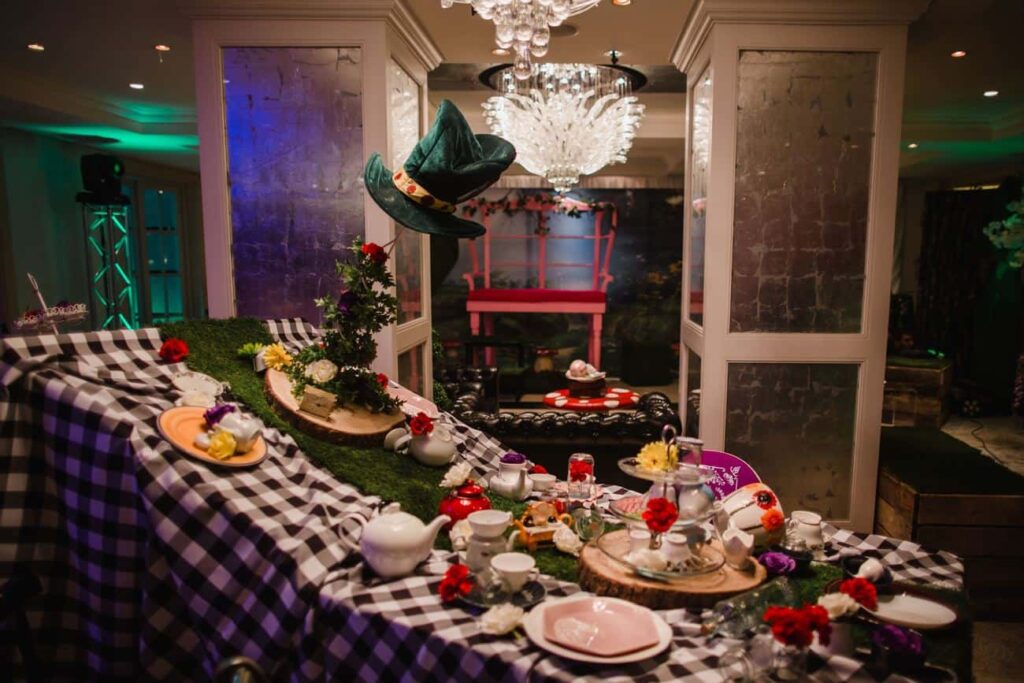
You can get creative with your entrance. For example, for an Alice In Wonderland themed party we created for a client of ours, we created a ‘rabbit hole’ entrance that guests had to crawl through to enter the event!

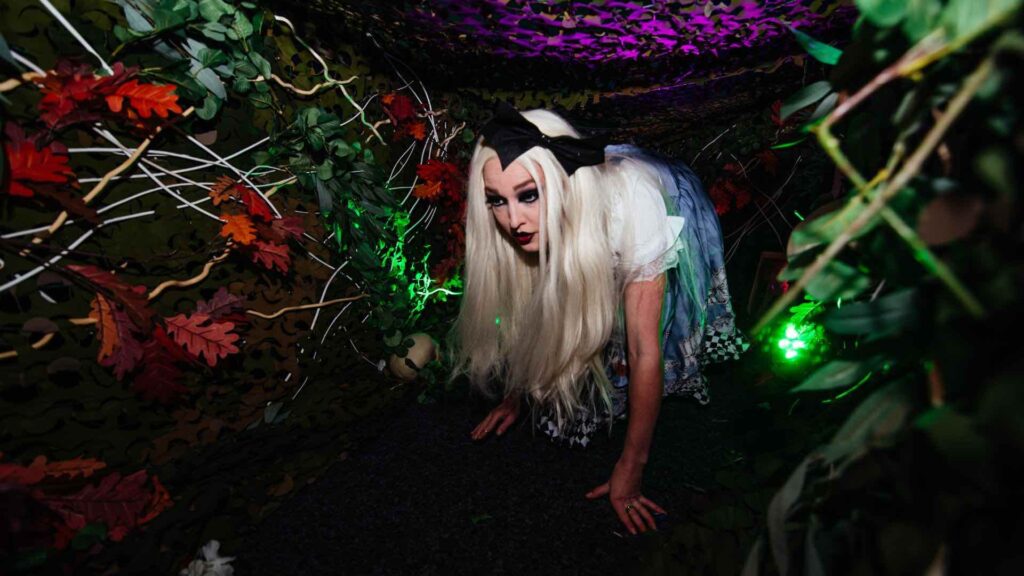
An entrance can be made to be different and memorable by just thinking outside of the box.
Or you can go more simple and create a modern, sleek entrance like this:
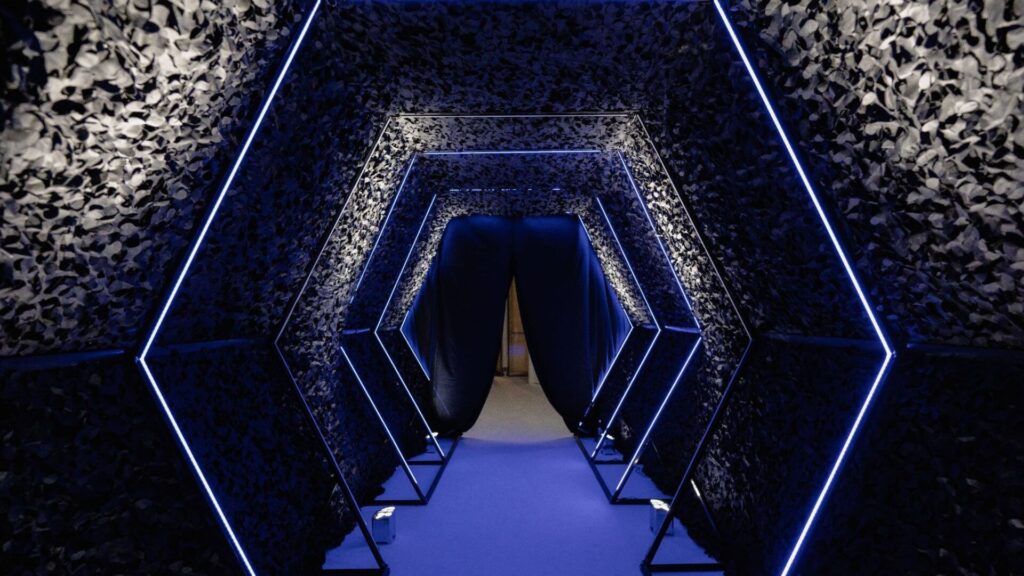
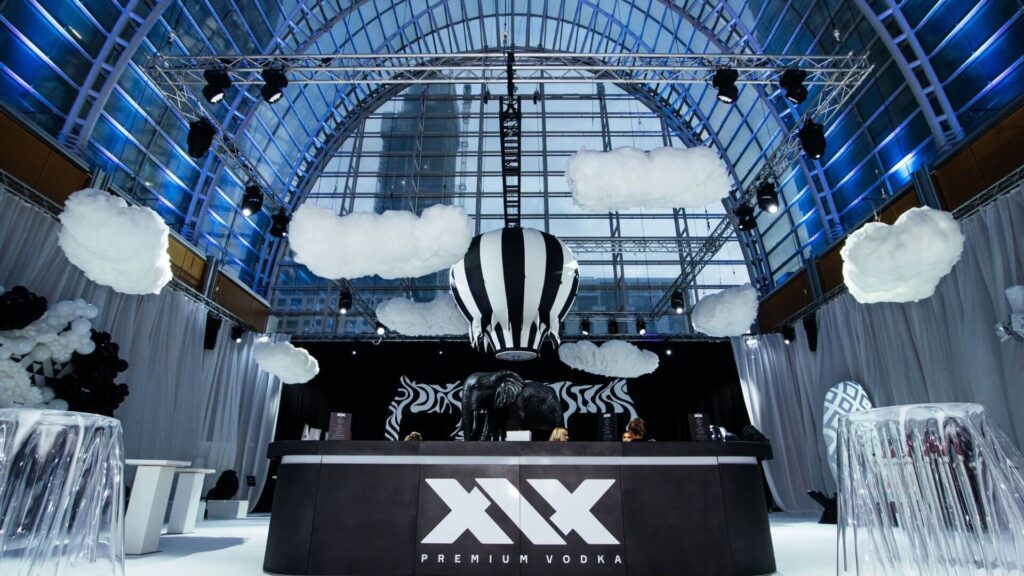
Also, think about what you want to stand out to guests when they enter your event space – is there a ‘centrepiece’ you want to draw attention to in your event?
This is where your set and stage design really comes into play. Along with your event bar!
If so, place this in the central area of the event and make it stand out with lighting, projections and space around it.
The stage and bar are usually the two main areas of an event – of course depending on the event type – these are the two things guests will spend the most time looking at!
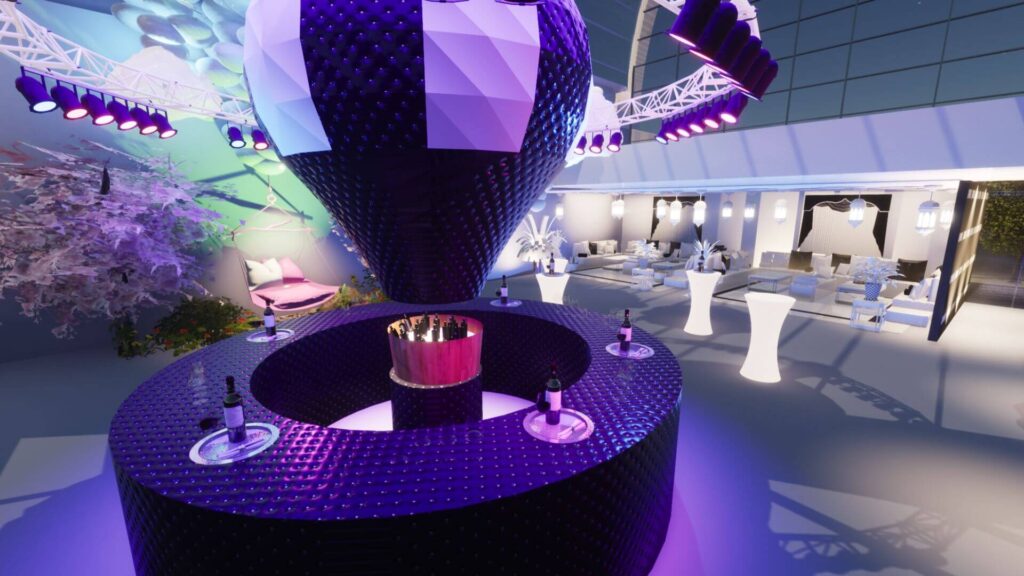
We recently did this with our floating balloon bar concept that we wanted to stand out to guests:
There are so many factors to consider when planning your stage design that it can feel like navigating a minefield! Take a look at our article Creative Ways to Enhance Your Stage for more information.
Consider These Elements When Designing Your Event Space
- The colour palette
- Lighting and projections
- Textures
- Space
- A running theme / multiple themes
- How the event space will be used
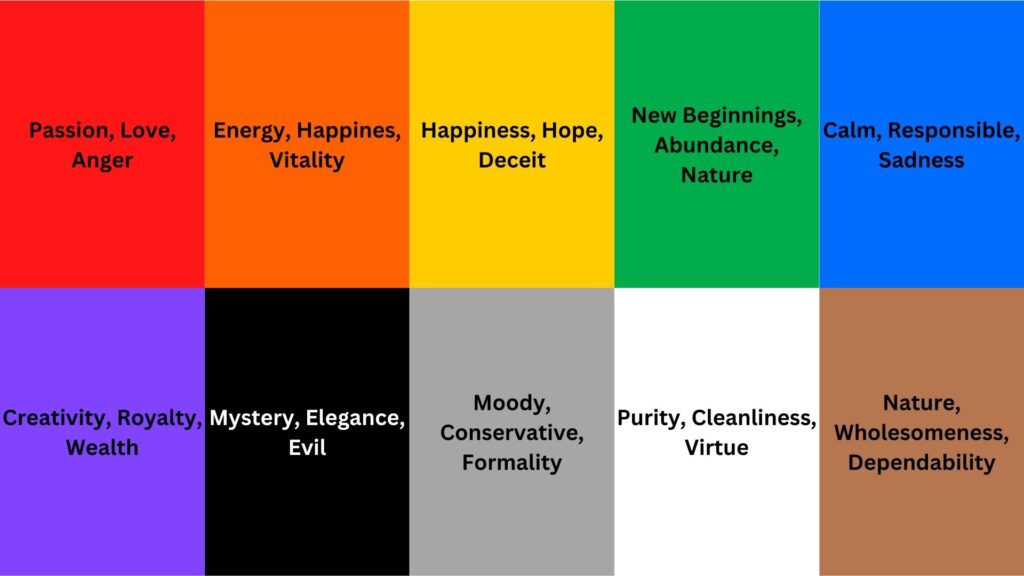
Colour Palette
If you’re creating an event around a brand – think about how you can incorporate the brand colours into your event space to represent it.
Generally, you want things to match around your event space, so it’s important to choose a colour palette and stick to it.
Lighting and Projections
Lighting and projections are so important for creating a fully immersive experience, and a fantastic tool for filling empty spaces without physically filling the space.
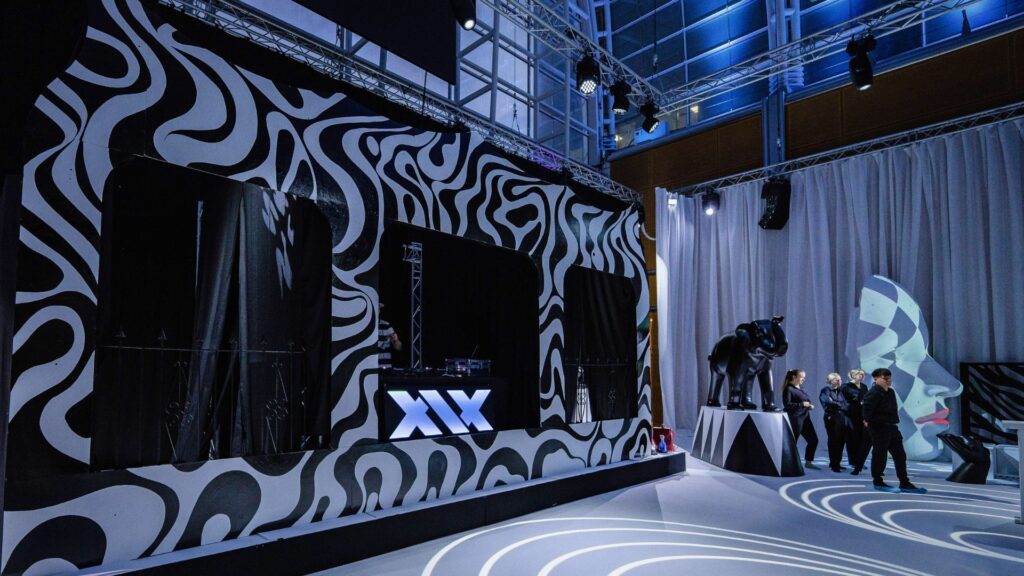
Projection mapping is so advanced now and you can project any animated display you want – here’s an example of some projection mapping we did recently:

You can see how this makes a plain white floor interesting and adds another layer to your event. It makes for great photos too!
You will need some technical know-how to set this up properly as they use fairly complex software – so if you’re unsure, always get a lighting and AV expert in to do it!
Textures
Texture is so important when designing an event space.
A lack of ‘texture’ can make for a flat and boring event space. Use different materials and finishes to create a more interesting event space, whether that’s flooring, furniture, bar surfaces, draping or anything else!
Space
Space too is very important – you don’t need to fill every empty space with something to create an impressive event space – sometimes less is more!
Everything you put into an event space should serve a purpose and remember, people will still have to roam the event – and you don’t want things to just be an inconvenience and in the way.
Open space is a must – and more open space will be needed if you’re bringing other elements into your event such as entertainers, roaming bar staff and more.
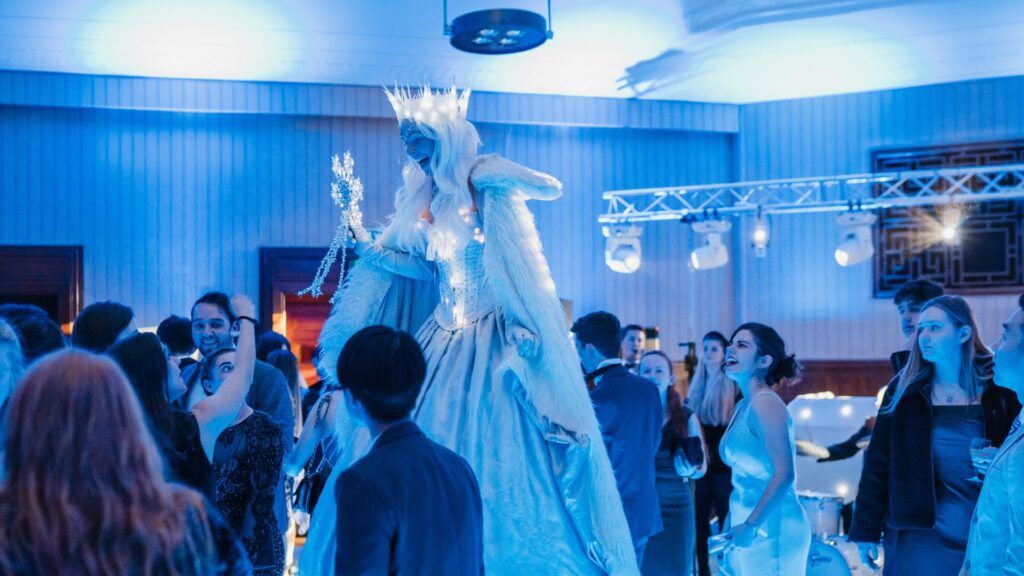
Creating an airy, open event space is a must, but you don’t want to have it too empty that it feels boring and dull – there’s a balance to strike!
Running Theme(s)
Creating a running theme or multiple themes within your event space is another good way of tieing everything together in your event space.
Everything from your invitations, the venue dressing, the entertainment and even the catering at your event can all follow the same theme.
You don’t have to choose just one either, you can incorporate several themes into one event space by splitting up the space or having different rooms in these different themes.
How the event space will be used
How are the guests using the event space? Where are the main ‘social’ areas, catering areas, entertainment areas, dance floor, seating areas and more.
You want to spread these areas out so it’s not crowded or difficult to get around.
Step 4: Create An Event Floorplan
Now your concept is in place, you can now create an event floorplan. This is the plan you and your team will go off when you’re physically building your event space.
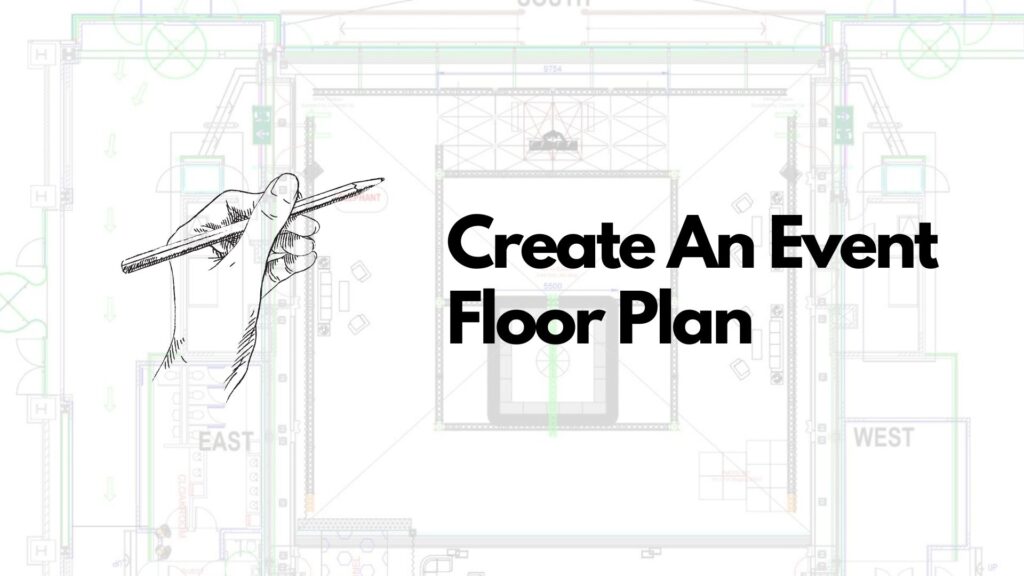
The floor plan will map out exactly what your event space will look like and where the elements you’ve brought into the event space will go.
Having a floor plan is a necessity for setting up any event space and helps you understand if your design is fully viable – it gives you a clear view of whether areas are too cramped and if there is actually space for what you’re putting in there!
Scale everything properly and ensure your measurements are 100% accurate to be sure of an event design you can pull off and bring to life – you don’t want to get to the build and realise you can’t actually build what you’ve set out!
Here are some key things to consider in your event floorplan (how to layout your event):
- Is there enough space for the number of guests in the event space?
- Focal points
- Social media points – areas you want to be shared online (photo opportunity areas)
- Branding
- Where guests enter / exit (consider entrances and exits)
- Where guests will be for most of the event
- Elements you want to bring into your event e.g. stages, entertainment, bar, seating, catering
- Create a balance between having space/being too cramped (needs to sit between the two)
- Any health and safety requirements, venue requirements etc.
- How will the layout mitigate queues?
- Where’s the welcome desk?
- How are my guests going to walk around the event space?
- How are they going to get the most enjoyment out of it?
- How doors open (into the space or out of the space) may affect your layout
- Consider external light factors – if there is a light in the hallway – it may come into the event space if someone opens a door
- Fire exits need to be considered
- Cable running
- Light fixtures – is someone going to hit their head?
- Stage – need to consider raised areas, lowered areas
Be sure to bring several print-outs of the floorplans to make sure it is being followed during the build – we like to go with larger A3 pieces of paper to make it easy to view and visualise the space.
Make sure each team have the print-outs too.
More on creating an event floor plan.
Step 5: Build Your Event
So now you’ve finalised your event design and have a floorplan showing exactly where everything in your event space will go – now it’s time to start physically building your event – and transforming the event space!
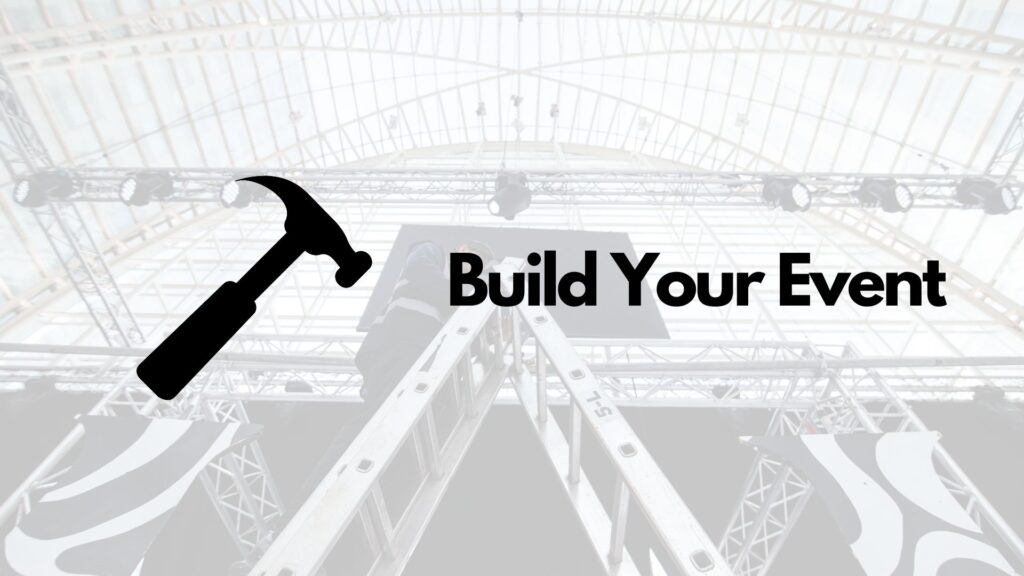
Depending on your event concept and how much is involved in it, the time you need to physically build your event and dress your venue will differ.
Of course, the more that’s involved, the longer it will take to create.
Most builds can be completed within a day, however, they can take longer of course depending on the size of the event and the complexity of the build.
Some events agencies, like ourselves, provide a full end-to-end service – designing, building and managing your event. Whereas others just provide singular services – this is where it’s important to know the differences between event management and event production.
The logistics around building the event space can be challenging too.
Your event build should be fully planned and scheduled, ensuring everything is covered and you have adequate time to transform the space.
This is where an event running order comes into play (click to find out more).
Some venues cannot give you access to the event space if there are events happening around the time of your event.
This means that sometimes working through the night is required to turn around your event space in time for your event!
Make sure you have enough staff on hand to build the physical event and there is a rotation of staff too if the build takes place over a long period of time.
Remember that everything will have to be taken down after too, so again, consider this in the design of your event to make sure it is viable in the time you have access to the venue.
Of course, as with everything else, unforeseen circumstances may occur when building your event space.
So you may have to adapt your event design as you go – but always bear in mind the purpose of your event when doing so, so that this isn’t lost when physically building your event.
This can be things like props and decorations not arriving when stated, accidents, changes in the number of guests and so on.
Once your build is complete, do a final run-through of the space and ensure everything is done correctly and everywhere is tidy.
Step 6: Enjoy Your Event!
Now you’ve done all of the hard work – you can now finally enjoy your event!
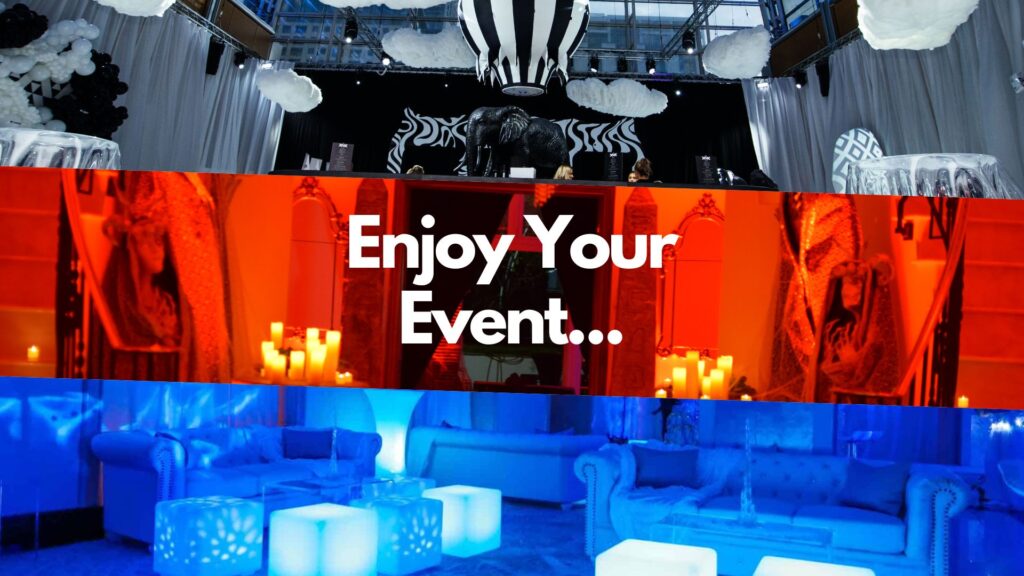
However, it’s not all done yet! Whilst the event is taking place, you’ll want to ensure it is being managed to keep things running along smoothly and as intended.
Don’t Forget To Manage The Event To Keep It Running Smoothly
Some things will come into the mix that you will have to deal with on your feet – for example – changing the lighting and sound to suit a changing mood/part of the event, keeping a bar running, managing the DJ and any other entertainment you may have, even moving some of your event furniture, displays and attractions to cater for an increase in number of guests and more.
A lot can happen at an event and you’ll need to keep on top of it to make sure it runs as intended.
You want to have plenty of event staff on hand to keep on top of things and a cleaning crew on hand – for spillages and any accidents that can happen at events.
You’ll need to consider security too to make sure everyone is kept safe at your event.
Keep on top of your event management.
BONUS: Ask For Feedback And Assess The Event (Post-Event)
Once your event has taken place and you’ve de-rigged everything, returning the venue to the state you found it in, it’s now crucial to assess the success of the event.
Assess what went well and what didn’t work. Also, ask for feedback from guests and any staff that were a part of the event.
Here are some questions you can ask to get some effective feedback:
- Did the client get their desired results?
- Did you hit the event objectives?
- Did everything go to plan?
- Was it built on budget?
- If you had to make any adjustments – why? Could this have been avoided?
- Could anything have been simplified?
- What were the most popular areas of the event? Why?
- Did the event ‘flow’?
Assessing the successes and failures of your event is crucial in creating successful events going forwards.
Frequently Asked Questions
Below are some frequently asked questions regarding event design.
1. How do you make a venue layout?
You can request a venue layout from the venue you are booking – you will want this in a digital format so that when you design your event, you can import the digital copy of the venue layout.
This is crucial to creating your event floor plan – an essential asset to designing your event.
If the venue does not have this, you will have to create one yourself in software such as Google Sketchup or Adobe Illustrator.
You will have to request the measurements from the venue or visit the venue yourself to take all of the measurements and enter them into the digital software you are designing from.
2. How do you design a room for an event?
When designing a room for your event, it’s a great idea to split up the room into different zones to serve different purposes.
Incorporate seating areas, attractions such as photobooths, a food stand and/or bar and anything else you may want to include.
Split these areas up with lighting or even draping to separate these zones.
3. How do you fill space in an event?
Filling space in an event can be done in several ways.
Use props and decorations to create ‘centrepieces’ and use event furniture such as seating and tables to create ‘chill-out’ zones.
Use lighting and draping to fill empty spaces and include attractions such as bars, photobooths, dance floors, stages and more.
What you choose to fill your event space with will depend on what your event is.
Book An Events Agency To Design Your Event For You
We hope this guide helps you in designing your event space. However, if you choose to not do it yourself, our dedicated team of event designers are able to help.
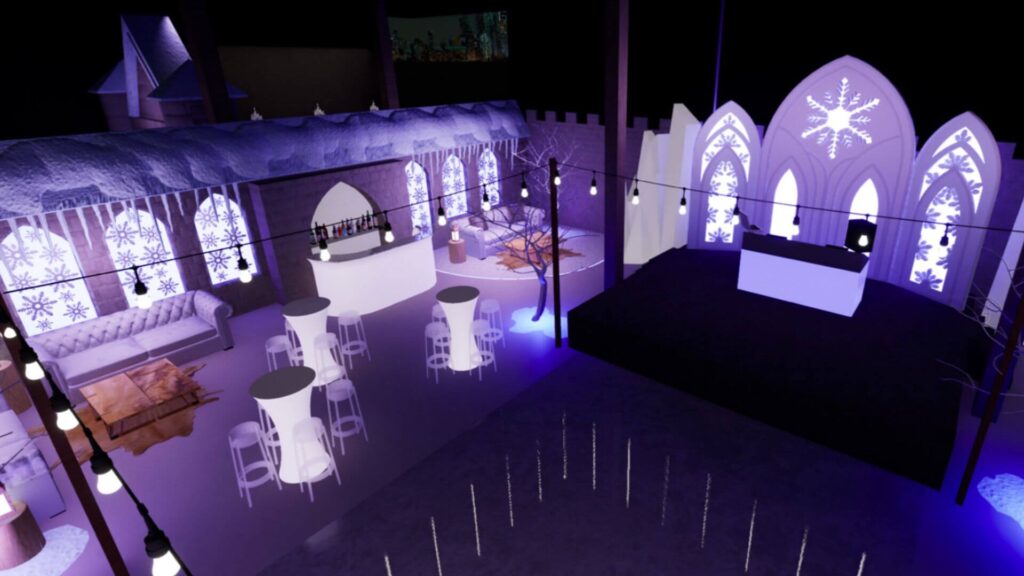
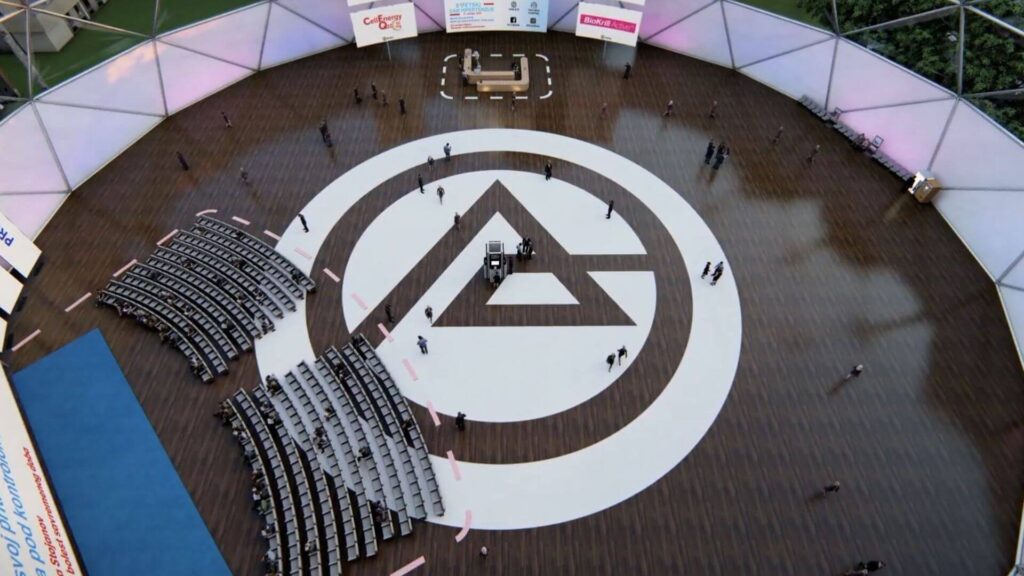
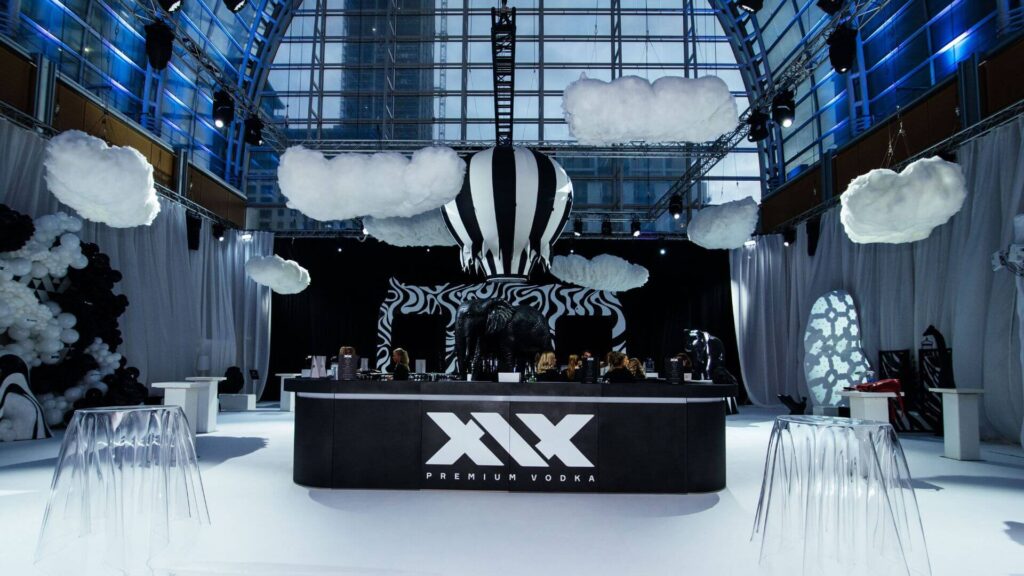
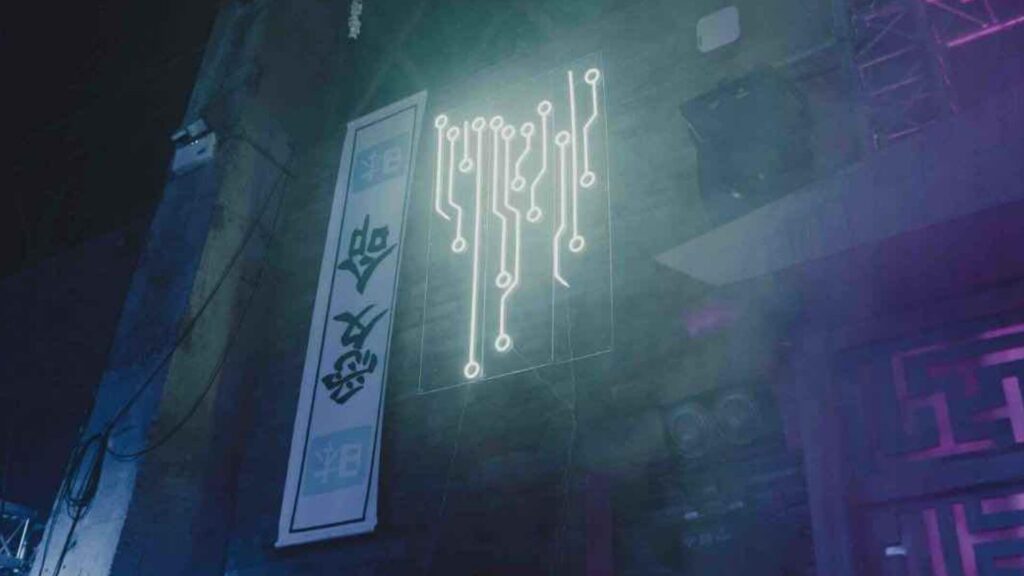
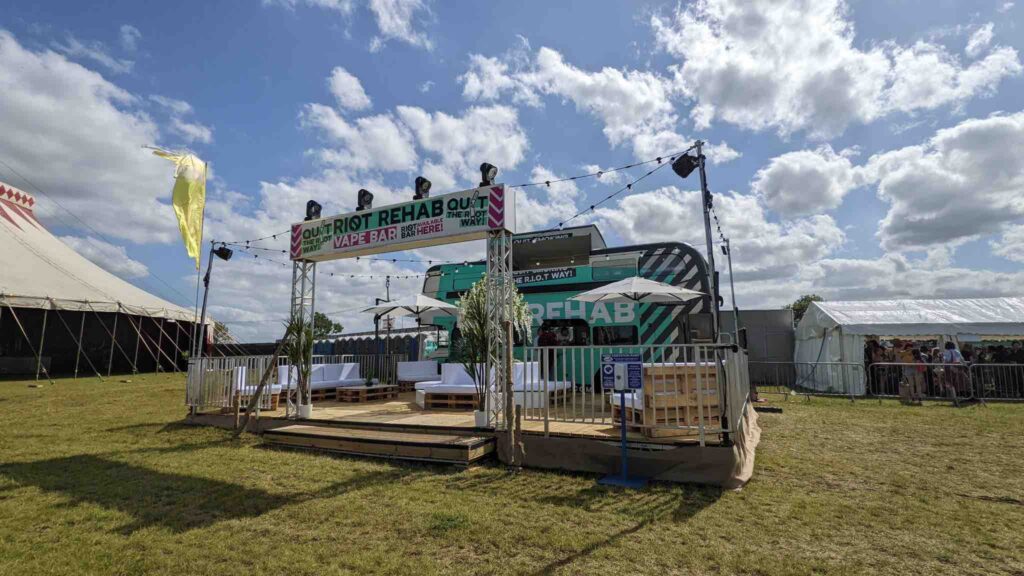
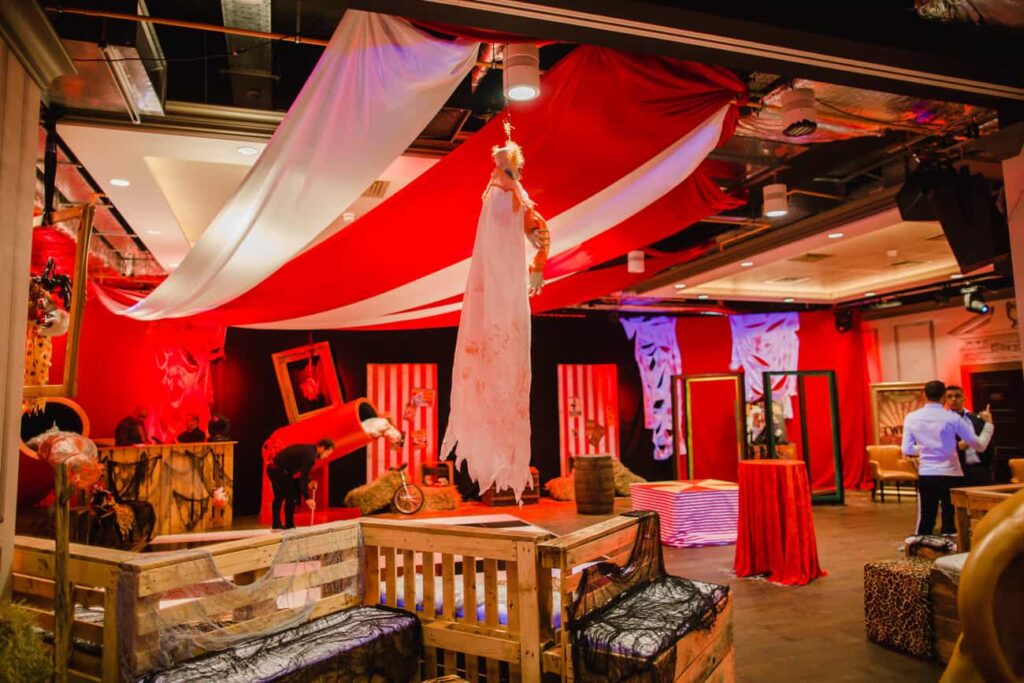
We create bespoke event spaces like no other – here’s a look at just some of the event designs we’ve brought to life!
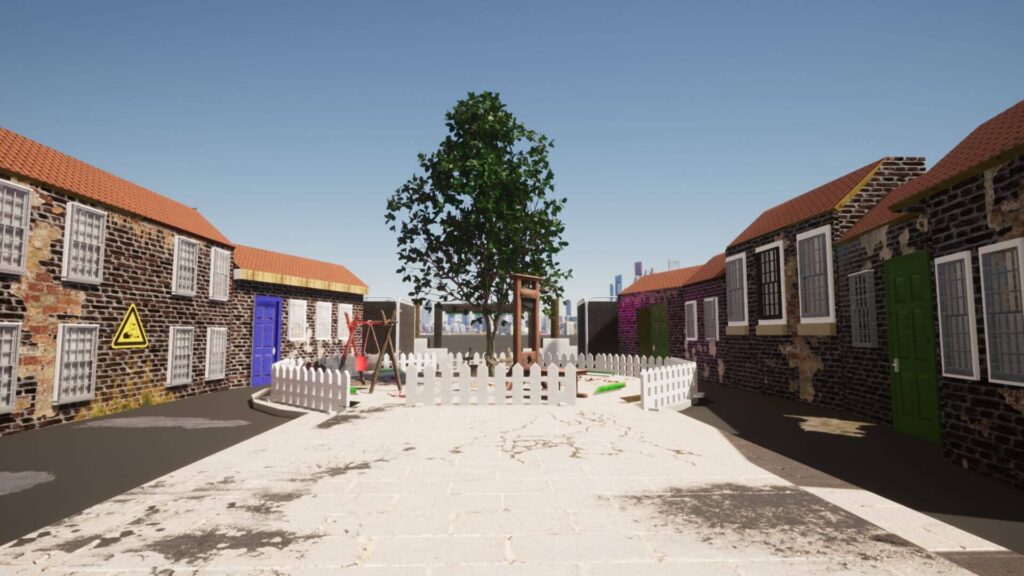
We do it all – whether it’s a conference, product launch, influencer event or party – we are able to help!
If you’d like to find out more, please get in contact with a member of the events team today.
Related Services:
- Event Production
- Set and Stage Design
- Lighting and AV
- Event Design
- Event Management
- Themed Events
- Event Technology
- Venue Finding
Related Blogs:
- The Importance Of Set and Stage Design
- How To Design An Event Set
- What To Look For When Choosing A Venue
- How Venues Can Benefit From Design Walkthroughs
- The Importance Of Event Bar Design
- The Importance Of Event Sound and Lighting
- Challenges To Creating Outdoor Events
- How To Design The Best Creative Event Concept
- The Importance of Creativity in Events
- How To Create An Event Floor Plan
- How To Optimise Event Flow
- Effective Ways To Transform Your Event Space
Get In Touch With Us Today.
With nearly 20 years of Event Management insight, working with world-renowned Clients we'll help you create your Dream Event.
Get in Touch