The Future of Exhibition Entertainment: AR, VR, and Beyond
Exhibition entertainment has evolved rapidly in recent years, with technology and innovation driving more engaging and memorable experiences.
Today, audiences expect more than just static displays, they want to interact, immerse, and connect through immersive event technology.
Furthermore, 49% of marketers say audience engagement is the biggest contributing factor to event success according to Cvent, highlighting why entertainment strategies are changing so dramatically.
With that in mind, we’re here to explore the future of exhibition entertainment, interactive exhibition ideas and how event managers can implement AR and VR technologies.
The Evolution of Exhibition Entertainment
Exhibition entertainment has evolved far beyond simple stands and printed brochures.
Attendees now expect interactive, experience-driven activations that capture their attention and immerse them in a brand’s story.
Research shows that 80.4% of organisers say in-person events are their most impactful marketing channel, while 77.7% of attendees believe exhibitions and conferences are the best opportunities for networking and engagement.
With that in mind, exhibitions are still one of the most powerful events to make an impact on guests, but the way it’s done has changed.
Accordingly, we’ve seen this shift first-hand as brands seek to create memorable experiences that spark conversation and leave a lasting impression.
As a result, by introducing immersive event technologies, interactive entertainment, and creative storytelling, we help exhibitions evolve into dynamic, engaging environments.
On the other hand, we’ve also seen a rise in virtual event solutions, connecting audiences with technology in a completely alternate way.
You can even utilise event technology for event planning, making your event run smoothly.

Current Exhibition Trends
Exhibitions today are driven by personalisation, interactivity, and experience-led events.
Attendees no longer want to passively observe; they want to be part of the action, and over 65% of organisers plan to maintain or increase their number of in-person events to take advantage of that.
At Julia Charles Event Management, we’ve responded to these exhibition trends by curating interactive digital installations, immersive entertainment, and tech-driven experiences that keep audiences engaged.
Therefore, through AI-powered attractions to VR and AR activations, we help brands tap into these evolving expectations, ensuring their conference and exhibition space is not just visited but also remembered.
With that in mind, the future of trade shows seems to be quite heavily based around technology.
Immersive Technology For Exhibitions
Immersive technology for exhibitions is redefining how audiences experience events, turning stands into interactive, memorable destinations.
Virtual Reality (VR): Creating Fully Immersive Worlds
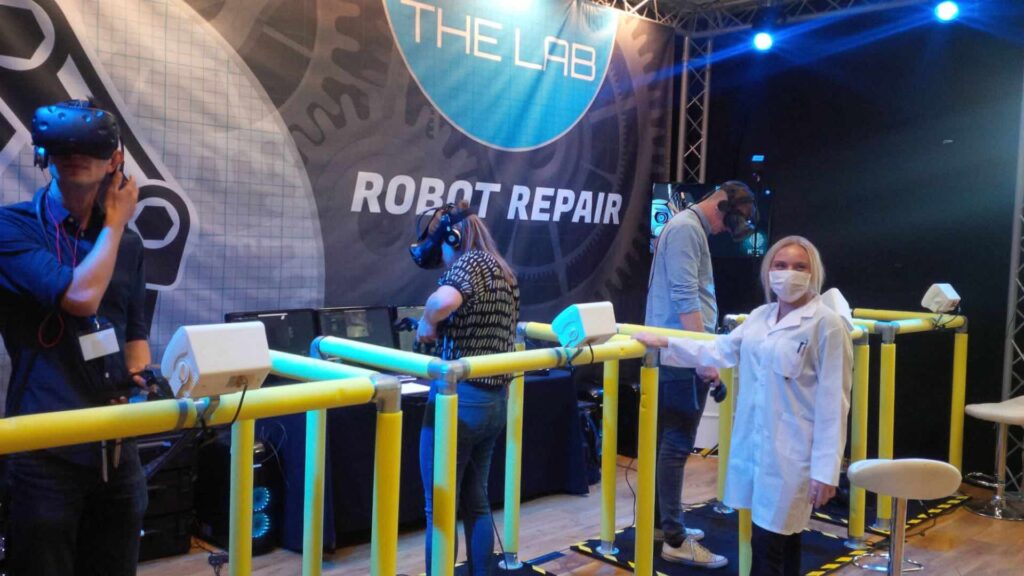
Virtual Reality allows exhibition visitors to step into entirely new environments, making it perfect for product launches, demonstrations, and brand storytelling.
By transporting audiences into an interactive world, metaverse experiences and VR create unforgettable moments that go far beyond traditional displays.
In fact, this kind of technology for exhibitions can be a complete gamechanger for storytelling and establishing your brand, with studies like Stanford University study proving that learning via VR leads to 75% information retention.
Furthermore, through interactive experiences like virtual reality simulators, you’re much more likely to increase dwell time and boost engagement rates at exhibition stands.
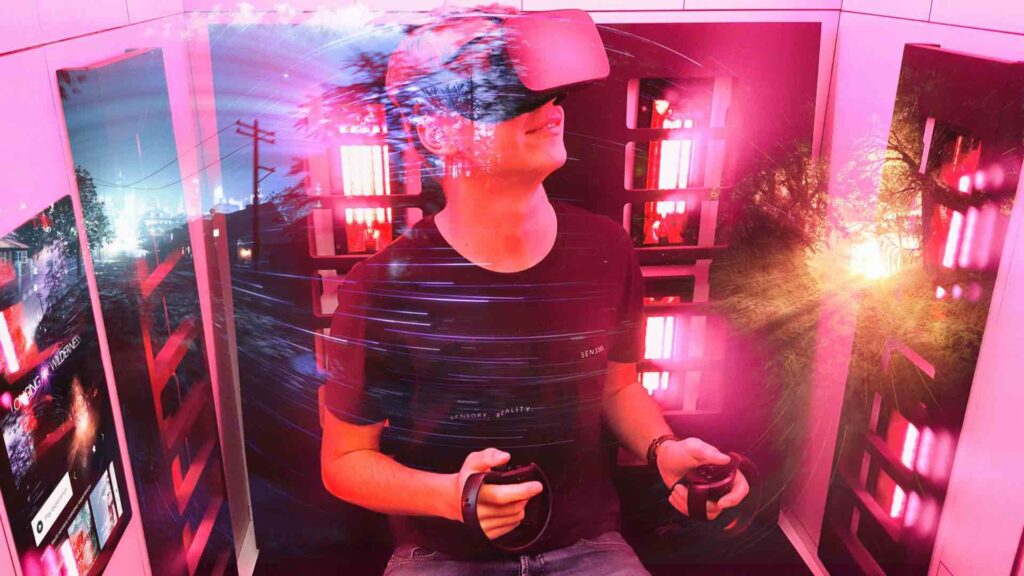
On the other hand, why not go even further with an immersive VR pod, offering a multi-sensory experience that makes attendees feel a part of your story and product.
Augmented Reality (AR): Blending Digital with the Real World
Augmented Reality is quickly becoming one of the most exciting exhibition entertainment trends, allowing brands to merge the physical and digital worlds through immersive event technology.
By adding interactive layers, such as AR animated murals, exhibitions are transformed into engaging, shareable experiences that capture attention and spark conversations.
Furthermore, AR takes things one step further than VR, creating shifting images out of the reality we can actually see.
Consequently, digital event artists add a new layer of immersion and wow-factor to exhibition stalls, adding even more depth to unique visual imagery.
It’s without a doubt that the future of trade shows includes powerful tech like AR.
Interactive Displays
Interactive displays are one of the most effective ways to elevate exhibition entertainment, transforming passive visitors into active participants.
Whether it’s touchscreens, motion-sensor games, or competitive simulators, these interactive exhibition ideas encourage audiences to spend more time at your stand, boosting engagement and brand recall.
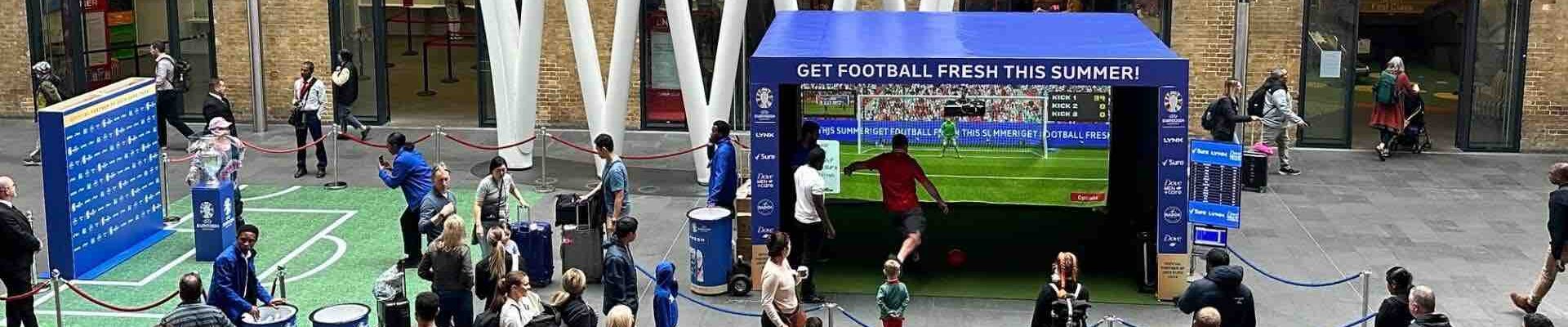
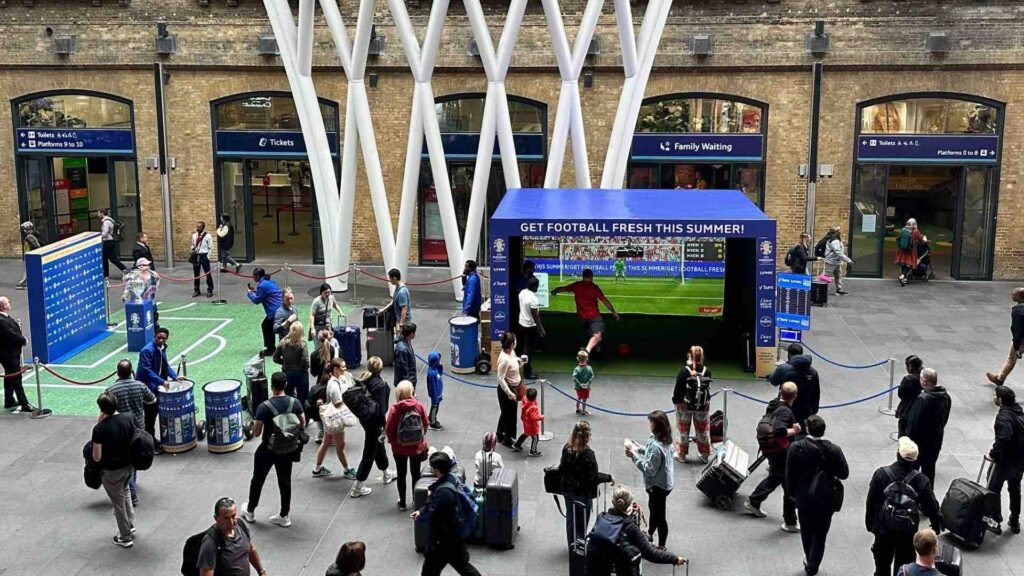
With that in mind, engaging experiences like football simulators are perfect to immerse guests in interactive experiences, creating memorable, positive moments that link to your brand activation.
Alternatively, interactive digital walls are a powerful way to draw clients to your exhibition stands, with powerful visuals that tie into your storytelling and attract crowds for photo opportunities.
Why not even consider a digital graffiti wall, allowing guests to get creative with your branding and delivering a memorable experience with your stand?
Immersive Storytelling: Turning Brand Messages Into Experiences
Immersive storytelling is one of the most powerful ways to create memorable exhibition entertainment.
By leveraging technology for exhibitions, brands can transform their messages into fully immersive experiences that captivate attendees.
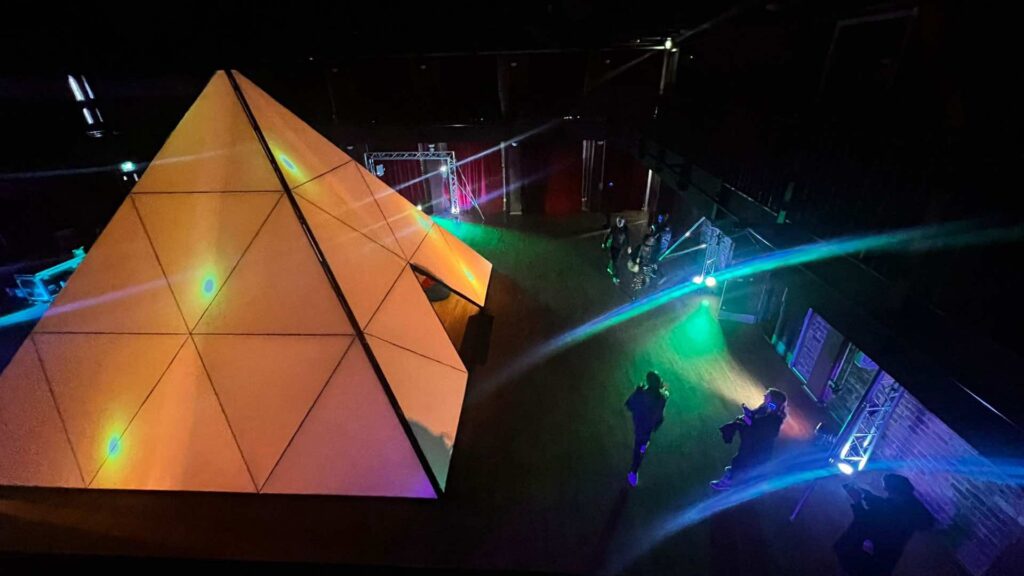
Subsequently, futuristic exhibition entertainment like projection mapping has been becoming more and more popular, creating bold spectacles that highlight your brand and storytelling.
Alternatively, immersive experiences like 4D reality pods are great ways to bring attendees directly inside of your event’s narrative, experiencing it firsthand.
As exhibition trends continue to focus on engagement and interactivity, immersive storytelling is central to the digital transformation in events, helping businesses stand out and leave a lasting impression.
Personalised AI Experiences
Personalised AI experiences are transforming exhibition entertainment by providing visitors with tailored, interactive engagements.
For example, AI fortune tellers make every interaction memorable and tailored to each attendee, creating a unique connection.
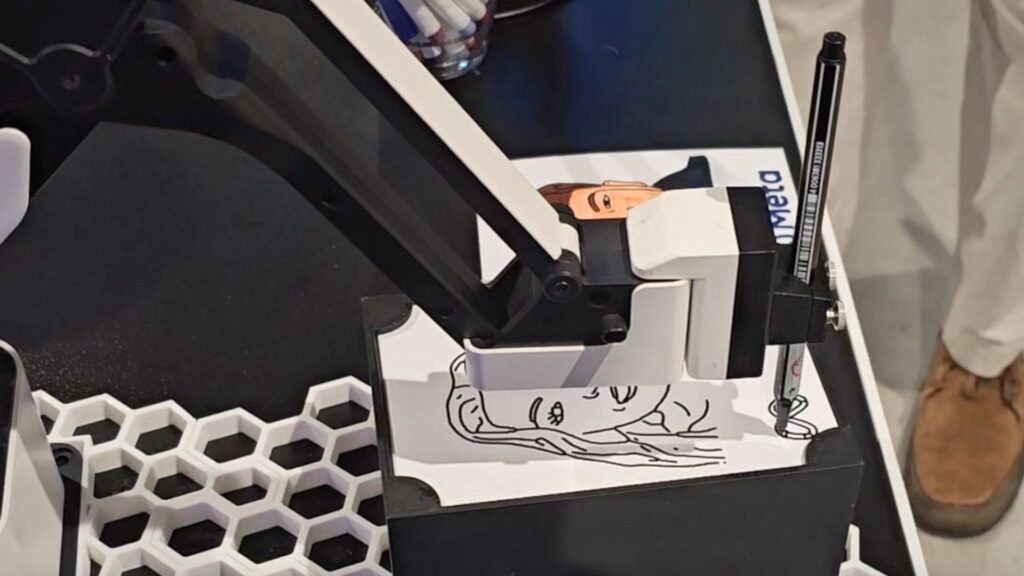
Alternatively, consider an AI sketch robot to create personalised sketches of your guests, tying them into your brand’s message personally.
Moreover, as part of the ongoing digital transformation in events, AI enables technology for exhibitions that not only enhances engagement but also increases dwell time and strengthens connections with your audience.
With AI-driven storytelling, you can also utilise data analysis, automation and immersive tools to create experiences that naturally adapt to audience interaction and showcase the future of trade shows.
The Future: What’s Next in Exhibition Entertainment?
Looking ahead, exhibition entertainment is set to become even more personalised, interactive, and technology-driven.
As exhibition trends and event technology continues to evolve, audiences will expect immersive event technology that seamlessly blends physical and digital elements together, creating environments where they can fully immerse themselves in a brand’s story.
Moreover, the rise of AI, AR, VR, and other technology for exhibitions means that these experiences can adapt in real-time to attendee behaviour.
This digital transformation in events is not just a trend, it’s shaping the way brands connect with their audiences, increasing engagement, dwell time, and lasting impact.
As we look to the future, technology is sure to impact events more as it gets more advanced and immersive, making even more realistic experiences for guests to feel a part of your brand’s journey.
FAQ
Virtual Reality (VR) places attendees inside a fully digital environment using headsets or pods, making it perfect for product launches, demonstrations, and storytelling where you want visitors to feel transported. On the other hand, Augmented Reality (AR) enhances the real-world environment by overlaying digital elements, such as animations or interactive graphics, onto physical spaces.
Not necessarily. While some large-scale VR and AR installations can be more complex, there are many options available at different price points. For example, you can hire VR for events with compact simulators or pods, or choose scalable AR experiences like interactive murals and digital artists.
It depends on the type of exhibition entertainment being used. For VR, attendees typically use a headset or step inside a VR pod to experience the fully immersive environment. However, many technology for exhibitions solutions, such as AR displays or interactive installations only require a smartphone or built-in screens. This flexibility means brands can integrate cutting-edge experiences without placing extra demands on their guests.
Yes, both AR and VR can be easily scaled to fit smaller exhibition spaces. For instance, compact VR simulators or pods can provide immersive event technology without requiring a large footprint, while AR activations like digital murals or interactive displays can be set up using existing walls or screens.
Transform Your Exhibition Entertainment
As exhibitions continue to evolve, one thing is clear: the future of audience engagement lies in creating experiences that are not just seen but truly felt.
With the rise of immersive technology, AI-driven storytelling, and interactive entertainment, brands have more tools than ever to transform their stands into unforgettable destinations.
Those who embrace the digital transformation in events today will set the standard for tomorrow, shaping exhibition entertainment into spaces where audiences connect, engage, and remember.
At Julia Charles Event Management, we specialise in immersive, innovative, and interactive exhibition ideas and entertainment that ensures your brand stands out.
Get in touch with our team today to start designing an unforgettable exhibition experience.
Contact us now!
Find Out More About Us:
Related Blogs:
- How Can Exhibition Activations Generate Leads? 10 Ideas for 2027
- Top 10 Entertainment Acts for Conferences and Exhibitions
- How to create the Number One Exhibition Stand Design
- 10 Futuristic Entertainment Ideas To Elevate Your Corporate Event
- Trade Show Entertainment Ideas to Drive Footfall & Engagement at Your Next Convention
Get In Touch With Us Today.
With nearly 20 years of Event Management insight, working with world-renowned Clients we'll help you create your Dream Event.
Get in Touch