Event Budgeting: 10 Pitfalls and The Solutions

One of the most critical but overlooked aspects of event planning is budgeting.
No matter the scale of your event, staying on top of your finances is an important way to balance an affordable event with one that stands out.
While you’ll want to deliver something exceptional, it’ll be hard to meet your targets and goals if you’ve broken the bank.
From unexpected costs to client expectations, there are plenty of potential event budgeting pitfalls to navigate when it comes to hosting an event, but we’re here to help with key event budgeting solutions.
Whether you’re capable of managing it alone or if you need the expertise of our event management, knowing these important event budget pitfalls can make all the difference.
Why is Event Budgeting So Important?
Event budgeting is so important to consider when planning your event because it affects every element of the day and the overall success thereafter.
Without properly looking into event budget pitfalls, you’re likely to be hit with a mass of surprise costs and expenses.
When considering our key event budgeting solutions, you can make plans to prepare for any unwanted challenges, all while letting your event thrive!
It may seem that events need to be large and expensive to stand out, but there are some brilliant hacks for working on a budget and still delivering something exceptional.
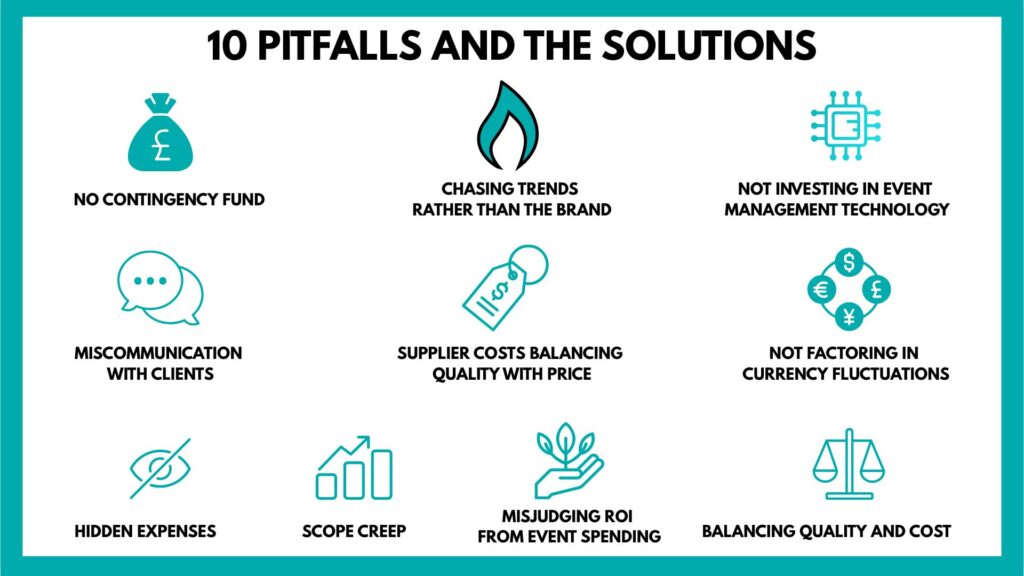
10 Pitfalls and The Solutions
All events are likely to face some, or all, of these event budgeting pitfalls. But with the right mindset and preparation, they won’t make a dent in your event’s overall experience or finances.
1. Hidden Expenses
A lot of services hired for your event could potentially come with hidden expenses.
Being thorough when booking is key to keeping track of finances off-the-bat, and reading the terms and conditions carefully.
Some venues, for example, may have extra fees for security deposits, power, WiFi, cleaning fees, service charges, and penalties for exceeding time limits.
You may also deal with vendors like caterers, photographers, and AV teams, that charge overtime fees if the event runs longer than planned, making it imperative to set allotted times, running orders and working promptly.
While hidden expenses are never nice, making arrangements in advance and carefully reading terms should keep you safe from extra unexpected charges.
2. Scope Creep
It’s possible that with time, the scope of your event will get grander, particularly if clients or stakeholders request additional elements.
Planning in advance the scope and budget for your event should eliminate later expectations down the line, clearly detailing your event’s expectations.
Other scope changes to your event may see you adapting on the fly, potentially going into an unexpected overtime with vendors and venues.
Establishing overtime fees in advance will leave you in a much better position, prepared to pay some slight extra fees if things overrun.
By planning comprehensive strategies for event marketing, needed technology and general compliance requirements in advance, you’ll also be sure to stay on track without being taken off guard by changes or issues.
The best event budget solutions are often made by planning to greatly prepare in advance, carefully allotting your money and leaving some spare for potential changes.
3. Balancing Quality and Cost
Budgeting for events should consider balancing quality and cost, ensuring you spread your money evenly across all necessary areas.
While it might be tempting to opt for cheap options across the board, you should keep in mind the overall guest experience can affect satisfaction and event success.
By choosing vendors that offer value rather than just the lowest price, you’re guaranteed a worthwhile amount for your money without losing out on quality.
Getting detailed quotes from entertainment acts and vendors is also crucial, as the more inexpensive options are likely to have plenty of hidden fees in delivery or services.
You can also think sustainably by considering the long-term value when making purchasing decisions, perhaps keeping props, artwork and theming elements for future events to reuse.
An experienced event company can help you with balancing quality and cost throughout your event.
4. Miscommunication With Clients
There are a variety of ways that miscommunication with clients can affect your event.
Perhaps misunderstanding your stakeholders’ requests for large conference events could lead to extra hidden fees, or the services hired have more to factor in than you understood.
That’s why it’s important to always establish clear expectations from the start, forming tight and detailed contracts with every act and third-party you work with.
Making regular check-ins with your services can also ensure that there are no misunderstandings, missed deadlines, or surprises, delivering the quality you wanted on the day.
As long as you keep everything formally documented, stay up to date with services and plans, you should be set for the ultimate event cost management.
But if you’re worried about managing it all yourself, an events management service like our own can deliver the expertise and skills to tackle it all on your behalf.
5. Supplier Costs Balancing Quality With Price
Some suppliers you deal with may upsell high-end options that aren’t essential, taking money away from other key areas for your event.
It’s important to define your event priorities early on and determine where premium services are necessary.
You may also find some great event budgeting solutions when booking package deals from a supplier, ensuring better quality and cheaper deals than looking elsewhere for all your acts, services, etc.
Not only that, but building relationships with trusted suppliers can also allow you to negotiate better rates and secure priority service over time.
6. No Contingency Fund
Despite careful planning for your event, there’s always the likelihood that there will be some extra unexpected charges by the end of it.
Whether it be venue fees, vendors or something else, it’s worth remembering you shouldn’t use the entirety of your budget before the day.
By allocating yourself at least 10–20% of the total budget for contingencies, you’ll be covered with any issues or emergency situations.
It’s also possible that things like printing errors or broken technology may leave you needing to source extra items on the day, reminding you how important it is to be prepared with event budgeting solutions.
7. Not Factoring in Currency Fluctuations
Some of your venues, vendors, suppliers or other services may operate internationally.
It’s always worth remembering that currency fluctuations can massively change costs for an event, particularly if exchange rates drastically fall.
With that in mind, you should always try to use forward contracts or currency hedging strategies to lock in favourable exchange rates.
If that’s not possible, allocating a buffer (5–10%) into the budget could be a saving grace down the line.
You can also strategically schedule payments for when the rates are most favourable, working around these logistics for the best price possible.
8. Misjudging ROI from Event Spending
It’s important to consider ROI before making any big moves for your event, as investing heavily in high-end venues, entertainment, or giveaways without a clear strategy can be devastating.
By tracking attendance, engagement, post-event conversions and setting clear event goals to hit, you’re immediately working towards success.
Whether you’re after lead generation, brand awareness, revenue, or something else, it’s important to ensure everything you’re doing will ultimately lead to that goal.
Using KPIs such as attendee engagement, sales conversions, or sponsorship value to track success is crucial, and an events management team might be helpful if you’re unsure of the best way to tackle that alone.
9. Not Investing In Event Management Technology
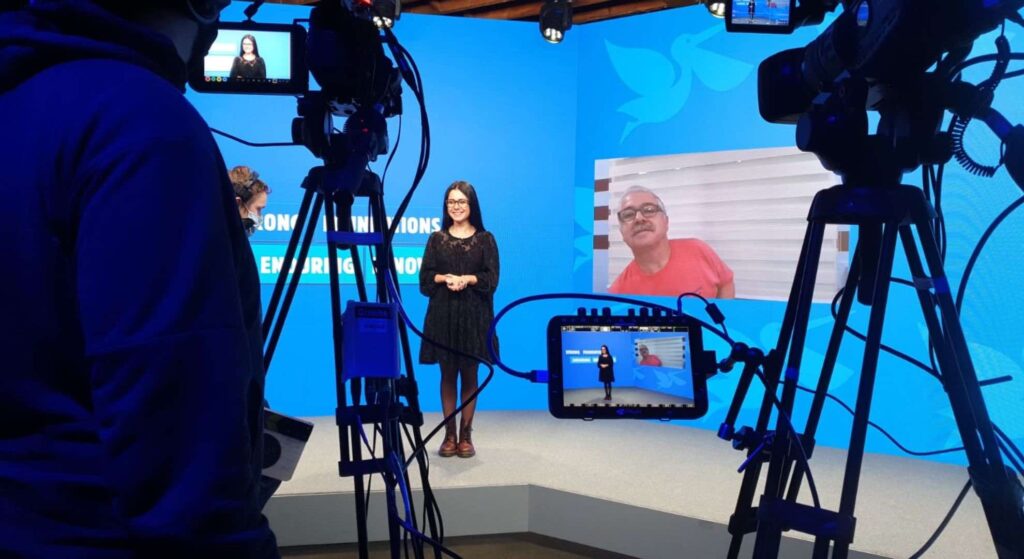
It’s important to consider the event budgeting pitfalls of not utilising event management technology, ultimately slowing down your event and limiting its success.
Without event management software to centralise planning, track tasks, and streamline communication, you’re likely to lose track of everything integral.
Using outdated or manual registration methods can also result in long check-in lines, lost attendee data, and a frustrating first impression.
Instead, prioritising modern-day technology, QR codes and other brilliant digital ticketing can keep things smooth as well as easy to track for ROI.
Making use of event apps, interactive polls, live Q&A, and gamification can also massively boost attendee participation and engagement during sessions, making it important to consider.
10. Chasing Trends Rather Than The Brand
There are a lot of big modern trends to consider when setting up an event, but not all of them might be aligned with your client’s company brand, message or preferences.
While they can have a great impact when done correctly, connecting with audiences on new levels, they can also be limiting if unnecessary.
Investing in high-tech, more costly trends—such as immersive experiences and holograms —without a strategic purpose can waste your budget without delivering value.
Instead, prioritise event elements that align with your business goals and audience expectations, tying things into your message for the ultimate impact.
What Tools Do I Need to Successfully Manage My Event Budget?
There are a lot of key tools and technologies to manage your event’s budget, but here are some of the most important to keep in mind:
- Registration and Ticketing Platforms
- Project Management Tools
- Event Apps To Capture Data
- Multi-Currency Payment Platforms
- RFID / NFC Integration
- Event Budgeting Software
- Spreadsheet Software
Other Things to Consider When Budgeting Your Event
That’s not all, either, as you’ll also want to consider these elements for the most concise event cost management:
- Failing to Adapt to Last-Minute Changes
- Neglecting Cultural Sensitivity
- Ignoring Event Analytics
- Not Considering Your Target Audience
- Taxes & Service Charges
- Sustainability Initiatives
- Accessibility and Inclusivity
- Failing To Reach Social Media Audiences
- Cancellation and Refund Policies
Work With Expert Event Managers
Budgeting is one of the most critical yet often overlooked aspects of event planning.
Whether you’re organising a small gathering or a large-scale conference budget, financial planning plays a crucial role in ensuring your event stands out without exceeding your budget.
By identifying and addressing potential budgeting pitfalls from hidden costs to scope creep, you can create an event that is both impactful and financially sustainable.
If you’re ready to take the stress out of event budgeting, our team is here to help.

Related Services:
- Event Production
- Event Management
- Event Design
- Set and and Stage Design
- Lighting and AV
- Themed Events
Events We Deliver:
See them all here.
Related Reading:
Get In Touch With Us Today.
With nearly 20 years of Event Management insight, working with world-renowned Clients we'll help you create your Dream Event.
Get in Touch