How To Utilise Event Technology In The Planning and Management Of Your Event
Event planning and management is the foundation of any event.
However, it’s not an easy skill to execute; events are intricate and involve a lot of moving parts that need to be planned and managed correctly to ensure a smooth running event with no mistakes.
From planning where and when your event is, how many attendees will be there and what will be included in your event to managing and adapting your event in real-time to ensure its success.
One error in any of these areas can have a catastrophic impact on your event. Therefore, any tool that can assist when planning your event is a good investment.
This is where event technology comes into play.
In this blog, we will discuss why you should integrate technology into your event planning, the benefits of doing so, what technology to use and what insight it can give you.
What Is Event Technology?
Event technology is any digital integration tool or platform used in events.
These integrations aim to enhance the efficiency of your event for all parties involved – everyone from the planner to the attendees.
In this instance, we are going to talk about how event technology can assist in the planning and managing of your event.
Related Blogs:
What Data Does Event Technology Give You?
Technology allows event planners to automate and streamline the planning and management of your event through the use of the data event technology gives you.
Event technology is one of the best ways of gathering valuable data about attendees – before, during and after the event – depending on which tools and platforms you implement.
So what tools should you implement? There are many to choose from, but some of the most significant tools and platforms for collecting data are:
- Registration/ticketing platforms
- RFID / NFC integration
- Bespoke event apps
- LIVE polling, surveys and Q&As
- Beacon technology
- Social media integration
- Data analytics and reporting tools (from the data these tools will give you)
Typically one platform will include several of the above.
Registration and Ticketing Platforms
Using a registration and ticketing platform gives you more than just the number of people attending your event.
When set up correctly, these platforms can give you very specific data on exactly what your audience is attending your event for.
When users sign up, you can ask specific questions to get insightful data which will help you massively in the planning of your event.
You can ask questions about the entertainment and attractions you are considering to bring to your or ask attendees to vote for topics through a polling system, for example, so you can plan your event to include the most popular ones.
You can ask what speakers they want to see at a conference, what topics they are interested in and more.
All of this data will give you key, actionable insight as to what you should plan for your event.
Post-event, registration data provides a range of valuable information to improve future events.
Registration platforms are on of the most powerful tools for gathering data for future events.
You’ll have a much clearer picture of your target audience by analysing who has signed up, you can compare the number of sign ups to the actual turnout, you can measure attendee engagement levels before, during, and after the event and much more.
If you need further insight, you can even ask attendees who signed up for feedback through surveys as you’ll have all of their information ready to contact.
Event Apps To Capture Data
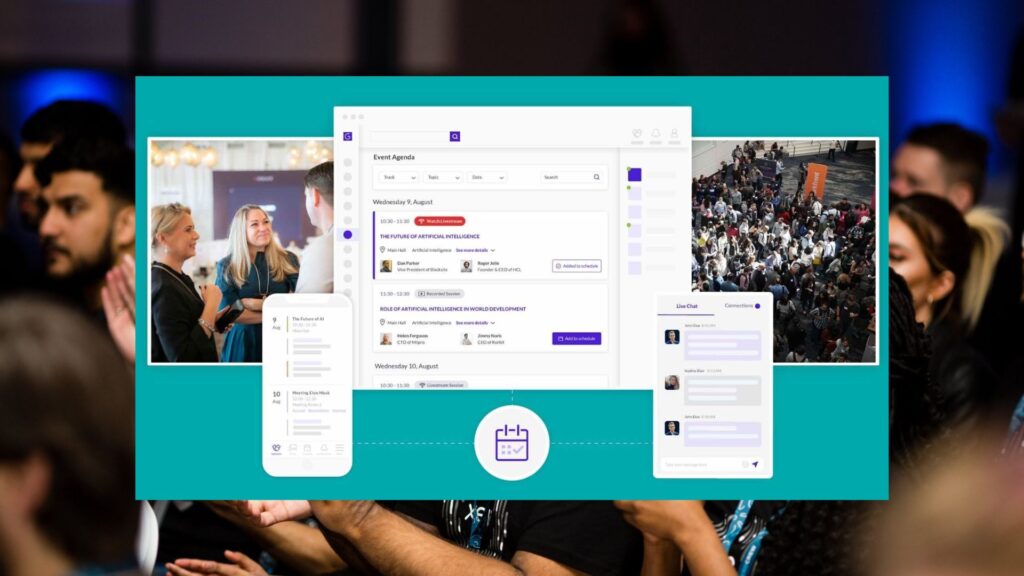
Using apps that integrate with events enhances attendee engagement and creates an easier event experience with easy access to event information, interactive maps, schedules, profiles of speakers and even event attendees, cutting-edge networking tools, live polling, social media integration and more.
Event apps also allow you to capture event data in real time.
For example, if you’re organising a conference, you can incorporate live polling within your event app that gives attendees a push notification to vote for questions in a Q&A section so you can choose the most popular ones, making for a more appealing and useful conference for attendees.
Post-event, you can use data from the event app too. For example, what parts of the event do people post about the most on social media on a particular hashtag or what areas were visited the most, which ones weren’t, which areas people networked in by sharing their contact information…there are so many data points you can gather.
More on what technology to incorporate into a conference.
RFID / NFC Integration
NFC (Near Field Communication) and RFID (Radio Frequency Identification) integration through wearable items, event apps or beacons allow you to track attendee interests – their behaviour patterns, and what they’re attracted to at your event by using a real-time heat map tool.
This gives you key data points on who is interacting with what at your event helping to identify key touchpoints.
For example, you can see how many delegates have attended certain talks at a conference, or you can see how delegates have interacted with attractions, entertainment and even each other in certain areas.
This is valuable information for event managers as they gain actionable insights to tailor their event content and activities in real-time.
Using Data For Future Events
What’s great about collecting data at your events is the ongoing insight it gives you.
All of the data you capture at your event can be used to optimise future events. If something works well, you know to include this at your next event. If not, you can discard or change it.
The data you collect allows you to tailor future events to better meet the needs of attendees and improve their overall event experience.
The Benefits of Using Event Technology When Planning and Managing Your Event
Event technology significantly improves and streamlines the planning and management of your event through all of the points covered above.
When Planning Your Event (Pre-Event)
When planning an event, you need the right information to make the right decisions around your event. As mentioned previously, this is one of the main benefits of event technology – the actionable data and insight it gives you.
From the number of attendees (so you can choose the right venue or event space), all the way down to their specific preferences (so you know what to include in your event).
You’ll have a very clear idea of what your audience is attending your event for, so you can ensure you create an event that appeals to them and fits the purpose.
It will guide your decisions in what entertainment and attractions they will like, what information they are looking for and what integrations will benefit your event audience.
Event management tools help you stay organised and on track with deadlines, and also improve communication between different parties involved in your event as well as the logistics around your event.
They can even help in organising the physical aspects of the event, such as layout, seating arrangements, and AV setups, all backed with data.
When Your Event Is Happening (Real-Time, At The Event)
Planning your event is one thing, but managing your event in real-time, as it’s happening is another.
You need a good picture of how your attendees are interacting at your event, as it’s happening. What’s working and what isn’t so you can adapt accordingly.
Integrating technology into your event gives you the opportunity to gather LIVE, real-time data from attendees, giving you accurate insight as to what appeals to them, what’s popular and what they want from your event.
If you can see attendees are engaging with specific parts of your event, but not others you can look at how you can improve the user experience in these high engagement areas.
You can even see heatmaps of where people are, in real-time, meaning you can avoid bottlenecks and queues before they happen.
For example, if you have a lot of people going to a specific presentation at your conference, you can put more staff in that area to guide traffic and open more areas.
Find out more about integrating technology into a conference
Choosing The Right Technology For Your Event
For the majority of event types, capturing attendee data will be a huge benefit. As covered, event technology vastly improves this.
However, different event types require different technologies.
Each have their own qualities that will benefit different events more than others.
For example, conferences will benefit more from mobile event apps that provide schedules, speaker information, and interactive maps than it will an influencer party.
Whereas fan zones may benefit more from AR, VR and MR Experiences than a gala dinner.
Choose what technology to implement based on the data you require to plan and manage your event.
Any event technology you consider should support and improve any aspect of your event – as a planner or attendee.
Book Julia Charles Event Management To Plan and Manage Your Event
We hope this blog has provided some insight! However, if you require an events agency to plan, manage and produce your event, we are here to help.
Julia Charles Event Management will help you harness the power of event technology, ensuring your event stands out for all the right reasons. Ensuring your event is a success for all involved.
We boast a team of experts dedicated to creating impactful and memorable experiences – take a look at some of the events we’ve put together using the services covered in this blog:
Event technology is just one area of event planning and management. Find out more about our event services below.
Related Services:
- Event Technology
- Event Apps
- Metaverse Events
- Hybrid Event Solutions
- Immersive Reality
- Video Production and Projection
- Virtual Event Solutions
Related Blogs:
Get In Touch With Us Today.
With nearly 20 years of Event Management insight, working with world-renowned Clients we'll help you create your Dream Event.
Get in Touch