How Successful Are Your Events? How Do You Know?
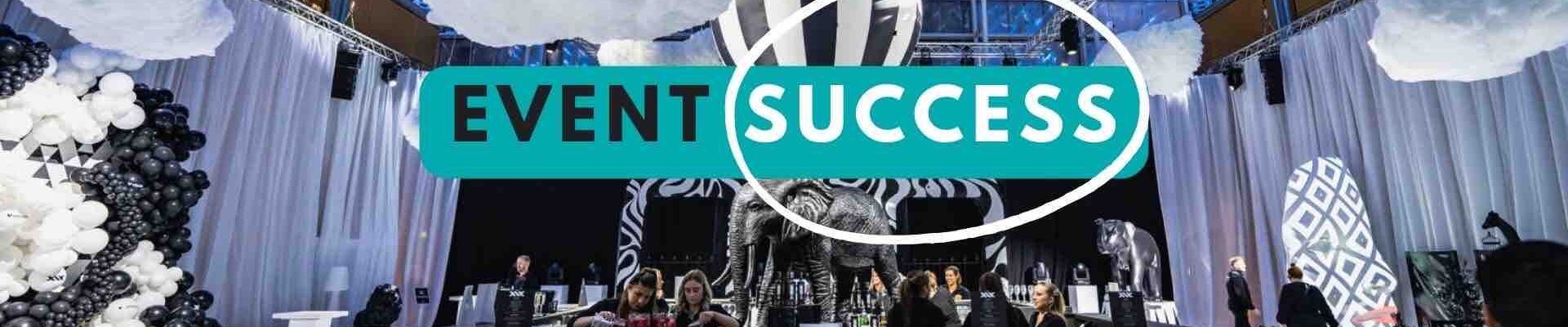
“Well, that conference went well! Everyone was having a great time!”
As the delegates wend their way home, how often do you hear event organisers (or maybe even yourself) taking a self-congratulatory attitude? It’s tempting at the conclusion of a conference, brand activation , or sales kick-off to pat yourself on the back. Overwhelmed by a sense of relief that it’s all over, it’s all too easy to accentuate the positive and brush aside where we fell short.
But – as the dust settles and the initial post-event euphoria dies away, realism and analysis will always be of greater value.
In the world of event planning, success is not merely a matter of pulling off a grand affair and taking in all the plaudits. What matters more is to adopt a cool head and measure how your event has measured up to the pre-defined goals (yours and your guests’).
In this guide, we’ll explore the intricacies of defining, measuring, and ultimately achieving event success, focusing on sustainability and the effective use of event technology. We’ll examine what it means for an event to be ‘successful’ and how we should analyse and assess that success.
We’ll also demonstrate how the best way to be sure your event is a success, whatever your goals might be, is to employ the services of a reliable and experienced event management team.
Enquire about our Event Services
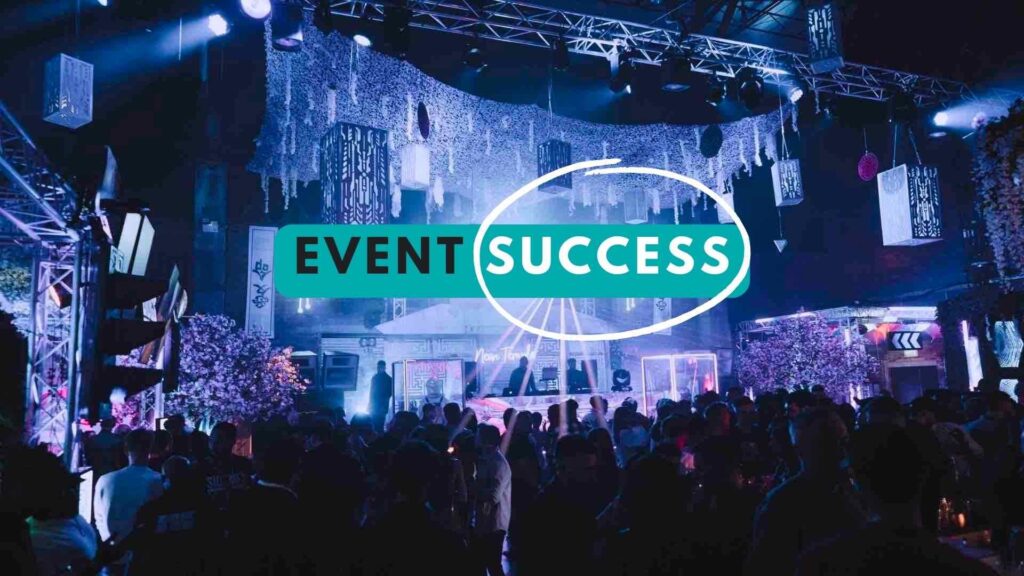
Setting Clear Event Objectives – The Foundation of Achievement
Before embarking on the journey of planning and executing an event, it’s crucial to establish a clear understanding of what constitutes ‘success’. In other words … define your objectives. This isn’t about chasing arbitrary numbers. It means aligning event objectives with the overarching goals of both the organiser and the client.
When defining success, we need to consider the following factors –
Clarity
Clearly articulated objectives provide direction and purpose throughout the planning process.
Measurability
Establish metrics that allow for quantifiable assessment of the event’s impact.
Achievability
Set realistic and achievable goals that align with the event’s scope and resources.
Relevancy
Ensure that objectives are directly connected to the event’s purpose and specific outcomes.
Time-bound
Set deadlines for achieving each objective to maintain focus and momentum.
Planning a kick-off soon? Take a look at our guide here.
Common Event Objectives
You might define the success of your event in many different ways. Examples could include –
Target Number of Attendees
Gauge the event’s reach and impact by aiming for a specific attendance target.
Engagement and Interaction
Measure the active participation and engagement of participants.
Session Attendance
Track attendance at different sessions to identify areas of interest and relevance.
Audience Participation
Active participation during sessions and activities signifies a successful event.
Revenue Generation
If applicable, assess the financial return from ticket sales and sponsorships.
Social Media Impact
Monitor social media shares, interactions, and mentions to gauge the event’s online presence.
If you have an upcoming conference take a look at our conference planning articles.
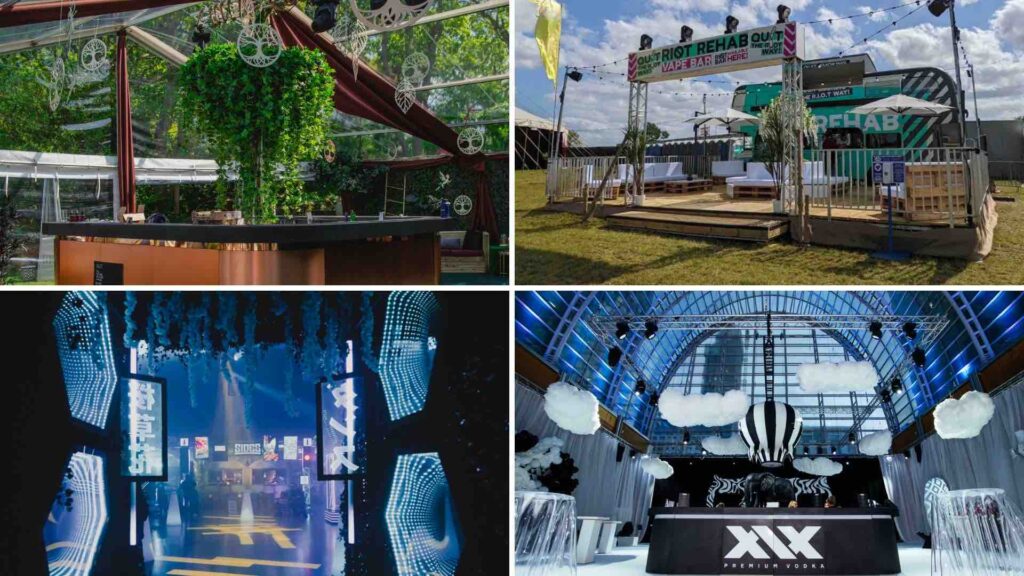
Event Sustainability – a Cornerstone KPI
In today’s eco-conscious world, event planning must extend beyond mere logistics to embrace sustainability. Increasingly, organisations appreciate how sustainable event management has to be one of the cornerstone KPIs of any event.
This means minimising the event’s environmental impact while maximising its positive impact on the community. The three key areas to measure are –
Carbon Footprint
Consider the event’s energy consumption and transportation options to reduce its carbon footprint.
Waste Reduction
Implement strategies to reduce waste, such as using sustainable materials and encouraging recycling.
Sustainability Integration
Incorporate sustainability principles throughout the planning process, from venue selection to catering choices.
Leveraging Technology for Enhanced Success
Event technology plays a pivotal role in measuring and achieving success. Regardless of the nature of your event, it will enable data collection, facilitate engagement, and streamline event management. You can make use of technology to measure the success of your event in several different ways –
Event Management Software
Use event management software to organise registration, track attendance, manage logistics, and analyse data.
Sign-up Tracking
Employ technology to track sign-ups, identify attendee preferences, and optimise event planning.
Social Media Integration
Integrate social media platforms into the event experience to enhance engagement and reach.
Event-specific Apps
Develop customised event apps to provide personalised experiences, push notifications, and facilitate networking.
Innovative Tech Solutions
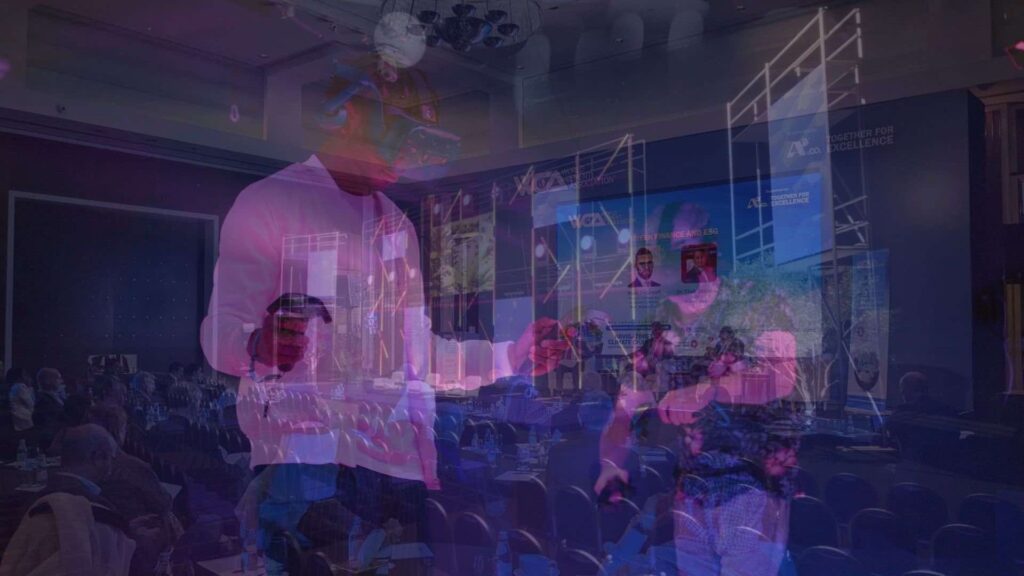
Explore innovative technologies such as augmented reality (AR), virtual reality (VR), and interactive event apps to captivate attendees.
Find out more about how event technology is transforming event sustainability.
Post-Event Assessment – Unveiling Insights
An invaluable way to make your event assessment as comprehensive as possible is via attendees’ feedback, analysing engagement levels, and evaluating financial performance. There are several approaches you can take –
Attendee Surveys
Conduct post-event surveys to gather feedback on satisfaction levels, identify areas for improvement, and gauge the overall event experience.
Post-Event Engagement
Monitor engagement levels after the event to gauge its lasting impact and identify opportunities to leverage its momentum.
Financial Performance
Assess the event’s financial return, identifying areas of cost optimisation and revenue generation opportunities.
Identifying Improvement Areas
Analyse feedback and data to identify areas that can be enhanced in future events.
Documenting Lessons Learned
Maintain a record of successful strategies and areas for improvement to inform future event planning.
Top Tip: Use an event app to record your event and give you live and post-assessment breakdowns.
Beyond Numbers: A Holistic Approach to Success
While numerical metrics are important indicators of success, event planning is not solely about numbers. It’s about creating a memorable and impactful experience that resonates with as many attendees as possible. Here are some additional factors that contribute to overall event success:
Visual Appeal
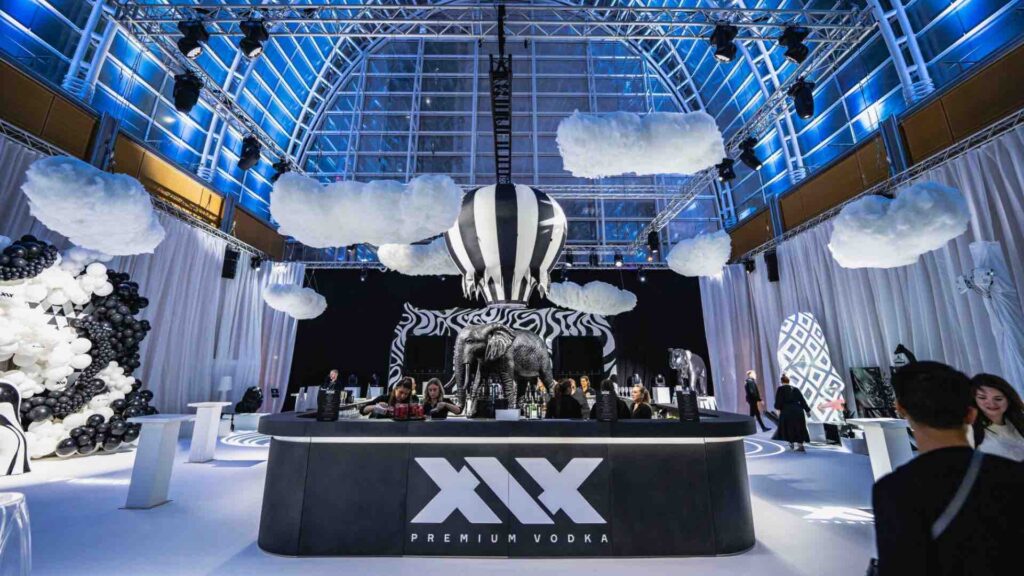
A visually appealing and well-designed event creates a positive first impression and enhances the overall experience.
Logistics
Smooth and efficient logistics ensure that the event runs smoothly without hiccups, contributing to a positive attendee experience.
Turnaround Time
A quick and efficient turnaround from planning to execution demonstrates professionalism and minimises potential stress or delays.
Client Satisfaction
Positive feedback from clients is a testament to the event’s success and ensures that they are likely to return for future events.
Overall Experience
The overall atmosphere and attendee experience should be engaging, informative, and memorable, leaving attendees with a positive impression.
Budget Management
Staying within budget while achieving event objectives is a crucial indicator of financial responsibility and planning efficiency.
By incorporating these factors into the event planning process, you can create a holistic approach to success that goes beyond mere numbers and ensures a truly memorable and impactful event.
Top Tip: Choosing an event theme will elevate the immersive experience for your guests.
Planning, Strategy and a Commitment to Improvement
Assessing and achieving event success is a multifaceted endeavour that requires careful planning, strategic execution, and a commitment to continuous improvement.
By following the guidelines we’ve outlined, you’ll be able to judge your event’s success or otherwise and understand the improvements you need to make your next event even more impactful.
The Julia Charles Event Management teams are skilled and knowledgeable event service providers. Why leave things to chance when you can be sure of success?
Make your next event memorable with Julia Charles Event Management.
Call us today, and let’s transform your event aspirations into reality.
Discover the secrets behind planning for a variety of event types:
Get In Touch With Us Today.
With nearly 20 years of Event Management insight, working with world-renowned Clients we'll help you create your Dream Event.
Get in Touch