Sustainability In The Events Industry

Sustainability is a big buzzword globally – it’s an area corporations, individuals and professionals are increasingly focusing on, looking for ways to improve this aspect of their operations.
With this increasing focus, events agencies must embrace sustainable practices to meet this demand.
This is an area the events industry can have a huge beneficial impact, in the types of events we organise and how we design, produce and manage them.
The challenge lies in balancing sustainability with the event experience – many worry that incorporating green initiatives could compromise the quality or experience of events, but this is far from the truth!
We have the opportunity to minimise environmental impact and implement sustainable practices in a way that doesn’t hinder, but can actually enhance the event experience.
By leveraging strategic planning at every stage of event production – from venue selection and catering to technology and design – agencies can achieve this.
In this blog, we will at some actionable strategies you as an events agency can implement:
- The environmental impact of events
- Current sustainability trends in the events industry
- Challenges of implementing sustainable practices in events
- The future of sustainability
- and more…
The Environmental Impact of Events
Events, especially large-scale productions, have a significant environmental impact, considering all aspects of the event including:
- Travel emissions
- Waste generation
- Food waste
- Energy use
- and more…
The impact can be substantial if not planned effectively.
From international conferences to high-profile gala dinners that attract attendees from around the world, these events can require intense logistics, extensive material use and high-energy consumption.
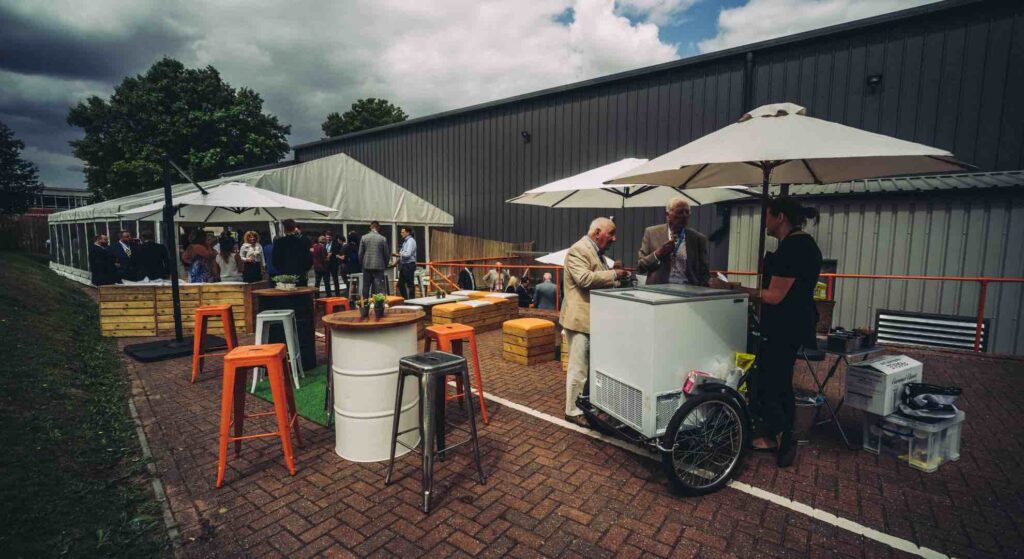
One of the most pressing issues in event sustainability is waste generation:
Single-use plastics, food waste, printed materials and non-recyclable elements of event production such as signage, banners and more, are some of the biggest culprits.
As event planners, choosing biodegradable materials, reducing single-use items and implementing recycling programs can significantly cut down waste production.
Another critical factor is energy and water usage; large venues require significant amounts of electricity to power lighting, AV equipment, air conditioning and catering services.
Without energy-efficient solutions, an event’s carbon footprint can be astronomical. For example, implementing LED lighting, renewable energy sources and smart energy management systems can drastically reduce resource consumption whilst maintaining a high production quality.
In summary, the critical factors are:
- Single-use plastics
- Food waste
- Printed materials
- Non-recyclable elements such as banners and signs
- Energy and water usage
Carbon Footprint
Travel, energy consumption, catering, waste generation and production materials involved in events can result in a significant carbon footprint.
To reduce the carbon footprint of the events we create, we can offer virtual attendance options – hybrid and virtual event formats significantly cut emissions by reducing the need for travel.
We can also promote the use of public transport by choosing a location that is easily accessible – in a city like London for example.
We can also offset carbon emissions, looking at reforestation incentives or carbon credit programs to balance emissions.
Carbon footprint encompasses many elements which we’ll touch on how to reduce in throughout this blog.
Waste Generation
Due to large numbers of attendees and the use of single-use materials and products, events can also come with a large amount of waste.
One area we can make a huge positive impact on the amount of waste generated at events is by implementing digital solutions, such as event apps, which reduces a reliance on paper.
Additionally, we can opt for materials that are recyclable or biodegradable for event signage and decorations to further reduce waste.
Energy Use
Large-scale events consume enormous amounts of water and electricity.
Being particular with your venue or event space choice makes a huge impact on reducing the environmental impact of events.
For example, by choosing venues powered by renewable energy sources such as solar or wind can drastically cut carbon emissions associated with lighting, heating and cooling.
Some venues also use smart energy management systems, which optimise electricity usage based on real-time demand, further reducing wasteful consumption.
For event planners, how we design event spaces can also have a huge positive impact.
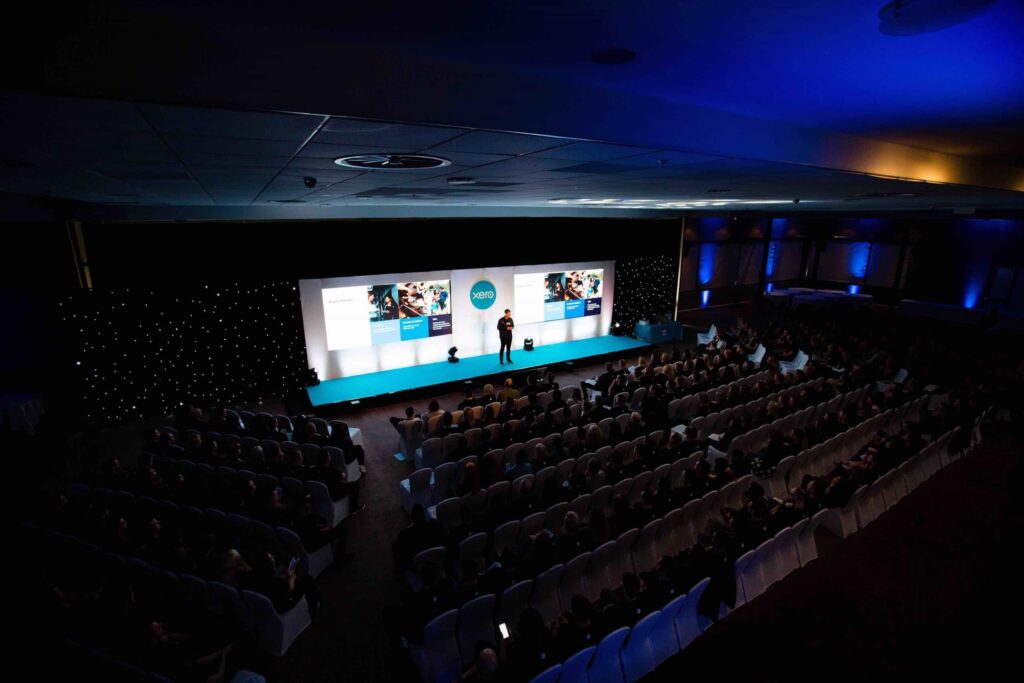
For example, LED lighting consumes up to 80% less energy than traditional lighting, without hindering production quality.
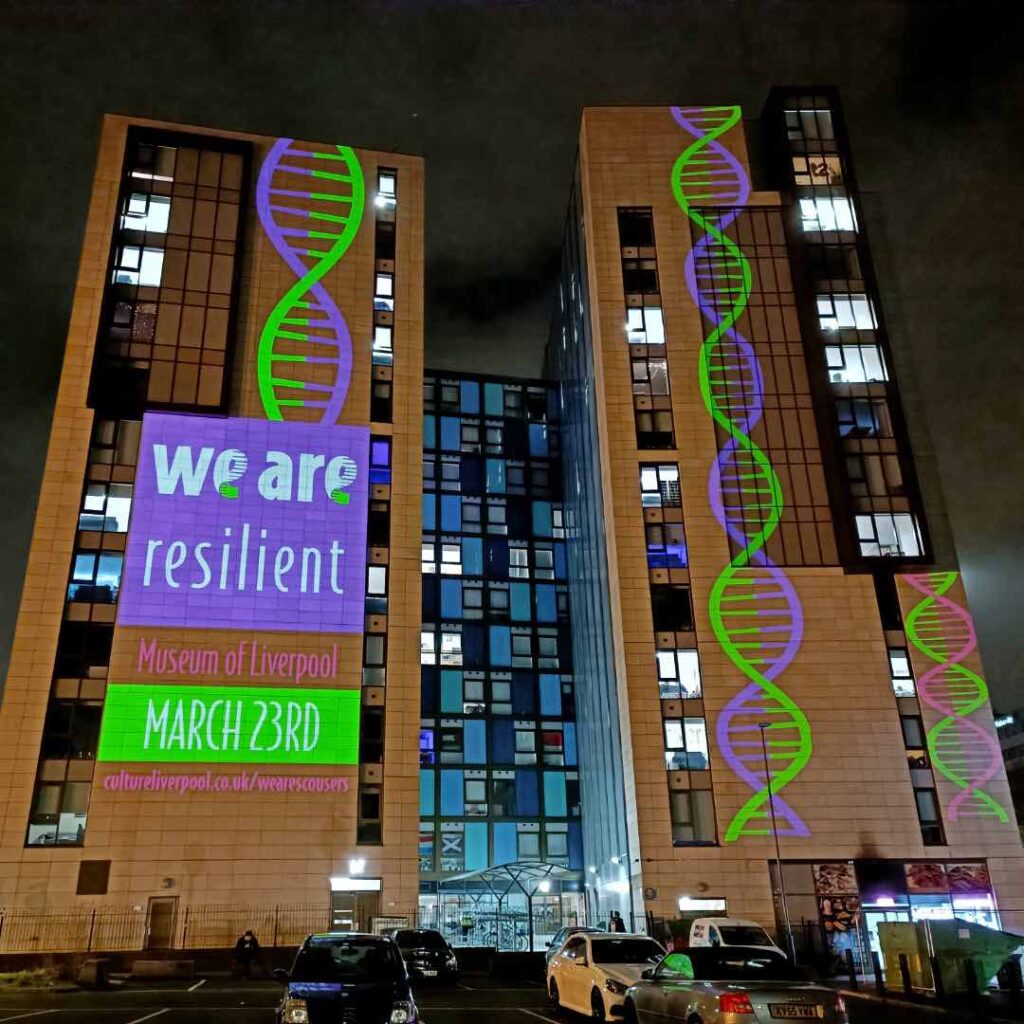
We can also opt for AV equipment and digital projection mapping in place of traditional printed backdrops, reducing both energy consumption and material waste.
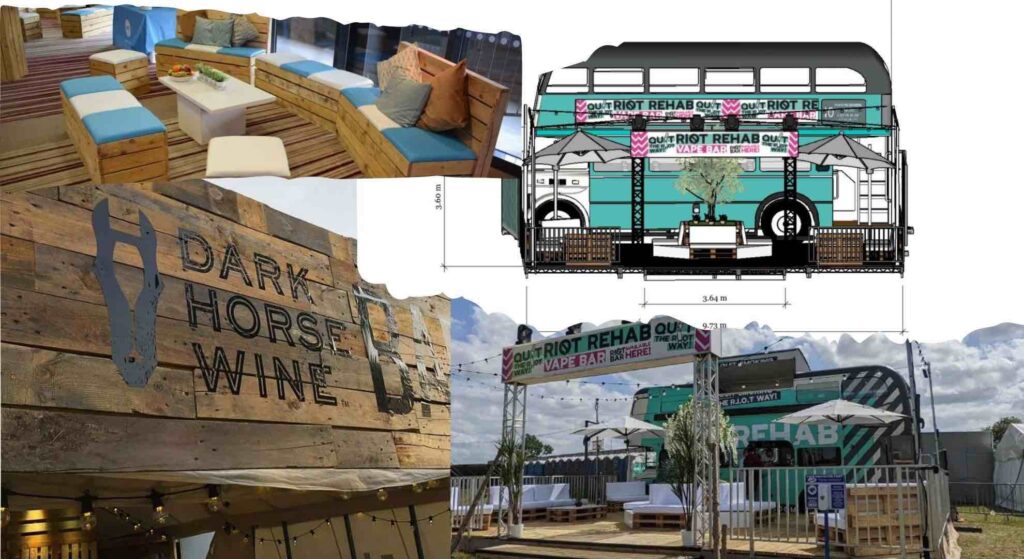
The set and stage designs we create can also be designed in a way to be modular – enabling them to be used multiple times for different purposes, cutting down on the use of single-use materials.
We’ve seen events get creative in how they generate energy too – for example, Coldplay use kinetic dance floors and energy-storing stationary bikes to power their tours, showing a unique way of reducing carbon footprint whilst making attendees feel part of the experience.
By incorporating innovative solutions like this, event planners can minimise their environmental impact but set new industry standards for sustainable event management.
In summary, to reduce your environmental impact, you can implement:
- Choosing venues powered by renewable energy sources.
- Opt for LED lighting.
- Use digital projection mapping in place of traditional printed backdrops.
- Modular set and stage design.
- Get creative with energy generation – for example, kinetic flooring.
Find out more about sustainable event planning.
Current Sustainability Trends in the Events Industry
As sustainability is in increasing demand with changes in priorities for corporations and individuals, sustainability within the events industry is rapidly evolving, with planners adopting innovative strategies to create eco-friendly experiences without compromising quality.
1. Eco-Friendly Venues
One of the most significant trends we see now is the shift toward green-certified venues.
This is a space where event planners can make a huge positive impact on the sustainability in their events.
Green venues prioritise energy efficiency, sustainable materials and carbon-neutral operations – all key elements of creating a sustainable event.
Choosing green-certified venues can significantly reduce an event’s carbon footprint.
2. Sustainable Catering
Sustainable catering is another growing trend, with a strong focus on locally sourced menus and reducing potential food waste through donation programs, food banks and more.
Food production and transportation account for a significant portion of an event’s carbon footprint, particularly when ingredients are imported from distant locations.

By choosing local suppliers, event planners can reduce the environmental impact, whilst supporting local businesses.
In addition, reducing food waste through donation programs, composting and efficient portion control ensures that events remain both environmentally and socially responsible.
Read more about sustainable event catering.
Event technology has a huge role to play in improving catering sustainability, which we’ll get into in our next point.
3. Event Technology for Sustainability
Advancements in event technology are also dramatically assisting event planning sustainability efforts.
The rise of hybrid and virtual events has significantly decreased travel-related emissions by allowing remote participation.
Hybrid and virtual set-ups make for a more engaging experience for all involved – you can incorporate streaming platforms, digital networking tools and virtual event spaces to make for a more unique and interactive experience, opening your event to a wider audience.
Meanwhile, digital solutions such as event apps, QR codes and virtual signage eliminate the need for printed materials, drastically cutting down paper waste.

Event technology is huge in planning sustainable events – helping all aspects of your event from the logistics side, getting accurate attendee numbers and incorporating innovative digital alternatives instead of traditional printed content.
Find out more about event technology solutions.
Challenges to Sustainability in Events and How We Can Overcome Them
Despite the growing trend in sustainability within the events industry, event professionals still face multiple challenges when implementing green practices.
As event planners, agencies and suppliers, we have the power to drive meaningful change in the industry.
1. Cost Concerns
Budgets are always a key focus for businesses, therefore one of the most common concerns in creating a sustainability focused event is the associated cost.
It is widely assumed that sustainability comes at a high cost, implementing the elements discussed such as sustainable materials, catering and more, making it difficult for planners to justify expenses.
However, the reality is that many of the sustainable solutions associated with creating a sustainable event actually benefit the end client with long-term cost savings.
For example, reducing printed materials, switching to digital signage and implementing energy-efficient lighting can lower operational costs significantly.
With the boost in reputation, clients may also see an increase in revenue associated in organising a sustainable event.
The key for event planners is making our clients aware of the cost benefits associated with organising a sustainability-focused event.
2. Supplier Limitations
Finding sustainable suppliers can also present a challenge, finding eco-conscious vendors who are reliable and affordable that align with sustainability goals.
This is where an established events agency comes into play – they can leverage existing partnerships and relationships which their end clients can benefit from.
For those operating in regions with limited options, educating and encouraging existing suppliers to adopt greener practices can also work by integrating sustainability requirements into vendor contracts.
By working with vendors and venues that align with sustainability goals, event professionals can create a ripple effect that encourages widespread industry adoption.
3. Client Expectations vs. Reality
Another challenge is managing client expectations while implementing sustainability initiatives.
High-end events are often associated with elaborate decor, premium catering and energy-intensive experiences, which can sometimes conflict with sustainability goals.
The key is to educate clients on alternative solutions that maintain luxury without unnecessary waste.
For example, instead of printed branding materials, planners can use LED digital displays…instead of imported floral arrangements, they can opt for seasonal and locally grown flowers.
By demonstrating the value of sustainable choices, event professionals can shift mindsets and gain client buy-in.
Furthermore, we can showcase the impact of creating a sustainable event by measuring and reducing carbon impact.
We can use carbon tracking tools to calculate emissions and further demonstrate the benefit, enhancing their brand’s reputation.
The Future of Sustainability in the Events Industry
As sustainability continues to be a key priority for businesses and consumers alike, the events industry will continue to advance at a rapid pace in this area.
More companies are now getting on board with ESG (Environmental, Social and Governance) goals, prompting a shift toward greener practices at every stage of event planning.
Innovations to Watch
One of the most exciting advancements in sustainable events is the rise of AI-driven event planning.
This technology has impacted all industries and the events industry will be no different.
AI-powered tools can optimise event logistics, reduce waste and streamline travel arrangements to minimise carbon footprints in a fraction of the time.
Additionally, innovations in biodegradable materials, zero-waste catering solutions and carbon offset programs are making it easier than ever for event professionals to host eco-friendly experiences.
- AI-powered event planning tools optimise resource use and logistics.
- Zero-waste event models focus on reducing waste at every stage.
- Smart venues with built-in sustainability tracking improve event performance.
Industry Shifts
Another major shift is the increasing demand for regulatory standards within the industry.
Certifications such as ISO 20121 (Sustainable Event Management) and BREEAM (Building Research Establishment Environmental Assessment Methodology), previously discussed in this blog, are becoming more widely adopted, ensuring that sustainability is not just an afterthought but a fundamental pillar of event planning.
As more event professionals embrace these standards, we can expect a future where sustainability is not just a goal but is a standard expectation.
- Stricter environmental regulations are pushing companies to adopt greener event practices.
- Clients and attendees are demanding more transparency in sustainability efforts.
Book a Sustainable Event With Julia Charles Event Management
We hope this blog has provided some key insights into the environmental impact of large-scale events and the innovative solutions available to reduce their footprint.
From the high carbon emissions linked to travel and venue energy use to the waste generated by single-use materials, it’s clear that event professionals must take deliberate action to drive meaningful change.
By exploring eco-friendly venue choices, energy-efficient event production and sustainable supplier partnerships, we can collectively improve the sustainability of our events.
As event planners, we have the opportunity to set new standards, educate clients and implement long-term solutions that shape a greener, more responsible future for the events industry.
If you’d like to find out more about the sustainable measures we can bring to your events, you can get in contact with a member of the events team.
Related Services:
- Sustainable Event Services
- Event Management
- Event Technology
- Event Production
- Set and Stage Design
- Lighting and AV
- Venue Finding
Related Blogs:
- Sustainable Event Branding: The Beginner’s Guide
- The Challenges Businesses Face When Measuring the Carbon Footprint of Events
- How Can Event Technology Make My Event More Sustainable?
- How To Run a Sustainable Conference
- 10 tips for Sustainable Corporate Christmas Events | Guide
- Creative Event Furniture – From bespoke pallet design to sustainable solutions
- How To Reduce Carbon Emissions At Your Event
- Why Sustainability Matters: Exploring Its Vital Role In The Events Industry
- Sustainable Catering Options
Get In Touch With Us Today.
With nearly 20 years of Event Management insight, working with world-renowned Clients we'll help you create your Dream Event.
Get in Touch