How Event Management Agencies Coordinate Multiple Suppliers

A large event may involve a venue, caterer, production company, entertainment, staging, lighting, security, transport, photographers and numerous specialist contractors.
Each supplier may be experienced in their own area. However, that does not automatically mean their separate plans will work together.
Successful event supplier coordination connects every schedule, requirement and responsibility. It ensures suppliers have the information they need, understand how their work affects others and know who can make decisions when circumstances change.
This coordination is one of the most important responsibilities of an experienced event management agency.
Key Takeaways
- Suppliers Cannot Work in Isolation: Their timings, access and technical requirements frequently depend on one another
- One Coordinated Plan Reduces Risk: A central schedule and clear responsibilities prevent gaps, clashes and duplicated work
- Live Management Remains Essential: Even a detailed plan requires an experienced team to respond to changes on the event day
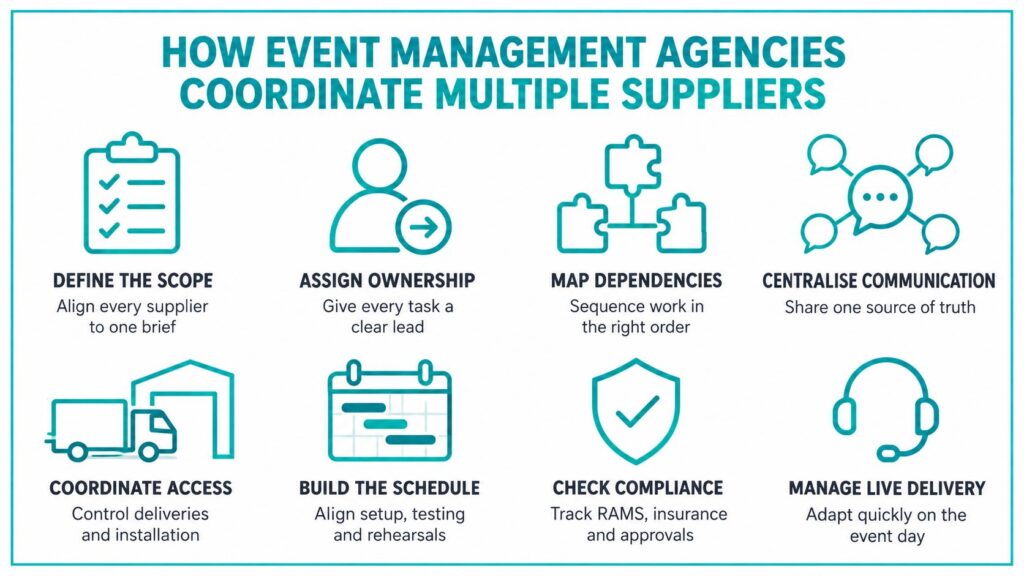
Table of contents
- Key Takeaways
- What Is Event Supplier Coordination?
- Why Does Managing Multiple Event Suppliers Become Complicated?
- How Do Event Management Agencies Coordinate Suppliers?
- 1. Establish the Complete Event Scope
- 2. Assign Clear Responsibilities
- 3. Identify Supplier Dependencies
- 4. Create a Central Communication Structure
- 5. Coordinate With the Venue
- 6. Build a Master Production Schedule
- 7. Align Technical Requirements
- 8. Check Documentation and Compliance
- 9. Hold Pre-Production Meetings
- 10. Plan for Supplier Changes and Delays
- What Happens on the Event Day?
- How Does an Event Agency Simplify Supplier Management for the Client?
- When Should You Use an Agency to Coordinate Event Suppliers?
- Event Supplier Coordination FAQs
- Coordinating Your Event From Concept to Completion
What Is Event Supplier Coordination?
Event supplier coordination is the process of organising the responsibilities, information, schedules and dependencies of every company contributing to an event.
It begins during planning and continues through procurement, production, installation, live delivery and de-rigging.
An event management agency acts as the central point connecting the client, venue and suppliers. This helps turn several independent services into one coordinated event.
Why Does Managing Multiple Event Suppliers Become Complicated?
Supplier management becomes complicated because one company’s work can affect the timing and success of several others.
A staging supplier may need to finish construction before lighting fixtures can be positioned. The lighting team may then need to complete programming before performers can rehearse.
Catering teams require access to kitchens and service areas, while photographers need clear sightlines. Security may need final guest numbers, access plans and entertainment schedules before confirming staffing positions.
A change to one element can quickly affect:
- Venue access
- Delivery times
- Production schedules
- Power requirements
- Rehearsals
- Catering service
- Guest movement
- Staffing levels
- Health and safety documentation
- The live running order
Coordinating suppliers means understanding these relationships rather than managing every booking as a separate task.
Discover More → Managing And Producing LIVE Events
How Do Event Management Agencies Coordinate Suppliers?
1. Establish the Complete Event Scope
Supplier coordination begins with a clear understanding of the event’s objectives, audience, format and practical requirements.
The event management agency identifies which services are required and how they fit into the complete experience. This may include creative design, venue styling, technical production, entertainment, catering, staffing and transport.
Defining the complete scope early helps prevent important responsibilities from being missed or assumed to belong to someone else.

2. Assign Clear Responsibilities
Every requirement should have a named owner.
An event manager establishes who is supplying, installing, operating and removing each element. They also identify who will approve decisions and who should be contacted if something changes.
This is particularly important where responsibilities overlap. For example, the venue may provide basic power, while the production supplier distributes it across the event space.
Clear ownership prevents suppliers from duplicating work or discovering too late that a necessary task has not been assigned.
3. Identify Supplier Dependencies
A supplier dependency occurs when one team cannot begin or complete its work until another action has taken place.
Common dependencies include:
- Set construction before lighting installation
- Stage approval before technical rehearsals
- Power distribution before AV testing
- Guest registration before catering numbers are finalised
- Entertainment schedules before sound checks
- Room dressing before final photography
- Venue approval before equipment deliveries
An experienced agency maps these relationships and builds the schedule in the correct order.
4. Create a Central Communication Structure
Without a central structure, the client can become responsible for answering questions from numerous suppliers who may hold different versions of the event information.
A skilled and dedicated event manager provides a clear route for communication. Relevant updates can then be checked and shared with everyone affected.
This does not mean copying every supplier into every conversation. Each team should receive the information relevant to its responsibilities without creating unnecessary confusion.
A central point of contact also gives the client greater control over approvals, changes and budget decisions.
5. Coordinate With the Venue
The venue influences almost every part of event delivery.
The agency confirms practical information such as:
- Supplier access times
- Loading and parking arrangements
- Lift and doorway dimensions
- Rigging restrictions
- Available power
- Noise limits
- Fire and evacuation procedures
- Security requirements
- Storage areas
- Installation and de-rig deadlines
This information is distributed to suppliers early enough for them to adapt their plans.
A creative idea may appear straightforward until access restrictions, weight limits or installation times are considered. Early venue coordination allows these issues to be resolved before they become expensive problems.
Find Out More → Selecting the Perfect Venue

6. Build a Master Production Schedule
A master production schedule brings supplier timings into one controlled document.
It may cover:
- Equipment deliveries
- Supplier arrival times
- Installation stages
- Technical testing
- Catering preparation
- Performer calls
- Rehearsals
- Final inspections
- Guest arrival
- Live event timings
- De-rigging and collections
The schedule should account for the order in which work must happen, not simply the time each supplier would prefer to arrive.
It should also allow enough time for delays, testing and corrections. A schedule with no breathing room may look efficient but can become fragile when one delivery runs late.
This production document works alongside the live event running order, which controls what happens once the event begins.
7. Align Technical Requirements
Technical information must be reviewed collectively.
Entertainment, speakers, content creators and production suppliers may all require sound, lighting, screens, staging, power or internet access. If these requirements are assessed separately, they can result in incompatible equipment or insufficient infrastructure.
The agency brings these requirements together with the event production team.
This allows questions to be resolved before arrival:
- Is the stage large enough for the performance?
- Can every presentation format be supported?
- Are enough microphones available?
- Does the venue have sufficient power?
- When can performers complete sound checks?
- Who is supplying and operating each technical element?
The objective is to ensure that every supplier is working within one production plan.
Discover More → How To Plan An Event: The 8 Stages
8. Check Documentation and Compliance
Professional supplier management also includes confirming the required documentation.
Depending on the event and venue, this may include:
- Contracts
- Public liability insurance
- Risk assessments
- Method statements
- Equipment certificates
- Food safety information
- Performer riders
- Vehicle details
- Staff accreditation
The event management team tracks what has been received, what remains outstanding and which documents require venue approval.
Collecting this information early reduces delays during installation and helps the venue understand exactly who and what will be entering the site.
Need Help Choosing Your Agency? → How to Choose a London Event Agency: What to Look For
9. Hold Pre-Production Meetings
For a complex event, sending a schedule is not always enough.
Pre-production meetings allow key suppliers to review the plan together, identify conflicts and confirm their understanding of the event.
These discussions may cover:
- Final timings
- Access and installation
- Changes to the brief
- Technical interfaces
- Rehearsals
- Safety responsibilities
- Communication channels
- Contingency arrangements
This gives suppliers an opportunity to raise issues while there is still time to solve them.
10. Plan for Supplier Changes and Delays
Supplier coordination must include contingency planning.
Deliveries can be delayed, equipment can fail and guest numbers can change. An experienced event manager identifies where the schedule is most vulnerable and establishes suitable alternatives.
This might involve replacement equipment, backup contacts, adjusted installation sequences or alternative entertainment timings.
The aim is not to predict every possible problem. It is to ensure the team knows who can make decisions and how the wider event will be protected if something changes.
What Happens on the Event Day?
On the event day, the agency checks that suppliers arrive, install and test their services according to the agreed plan.
The event management team communicates with the venue and supplier leads, monitors progress and updates the schedule when necessary.
During the live event, this may include:
- Calling rehearsals and performances
- Coordinating catering with speeches
- Confirming room changes
- Managing technical transitions
- Monitoring guest movement
- Approving schedule adjustments
- Resolving supplier questions
- Protecting the client from operational interruptions
Guests should experience one coherent event rather than the work of numerous separate companies.
The more effortless an event appears, the more coordination is usually happening behind the scenes.
Discover More → Behind-The-Scenes Event Production: From Empty Venue to Live Event

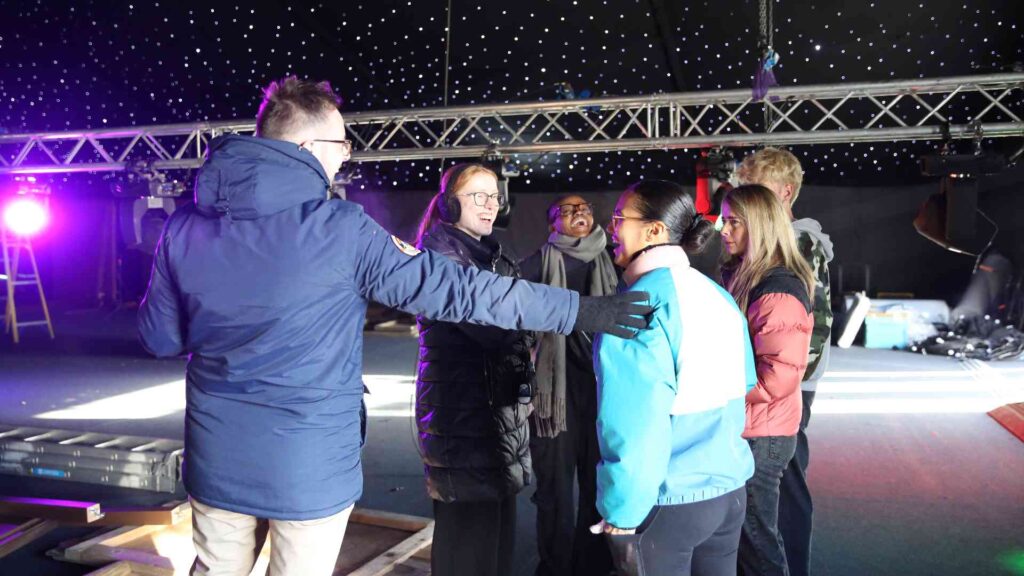
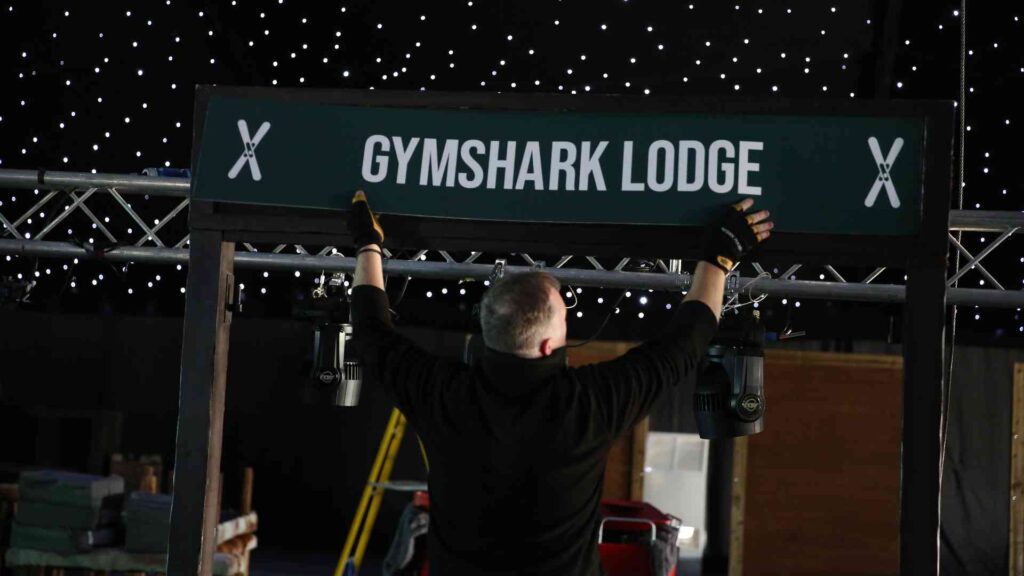
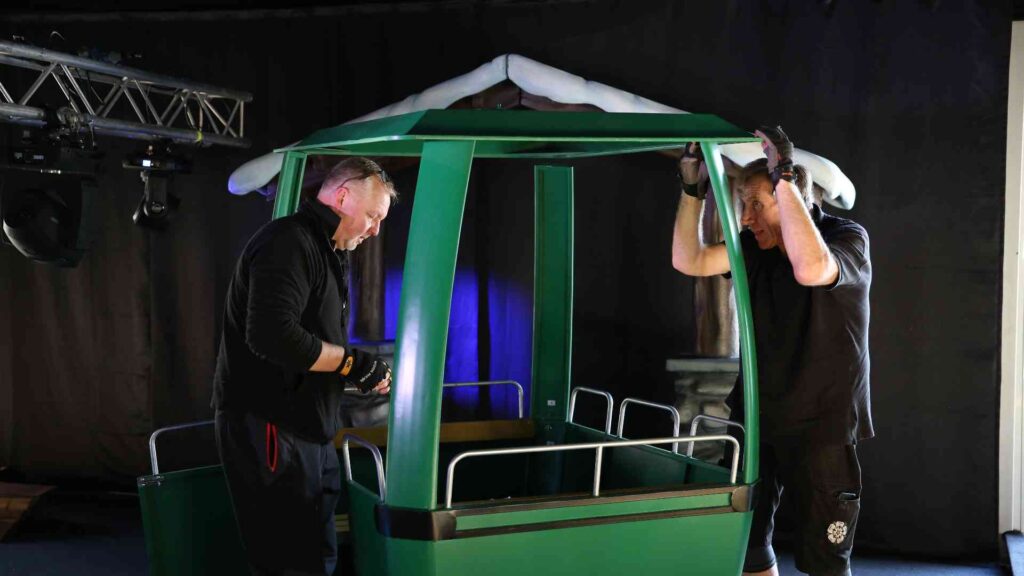
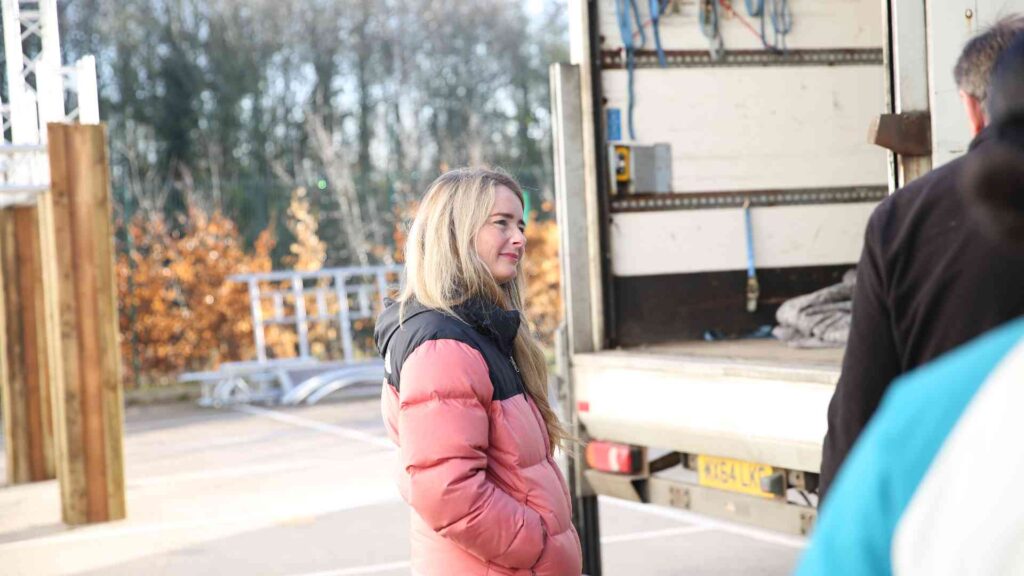
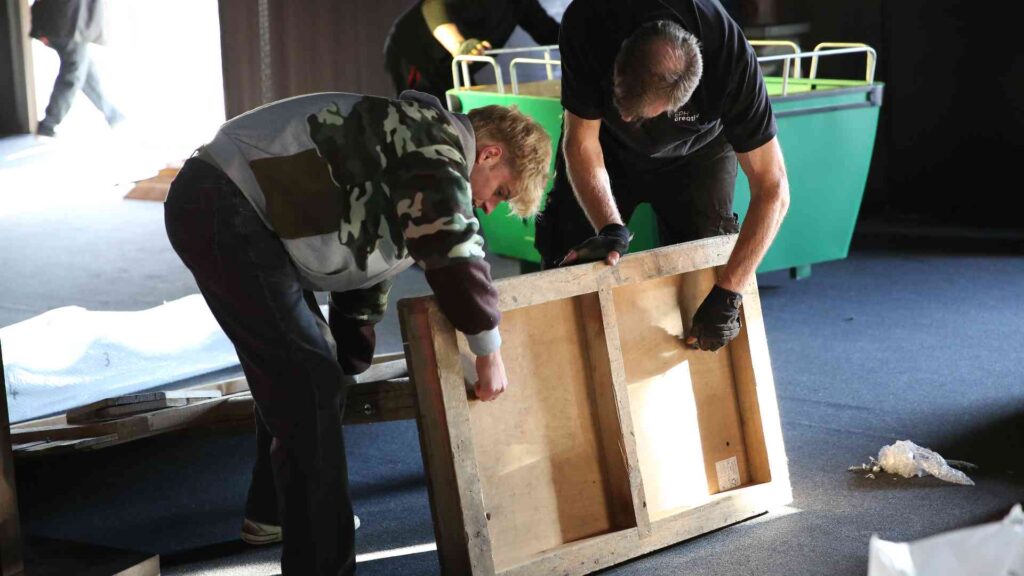
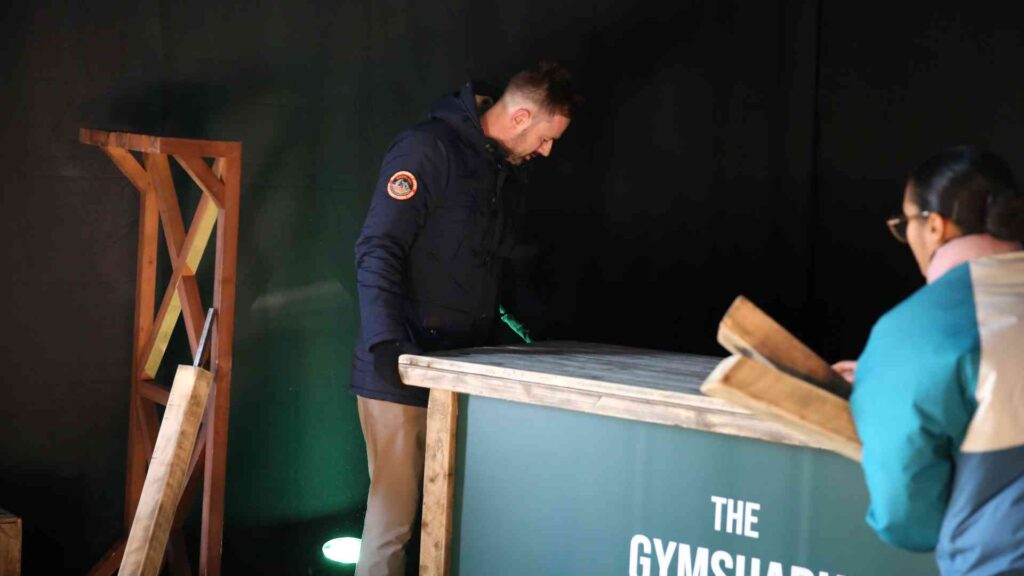
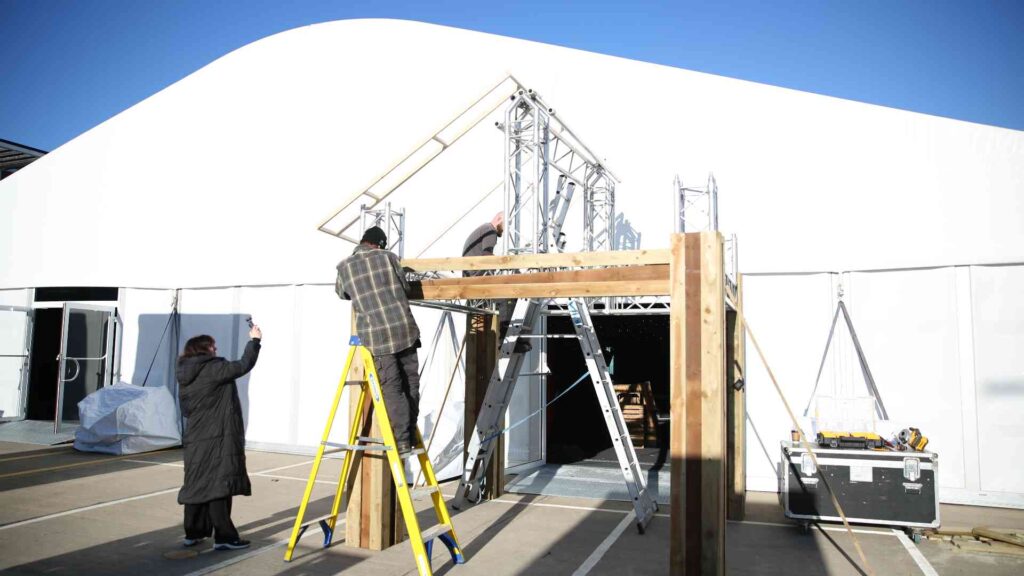
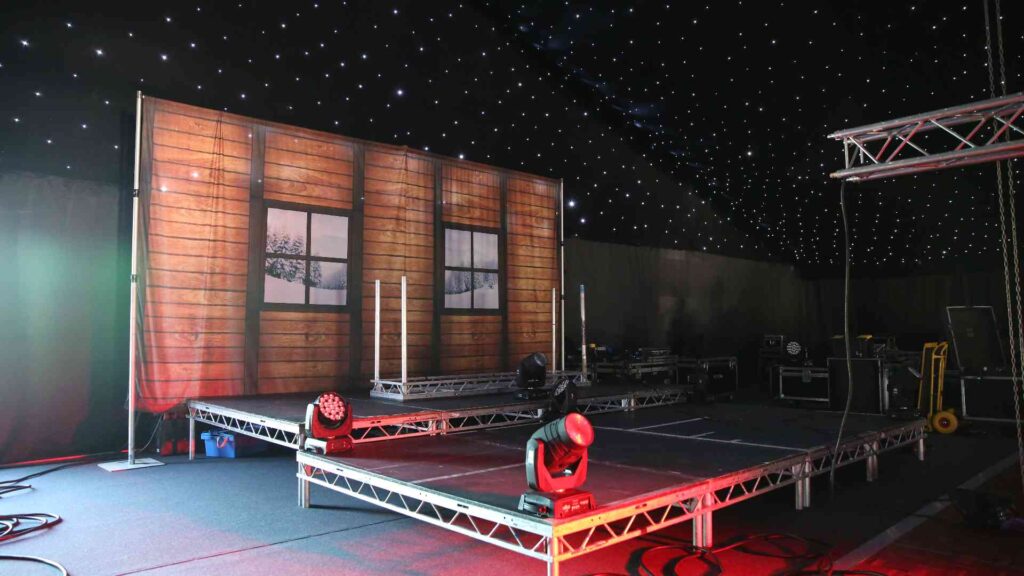
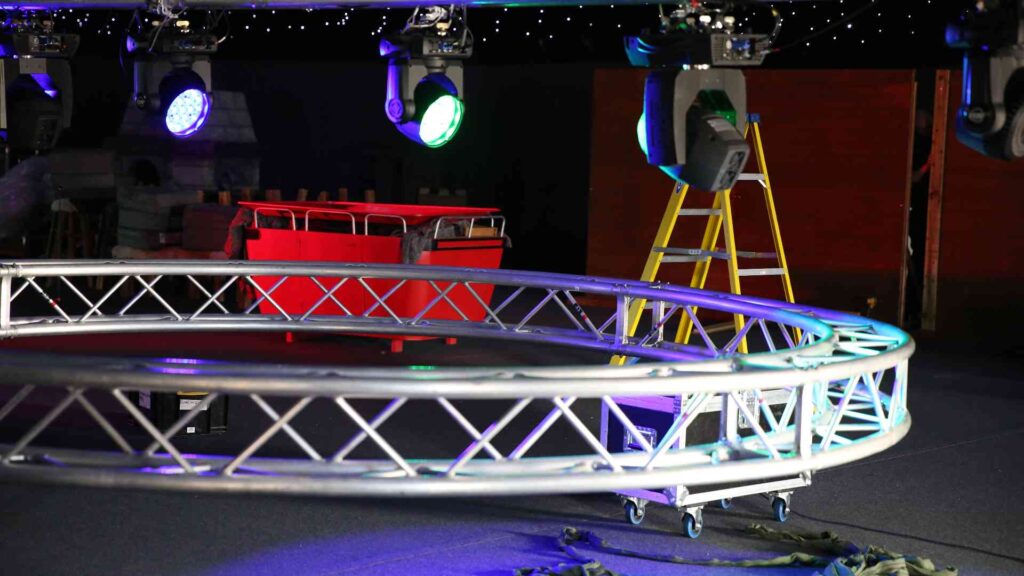
Love these behind-the-scenes shots? Check out the finished event here → Gymshark Christmas Party
How Does an Event Agency Simplify Supplier Management for the Client?
An event agency gives the client one central team responsible for the complete plan.
Instead of separately briefing and updating every supplier, the client can communicate objectives and approvals through their event manager.
A full-service agency may also simplify event procurement by consolidating quotations, purchase orders, contracts and payments.
Supplier coordination and procurement are closely related but not identical. Procurement controls how services are appointed and purchased. Coordination controls how those services work together to deliver the event.
Learn More → How to Simplify Corporate Event Procurement with a Full-Service Event Agency
When Should You Use an Agency to Coordinate Event Suppliers?
Professional event supplier management becomes particularly valuable when:
- Several specialist suppliers are involved
- The venue has restricted installation times
- Technical production and entertainment must integrate
- The event includes multiple rooms or guest journeys
- The internal team has limited event experience
- Senior stakeholders require a polished live programme
- There are complex safety or documentation requirements
- The consequences of delays are commercially significant
A small meeting with a venue and one catering supplier may not require an external agency.
However, as the number of suppliers and dependencies increases, central coordination becomes increasingly important.
Don’t Forget → Top 10 Questions To Ask Your Events Agency Before Booking a Conference
Event Supplier Coordination FAQs
Who is responsible for coordinating suppliers at an event?
Responsibility should be assigned to a named event manager or project lead. For professionally managed events, the agency usually coordinates suppliers while keeping the client informed of decisions and approvals.
What information should event suppliers receive?
Suppliers should receive the event brief, venue information, access instructions, relevant schedules, technical details, key contacts, safety requirements and any information affecting their delivery.
What is an event production schedule?
An event production schedule is a detailed operational timeline covering deliveries, supplier arrivals, installation, testing, rehearsals, live delivery and de-rigging.
How many suppliers can an event management agency coordinate?
There is no fixed limit. The appropriate management structure depends on the number of suppliers, event scale, venue complexity and how closely the services depend on one another.
Does an event agency pay suppliers on the client’s behalf?
A full-service agency may contract and pay suppliers as part of a consolidated service. The exact arrangement should be confirmed within the agency’s proposal and booking terms.
Coordinating Your Event From Concept to Completion
Managing multiple event suppliers requires more than sending each company an arrival time.
It requires a complete understanding of the event, clear ownership of responsibilities and a schedule built around supplier dependencies.
Julia Charles Event Management provides event management and production support for corporate events across the UK and internationally.
Our team can coordinate the creative, technical and operational elements of an event, giving clients one central point of contact from the initial brief through to live delivery.

Related Reading
Get In Touch With Us Today.
With nearly 20 years of Event Management insight, working with world-renowned Clients we'll help you create your Dream Event.
Get in Touch