How To Choose The Perfect Corporate Stage Setup
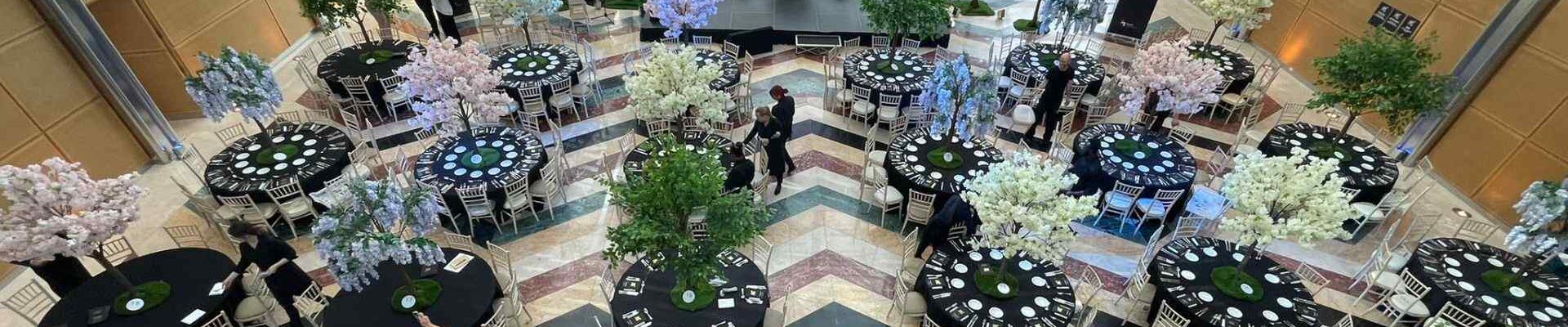
When it comes to corporate events, a stage is more than a platform. It’s the focal point of your entire event – shaping how your message is delivered, how your audience engages and how your brand is remembered.
The right corporate stage setup sets the tone immediately, whether you’re hosting a conference, sales kick-off, workshop, gala, or product launch.
As an event design and production agency that has produced stages for global brands, we know that no two events are the same.
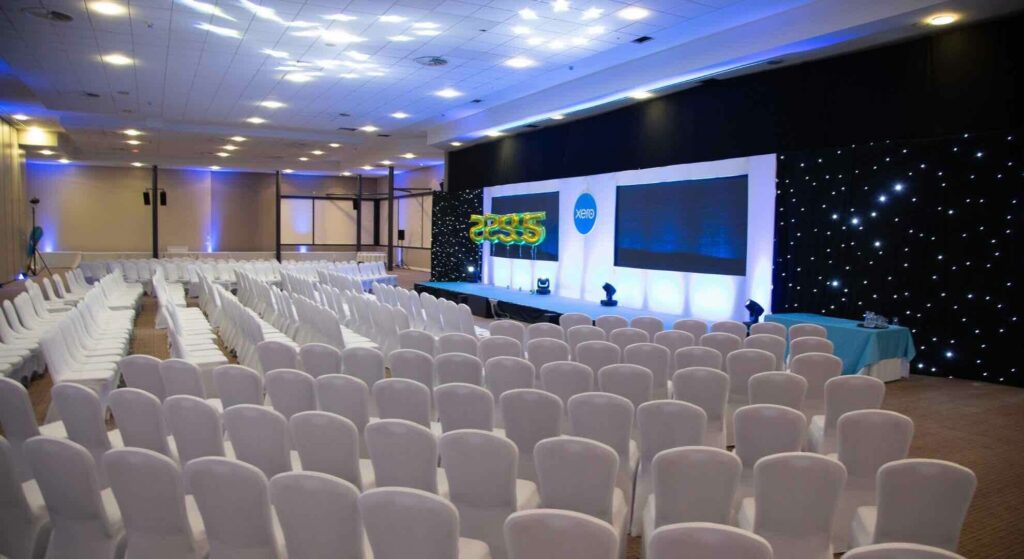
Your stage needs to work for your goals, not against them. So, in this blog, we’ll not only guide you through the key elements of choosing the perfect stage setup, but also support your wider conference planning questions – particularly around event design, AV and production.
Having delivered conference staging and corporate event staging for global brands across multiple venues, we understand how small design decisions can dramatically affect impact.
This blog builds on our guide, ‘Top 10 Questions to Ask Your Events Agency Before Booking a Conference’
This connects directly with the topics discussed here – especially when it comes to understanding design considerations, creative expectations, and the level of production support you should expect from your agency.
Table of contents:
Key takeaways:
- How to align your stage design with your event goals
- The most effective corporate stage layouts and when to use them
- Budget-conscious ways to maximise impact
- How AV, branding, and bespoke content elevate stage design
Understanding Your Event Goals
As with any successful event, everything starts with clarity.
Before designing a stage, we focus on one thing: purpose. The most effective corporate stage setups are rooted in clear event goals and audience needs, including your conference budget.
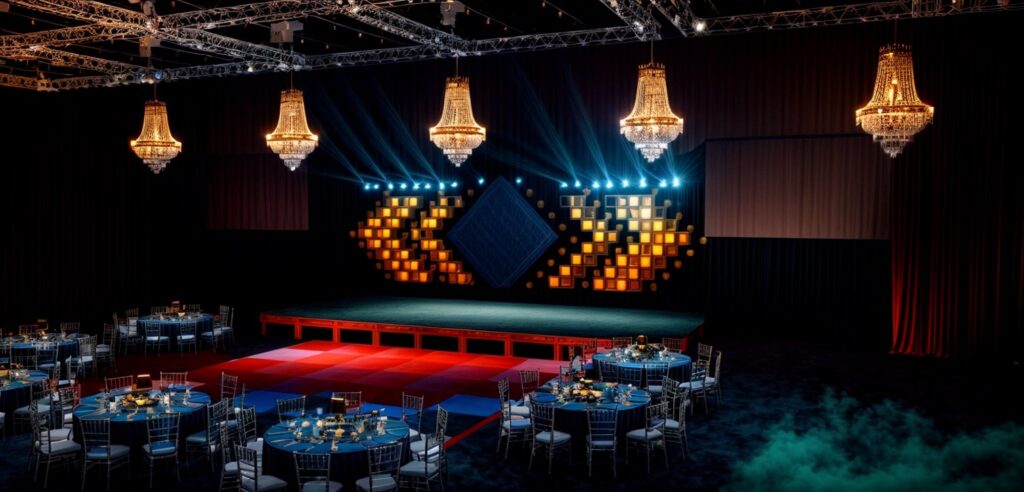
Why are event goals important when choosing conference staging?
Because your event goals determine how the stage should function – from layout and technology to sightlines and speaker flow – ensuring the staging actively supports your message rather than distracting from it.
Know Your Audience Size and Venue
Audience size and venue type shape every stage decision, including height, layout, screens and lighting.
Small venues can better suit low-profile stages or modular sets, whereas larger venues such as auditoriums can require raised conference stages, multiple screens and more complex lighting to be successful and give the desired function and appearance.
The format of your event matters too. For example, hybrid audiences influence camera positions, lighting angles and stage layouts
Think About Your Event Format
Different session formats place different demands on your stage and technology:
- Keynotes
- Panel discussions
- Workshops
- Product demonstrations
- Awards or gala presentations
Each requires a tailored layout to support speakers, content and audience engagement.
What stage setup works best for panel discussions or workshops?
Panel discussions benefit from open, conversational layouts with comfortable seating, clear sightlines and integrated microphones, while workshops work best with flexible, modular staging that encourages interaction, movement and audience participation.
Align With Your Branding and Messaging
Your stage is the visual anchor of your event space and a live expression of your brand.
Effective corporate event staging should reflect your tone – whether formal, dynamic, creative, or inspirational – through:
- Colour palettes
- Materials
- Shapes
- Lighting styles
- Digital content
Strong event design connects your message with your audience before a single word is spoken.
Find out more about our set and stage design services.
Stage Layout and Design Options
Once your goals are clear, the next step is choosing the right stage layout.
Below, we break down the most common conference staging solutions and when to use them.
Traditional Stage Setup
The traditional stage remains a popular choice for corporate events requiring a polished, professional, and focused setting.
It provides a clear focal point for your audience, making it ideal for keynote presentations and formal ceremonies. With the right lighting, branding, and AV, even a simple stage can feel high-impact.
What does a traditional stage setup look like?
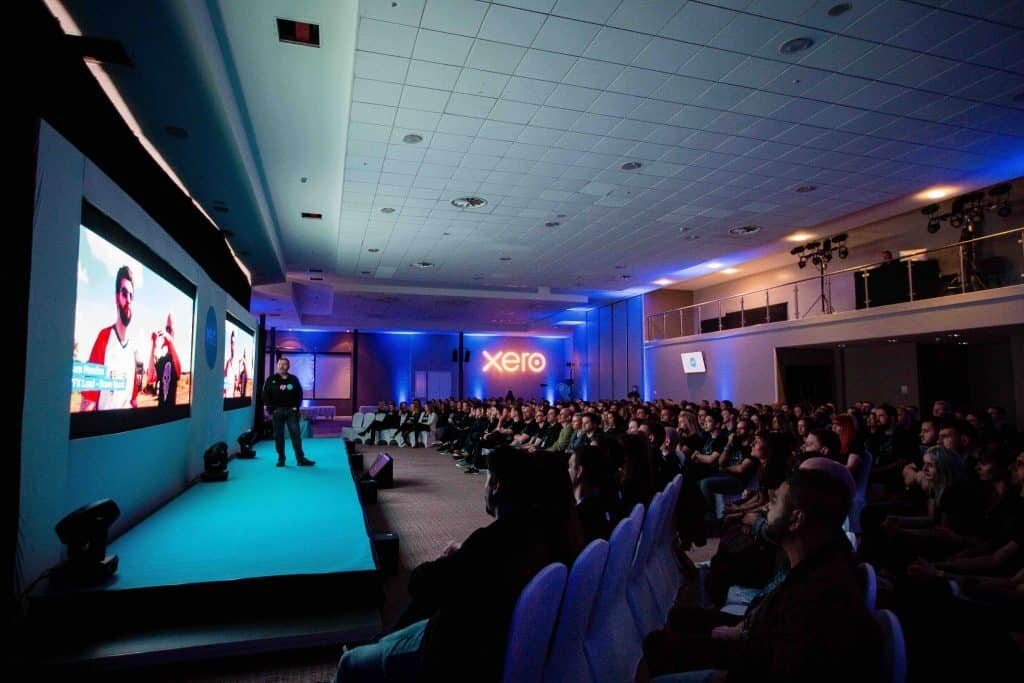
A traditional corporate stage setup typically includes a raised platform, central lectern, and branded backdrop.
- Raised platform with a central podium or lectern
- Wide LED screens or projection backdrops
This type of stage is perfect for:
- Conferences, annual meetings, formal briefings, high-level leadership meetings
Budget considerations:
- One of the most cost-effective stage options
- Modular builds allow reuse across multiple events
- Custom features can elevate the design without overspending
Theatre-Style or Panel Stages
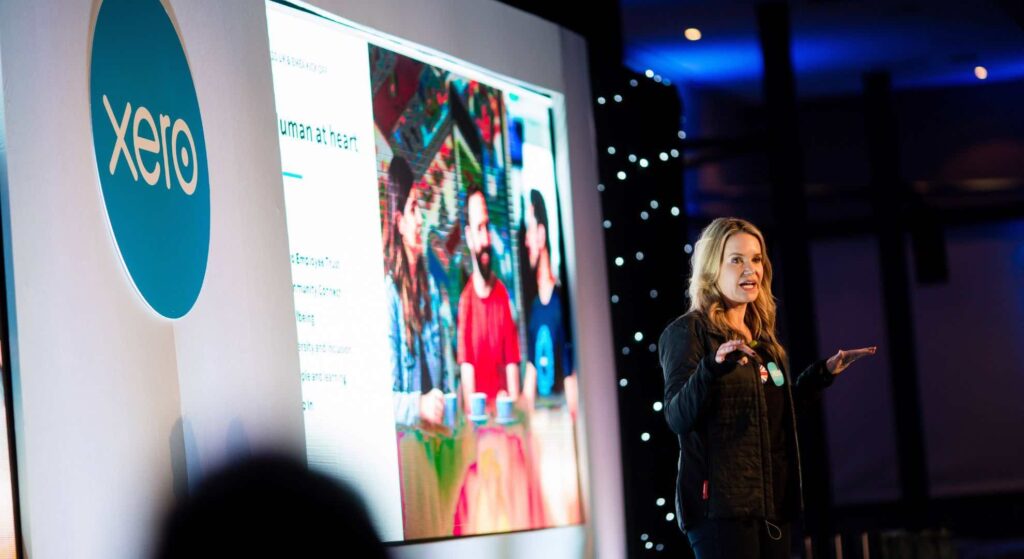
This style of conference staging works particularly well for discussion-led sessions.
This layout encourages conversation and audience engagement while maintaining a polished, professional appearance. Thoughtful seating, lighting and branding ensure all speakers are visible and comfortable.
A typical theatre-style or panel stage setup may include:
- Sofas or stools for panellists
- Side tables and water stations
- Branded backdrops or digital screens
- Even lighting across multiple speakers
Best for:
- Panel discussions, fireside chats, Q&A formats
Budget considerations:
- Modular furniture and digital backdrops keep costs controlled
- Bespoke panels or creative touches enhance flagship events
Interactive or Modular Stages
Interactive and modular stages are designed for flexibility and engagement.
They adapt easily to different session formats, allowing stages to be reconfigured for workshops, demos, or hybrid content throughout the day.
In corporate event staging, modular staging is popular because it maximises flexibility while keeping costs controlled, allowing one setup to serve multiple purposes without the expense of fully bespoke builds.
- Flexible stage heights
- Moveable modules
- Dedicated demo or breakout areas
Best for:
- Product launches, tech showcases, and experiential sessions
Budget considerations:
- Modular designs offer excellent value
- Bespoke features such as curved LED walls can deliver impact within budget
Round or Open Stages
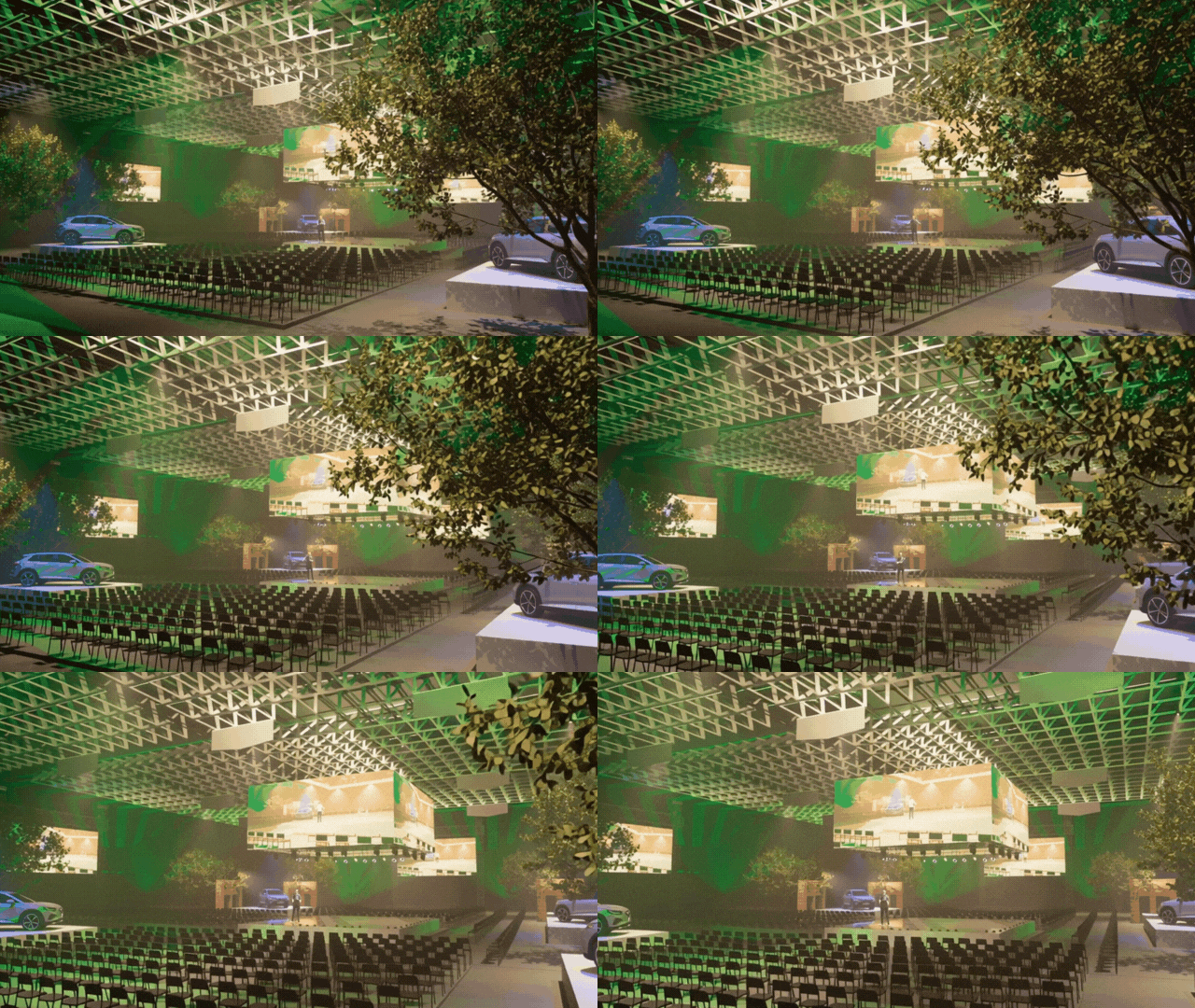
Round or open stages place the audience around the presenter, creating a strong sense of inclusion and energy.
These immersive layouts offer 360-degree visibility and dynamic filming angles, making them particularly effective for hybrid events.
- Strong audience engagement
- Improved visibility from all angles
- Excellent hybrid and broadcast capabilities
For example, take a look at the 360-degree stage we designed below. We can design stages specific to your needs and requirements – find out more on our event design page.
Best for:
- Modern conferences, brand activations, product launches, TED-style presentations
Budget considerations:
- Modular circular stages offer mid-range solutions
- Fully bespoke builds deliver standout moments for flagship events
Are round stages suitable for large conferences?
Yes, with careful AV, sightline and camera planning, round stages can work effectively at scale, ensuring presenters are well-lit, audio remains consistent, and live or broadcast feeds capture the experience clearly from every angle.
Multi-Stage Environments
For large conferences or venues with multiple zones, multi-stage environments significantly enhance the attendee experience.
They allow sessions to run simultaneously while maintaining energy and choice throughout the day.
- Main stage: Keynotes and headline sessions
- Lounge stage: Interviews, sponsor content
- Workshop pods: Hands-on learning
- Demo bays: Product or tech showcases
Budget considerations:
- Invest in bespoke design for the main stage
- Use modular builds for secondary spaces to control costs
AV Considerations
AV plays a critical role in how effective conference stages perform: a visually impressive stage relies on strong audio-visual planning.
Furthermore, effective AV ensures every attendee, whether in the room or online, can see, hear and engage seamlessly.
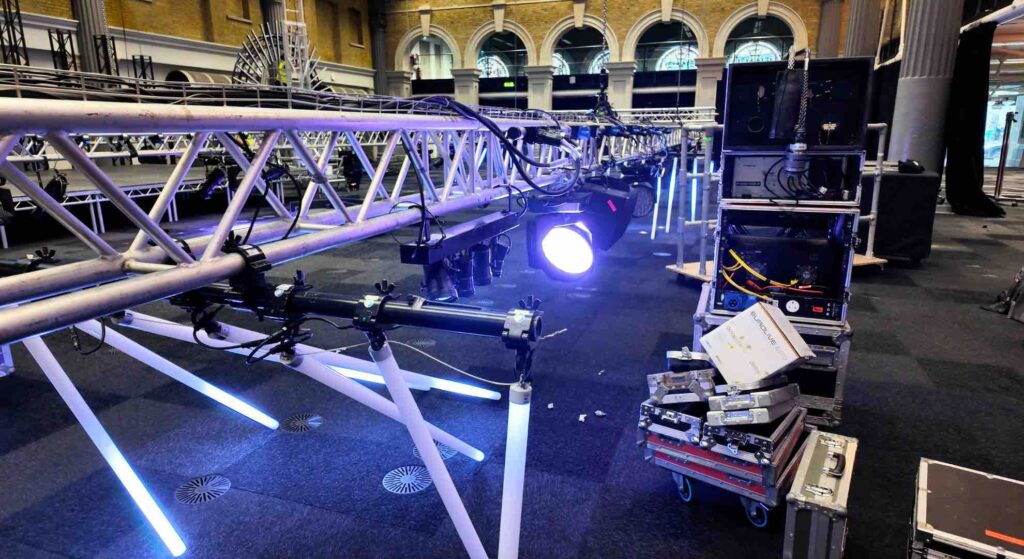
Screen placement and visuals
Visibility is key and a large part of this comes from well-placed screens, LED walls or projection setups ensure every audience member can follow presentations, slides and videos without strain.
Proper placement not only improves audience engagement but also ensures your corporate branding is seen clearly from every angle:
- LED walls for crisp, high-resolution content
- Side screens for large venues or obstructed views
- Projection mapping where LED isn’t practical
- Camera-aligned screens for hybrid events
Microphone types
Choosing the right microphone enhances clarity and interaction.
Matching microphone type to session format ensures smooth communication and avoids distracting technical issues:
- Lapel mics: Ideal for keynotes
- Handheld mics: Perfect for Q&A and interaction
- Headset mics: Best for high-energy presenters
Lighting design
Lighting sets the stage and good design highlights speakers, enhances filming quality and contributes to the overall mood of the event:
- Focused lighting highlights speakers without glare
- Even lighting for panels
- Colour and intensity set the event mood
Well-planned lighting is key to creating corporate event staging impact, making every moment visually striking and memorable.
Hybrid technology integration
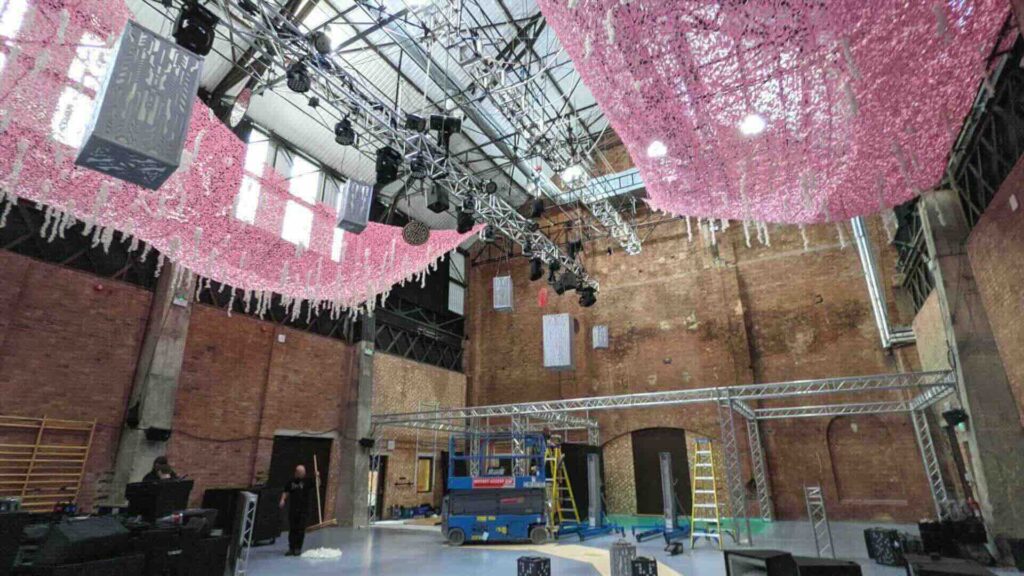
With hybrid events being increasingly common, AV setups must support both in-person and remote audiences:
- Multi-camera setups
- Live streaming feeds
- Remote presenters and live captions
- Seamless content switching
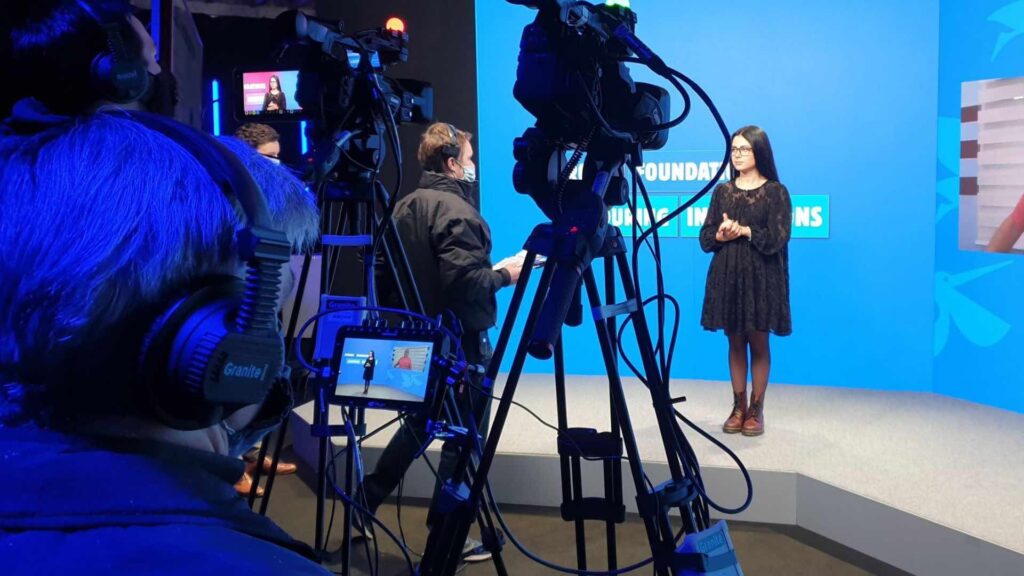
Hybrid technology should be considered at the same time as stage design, not added later.
By integrating hybrid technology from the start, you ensure that every participant experiences the event as intended, regardless of location.
Branding and Visual Impact
A stage is a live representation of your brand. Every colour, texture, and digital element contributes to how your event and company are perceived.
Effective corporate stage setup blends branding, AV, and content into one cohesive visual experience.
Backdrops, banners and digital screens
Backdrops and digital displays anchor the stage and reinforce messaging:
- Dynamic digital content via LED screens
- Printed branding for consistency
- Strategic placement to maintain clean sightlines
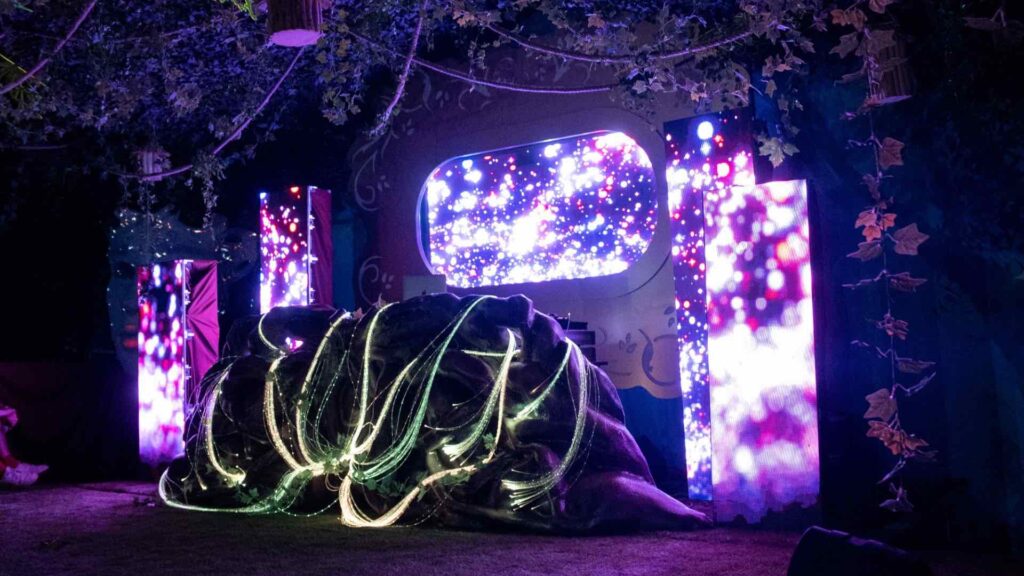
Digital options also enable content updates during multi-session events, reducing printing costs while maintaining a fresh look.
Colour schemes, textures and materials
The choice of colour, texture, and materials helps set the tone for your event:
- Minimal finishes for conferences
- Rich textures for gala events
- Themed elements for brand activations
Materials, finishes, and colour palettes can all reinforce the event’s atmosphere, even on a tight budget, while maintaining a high-end, professional appearance.
Sponsor branding
Incorporating sponsors is important, but cluttered stages can distract from the main content.
Effective sponsor integration includes:
- Side panels or step-and-repeat graphics
- Digital overlays for sponsor visibility
- Clean placement to avoid clutter
Maintaining clear sponsor placement helps protect brand hierarchy, ensuring your main messaging and key visuals remain the focus.
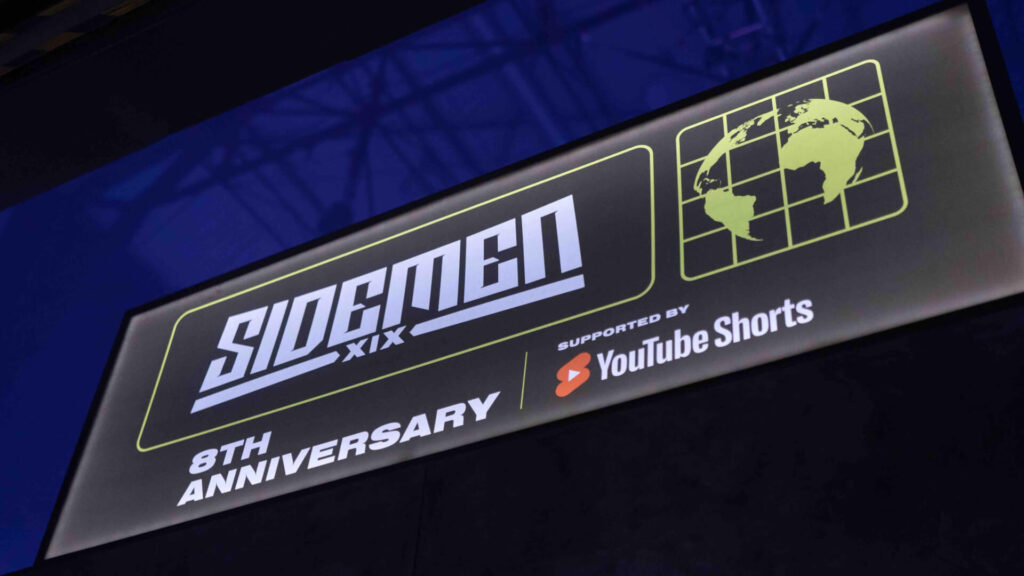
Bespoke content creation
Bespoke content ensures that every moment on stage feels intentional and immersive, while highlighting your brand identity and engaging your audience.
Custom content can elevate your stage from impressive to unforgettable:
- Custom motion graphics
- LED animations
- Branded slide templates
- Digital storytelling elements
Overall, strategic branding and visual impact transform a stage into a fully immersive experience.
By combining backdrops, screens, materials, colour schemes, sponsor integration and bespoke digital content, your corporate stage communicates professionalism, creativity and your brand’s story at every glance.
Find out more about our set and stage design services.
Book a Conference With Julia Charles Event Management
We hope this blog has provided some valuable insight into choosing the perfect corporate stage for your event.
Whether you’re planning a large-scale corporate conference, leadership summit, sales kick-off, or hybrid event, Julia Charles Event Management delivers expertly designed, seamlessly produced conferences from concept to completion.
Our team provides end-to-end conference management, combining creative event design, stage and set production, AV and lighting, delegate management, and cutting-edge event technology.
Whether you need a bold flagship stage, a multi-stage conference environment, or a cost-effective modular solution, our producers and designers ensure your event runs flawlessly and leaves a lasting impression.
We covered:
- How to choose the right corporate stage setup
- Which conference stages suit different formats
- Budget-conscious staging solutions
- The role of AV and branding
Find out more on our conference event services page or get in contact with a member of the events team below.

Related services:
Related blogs:
- Conference trends 2026
- Actionable wellness integration tips for conferences
- 5 conference strategies to ensure your event stands out
- How to use personalisation and micro-experiences to elevate your conference
- Top 5 creative conference themes 2025
- 10 ways to elevate your conference
- 10 unique and fun conference ideas to liven up your event
- What technology to incorporate into a conference 2026
Get In Touch With Us Today.
With nearly 20 years of Event Management insight, working with world-renowned Clients we'll help you create your Dream Event.
Get in Touch