What are the Key Aspects of Successful Event Production?

Event production can be massively complex – a multifaceted and intricate process that holds the key to delivering exceptional and memorable experiences.
If your event is to be as successful as you need it to be, you need to appreciate that every detail will contribute to shaping that success.
Let’s look closely into the fundamental aspects of successful event production, providing you with an in-depth understanding and actionable insights.
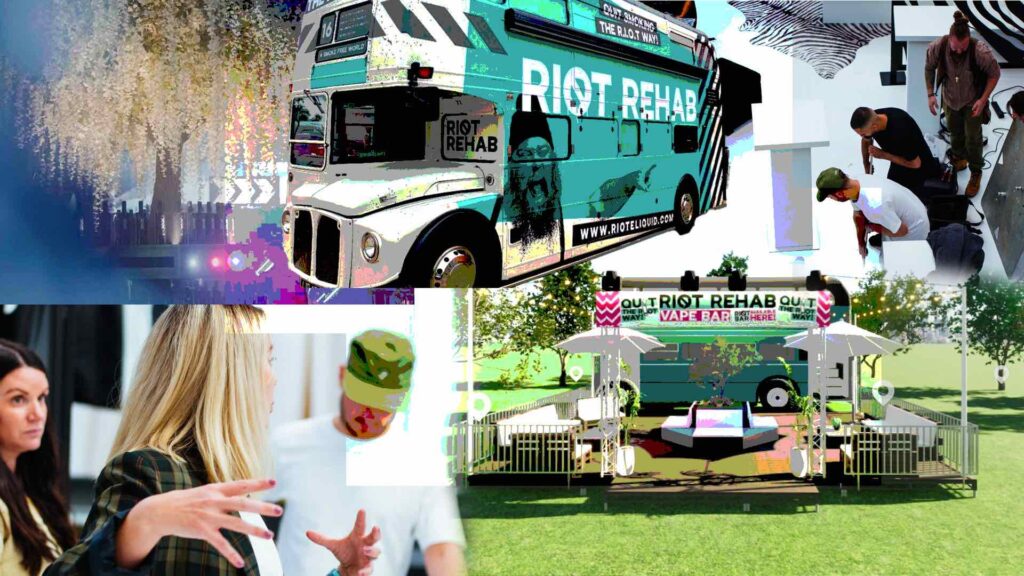
Understanding Client Objectives and Needs
A Client-Centric Approach
The foundation of a successful event production begins with a client-centric mindset. The Julia Charles Event Management Team understands the importance of hearing and actively listening to our clients.
We start by asking the right questions and then listening carefully to the answers, understanding their objectives, needs, and vision for the event.
Alignment with Goals
Every decision made throughout the event production journey should align seamlessly with the client’s goals. This alignment ensures that every element, from the choice of venue to the most minor details, serves a purpose in achieving the desired outcomes.
Customization for Event Type
The approach to event production can vary significantly depending on the event type. Whether it’s a corporate conference, a sales kick-off, a gala dinner, or a music festival, tailoring the event production strategies to suit the specific event type is essential.
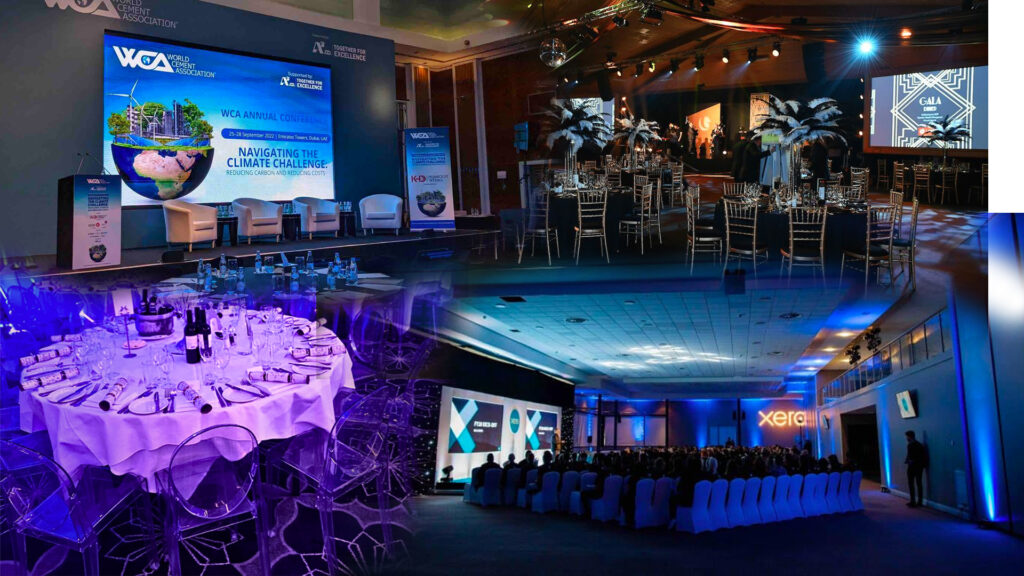
Event Design
Creativity and Innovation
Event design is where creativity and innovation take centre stage. Drawing inspiration from various sources, your event manager must craft an event that meets and exceeds expectations. Creativity knows no bounds when designing an experience that will leave a lasting impression.
Immersive Experiences
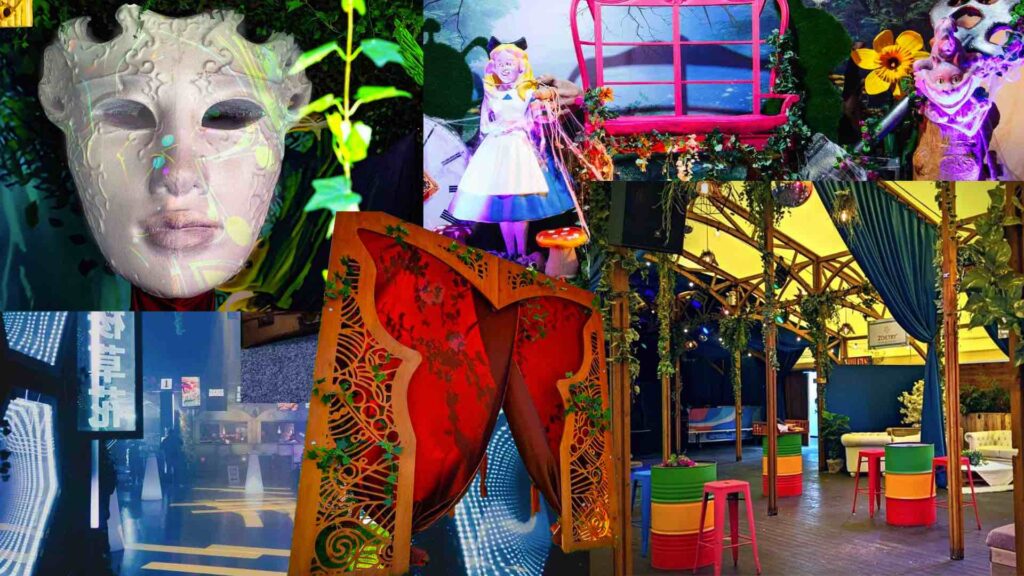
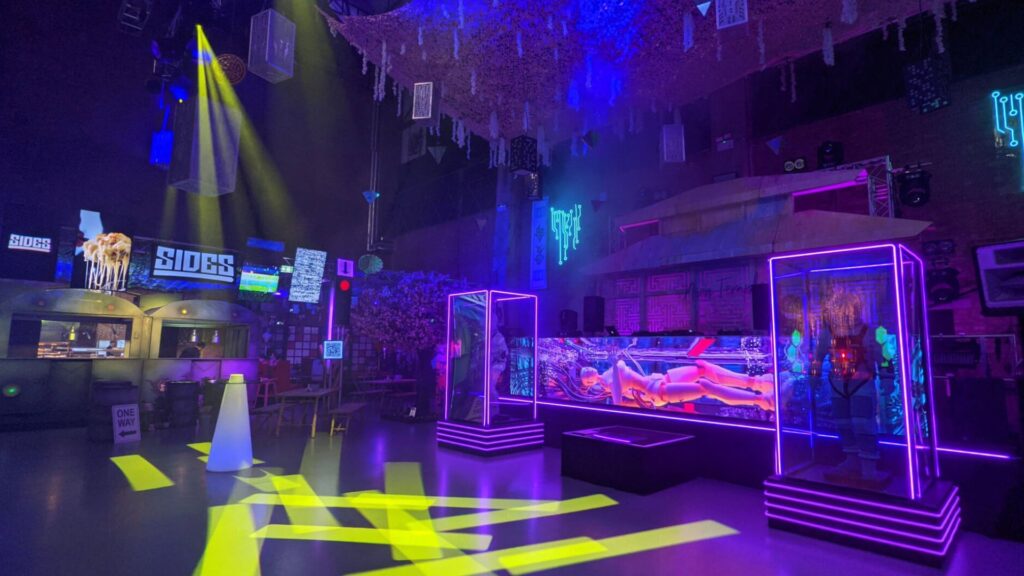
Aim to create immersive experiences that transport attendees into a different world. Every element, from décor to entertainment, should contribute to building a cohesive and immersive atmosphere that resonates with the event’s theme and purpose.
Mood and Atmosphere
The design also includes setting the right mood and atmosphere. Think carefully about colour schemes, lighting, and layout, as they play pivotal roles in influencing attendees’ emotions and overall perception of the event.
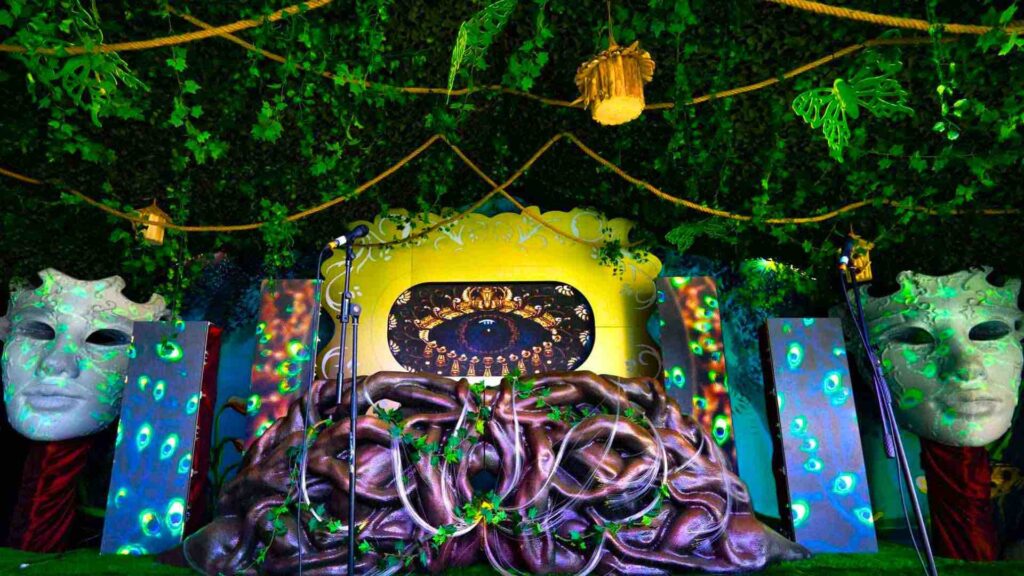
Set and Stage Design
Aesthetics and Functionality
Set and stage design is not just about aesthetics – it’s about finding the perfect balance between visual appeal and functionality. Each element of the stage should enhance the overall experience while seamlessly integrating with the event’s design.
Engaging Visuals
The best event managers will use cutting-edge technology and innovative design concepts to create visually engaging sets and stages. These visual elements should complement the event’s theme and captivate the audience’s attention
Logistical Precision
Attention to detail is paramount in set and stage design. Logistical precision ensures that every component, from props to audiovisual equipment, is flawlessly integrated into the design, contributing to a seamless event.
Lighting and AV
Enhancing the Experience
Lighting and audiovisual (AV) elements are the unsung heroes of event production. These components set the mood, enhance presentations, and create memorable moments throughout the event.
Ambiance Control
Careful lighting control can transform any space into a dynamic and immersive environment. The possibilities are endless – from vibrant and energetic lighting for a music festival to soft and elegant illumination for a gala dinner.
AV Excellence
Investing in state-of-the-art AV equipment is almost always money well spent. You’ll ensure impeccable sound quality, crystal-clear visuals, and seamless transitions. A flawless AV setup enhances the overall event experience and leaves a lasting impact.
Importance of Meticulous Planning
Detailed Preparation
Meticulous planning is the backbone of successful event production. Every aspect of the event, from logistics to scheduling, must be meticulously planned to ensure a flawless execution.
Turnaround Time
Consider the turnaround time for the event. Efficiently manage the setup and teardown phases to maximize the use of time and resources.
Location Considerations
Location plays a crucial role. Assess the venue thoroughly, considering its layout, amenities, and accessibility to ensure it meets the event’s requirements.
Production Levels
Tailor the level of production to match the event’s scale and complexity. Whether it’s a small corporate meeting or a large-scale music festival, the production level should be perfectly calibrated.


Differences in Indoor and Outdoor Event Production
Outdoor Challenges
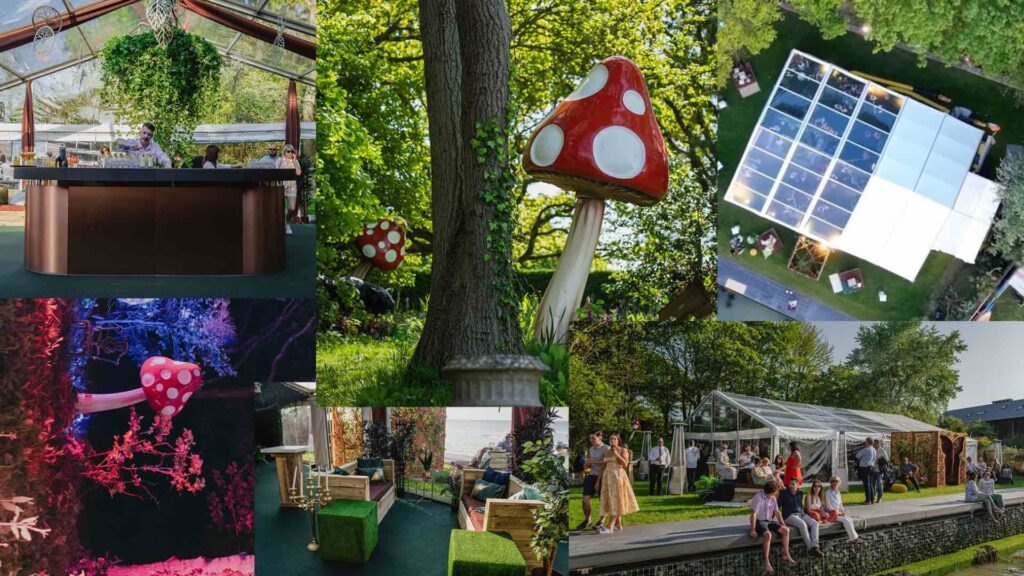
Outdoor event production presents unique challenges, such as weather uncertainties and the need for temporary structures. Address these challenges by having contingency plans and ensuring the structural integrity of temporary setups.
Infrastructure Requirements
Outdoor events often require additional infrastructure, including power sources, sanitation facilities, and security measures. Proper planning and coordination with relevant vendors are essential.
Adaptation and Flexibility
One of the hallmarks of successful outdoor event production is adaptability. Be prepared to adjust plans on the fly, especially when faced with unexpected weather conditions or logistical hurdles.
Find out more about indoor and outdoor event planning.
Crisis Management in Event Production
Proactive Problem Solving
A key element of effective event production is to anticipate common problems that may arise during the event and have proactive solutions in place. Whether addressing technical glitches or handling unexpected guest issues, a well-thought-out crisis management strategy is crucial.
Flexibility is Key
Being flexible and adaptable is paramount in the world of event production. Quick thinking and the ability to make on-the-spot decisions can save the day and ensure that the show goes on without a hitch.
Post-Event Evaluation
Measuring Success
Defining what constitutes a successful event is essential. Success can be measured through various lenses: financial gains, attendee satisfaction, or achieving specific pre-set goals.
Monetary and Experiential Metrics
Consider both monetary and experiential metrics. Assess whether the event met its financial objectives while gathering attendees’ feedback to gauge the overall experience.
Testimonials and Feedback
Collecting testimonials and feedback from attendees and clients provides valuable insights for future improvements and serves as a testament to your event production prowess.
Event Production Case Studies
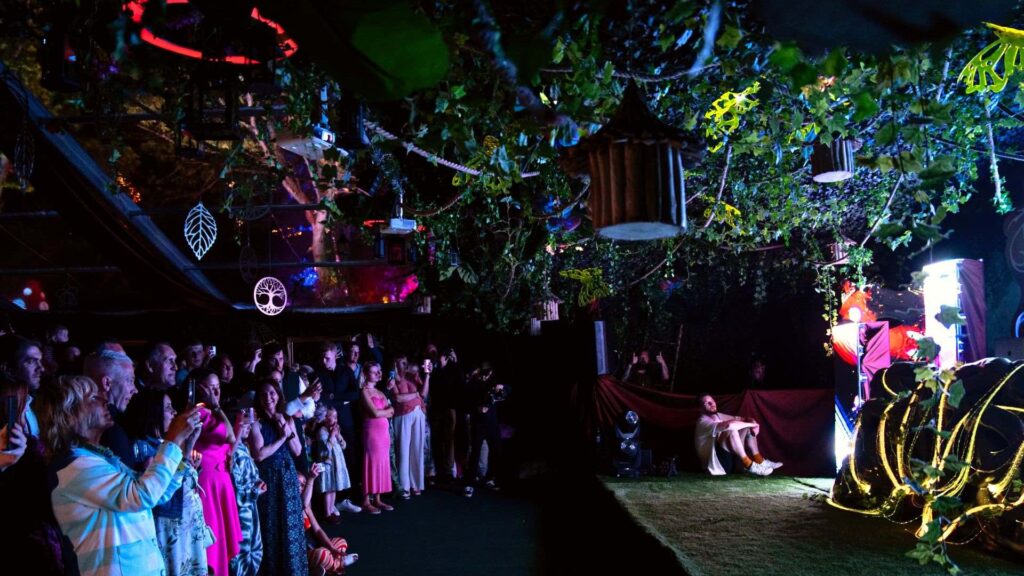
For some real-life examples of event production at its very finest, here are a few case studies from Julia Charles Event Management –
1. Private Enchanted Island Party
2. Sidemen Charity Match and After Party
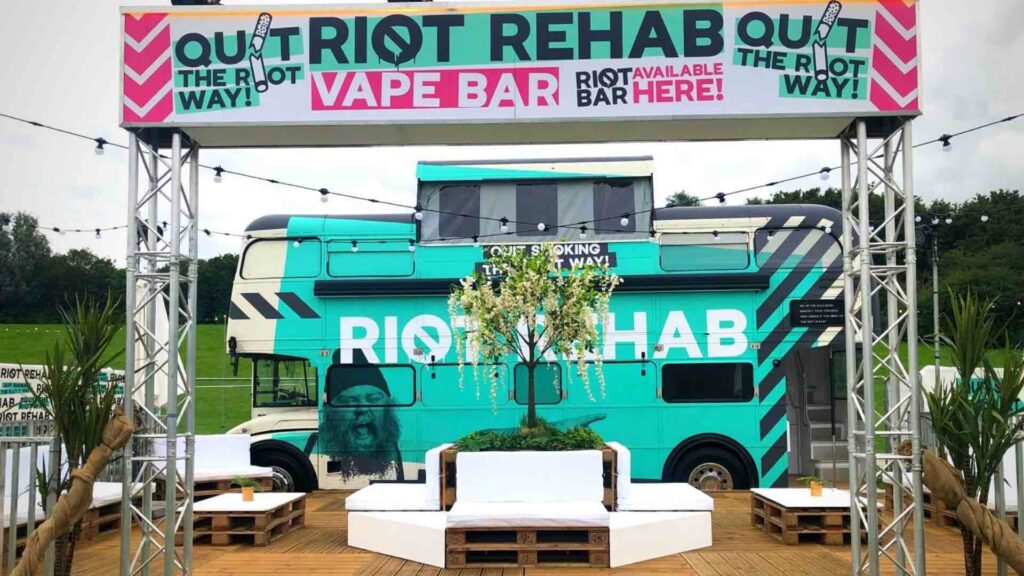
3. Riot Rehab Festival Roadshow
Unforgettable Event Production with
Julia Charles Event Management
In event production, attention to detail, client-centricity, creativity, and adaptability are the cornerstones of success. By immersing yourself in these critical aspects, you can orchestrate events that meet and surpass expectations, leaving a lasting impact on attendees.
For all your event production needs, remember that the skilled event managers at Julia Charles Event Management are here to help.
Contact us today to embark on crafting your next exceptional and unforgettable event.
Always aim for exceptional event production, and you’ll create unforgettable moments.
Related Reading
Get In Touch With Us Today.
With nearly 20 years of Event Management insight, working with world-renowned Clients we'll help you create your Dream Event.
Get in Touch