How To Create The Perfect Event Running Order

Crafting a meticulous event running order is the cornerstone of successful event management.
It’s the blueprint that ensures every element of your event flow streams seamlessly from start to finish.
Whether it’s a corporate conference, a gala dinner, or a product launch, a well-thought-out event agenda not only keeps things on track but also enhances the overall experience for your attendees.
So, let’s get into it…
What Is An Event Running Order?
An event running order is a detailed timeline that outlines the schedule of activities throughout your event. It’s an essential element that any experienced event agency needs.
It encompasses the event’s agenda from the opening remarks to the concluding ‘thank yous’.
By establishing a clear event schedule, you’re paving the way for a smooth execution, ensuring no detail is overlooked.
It is key that you have an expert event management company who can design this flow for you.
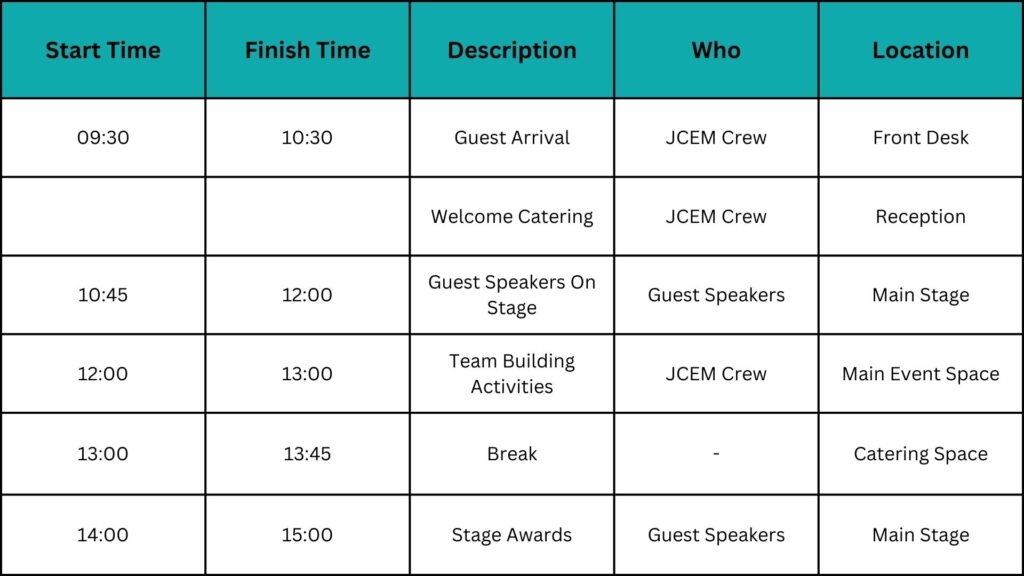
Considerations for your running order template also include:
Event Details
- Event Name: [Event Name]
- Event Date: [Date]
- Event Location: [Venue/Location Name]
- Event Type: [Type of Event, e.g., Corporate Gala, Family Fun Day, Festival]
- Contact Details: [Key Contacts – Organiser, Event Manager, AV Team]
Columns to Include in the Template
- Time: The specific time or time range for each activity.
- Activity/Segment: A description of what is happening.
- Responsible Party: The person or team executing or overseeing this activity.
- Notes/Details: Any additional details, such as technical needs, cues, or reminders.
How To Create An Event Running Order
Creating a robust event running order involves several steps. As event organisers, you will need to ensure your seamless every time to ensure you miss nothing.
Here’s how to go about it.
Remember, the key to success is careful, rigorous planning…
1. Understand The Purpose And Objectives
First and foremost, grasp the core purpose and objectives of your event.
Knowing what you aim to achieve guides the structuring of your event agenda.
2. Know And Understand Your Audience
Gain insight into your audience’s expectations and preferences.
This understanding will help tailor an event schedule that resonates with them and engages them.
3. Coordinate Every Single Element Of Your Event
Every element of your event needs to work together to create a successful, seamless event. Consider the below elements:
Event Start and Finish Times
Define the start and end times, keeping in mind the convenience and travel arrangements of your attendees.
Order Of Activities And Sessions
Arrange the activities in a logical sequence to maintain a coherent flow.
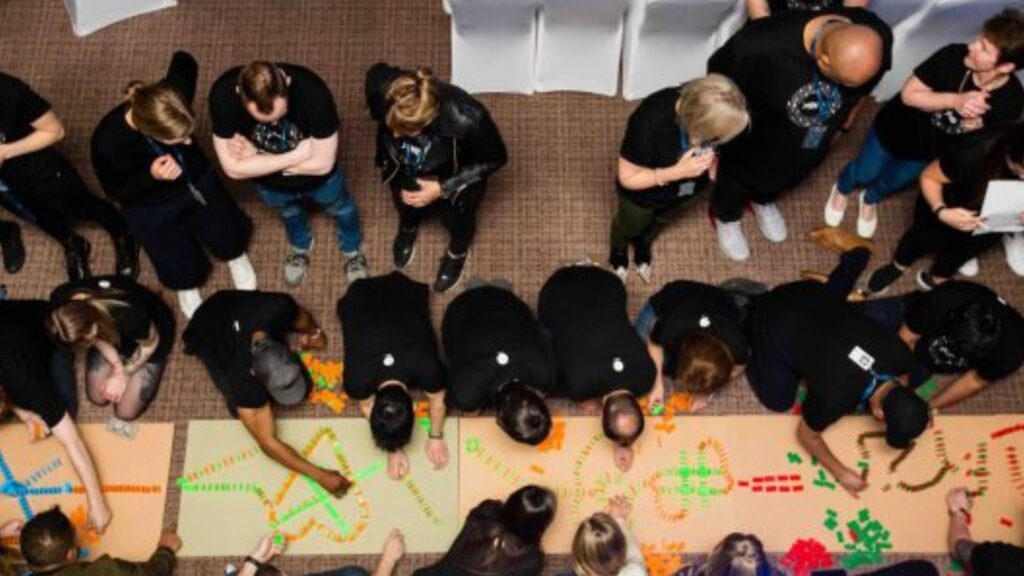
It’s also essential when planning and booking your activities that they are immersive, captivating and on brand, for example, conference entertainment shouldn’t be dull and drab, it should be uplifting and synchronised to the schedule for the day – from day to evening if you are hosting a gala.
Allocating Appropriate Time For Each
Allocate ample time for each segment, ensuring a balanced event agenda that doesn’t feel rushed.
Collaborating With Speakers, Performers, Presenters
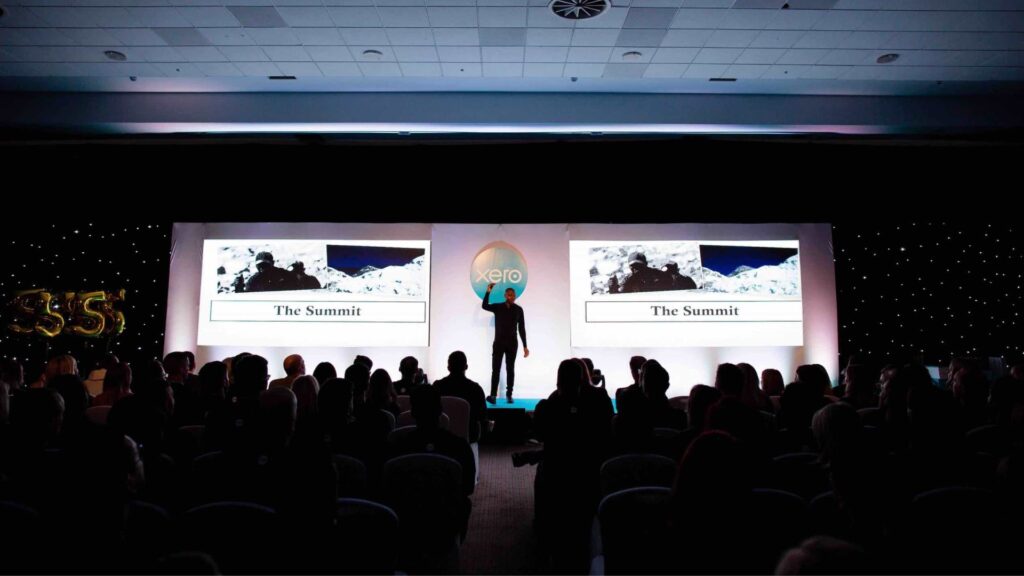
Work closely with all participants to synchronize their contributions with the event schedule.
Communicating Logistics To All Involved Parties
Ensure all parties are on the same page regarding the logistics and running order.
Transitioning Between Sessions Or Activities Seamlessly
Plan the transitions meticulously to avoid any awkward pauses or disruptions.
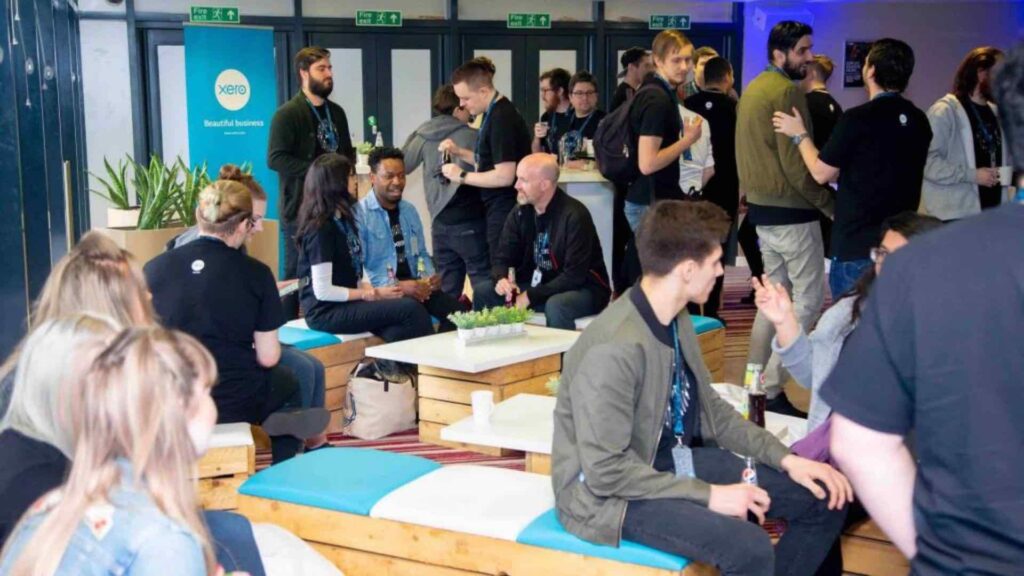
Scheduling Breaks For Networking And Refreshments
Schedule breaks to provide networking opportunities and refreshments to keep energy levels high.
Managing Attendee Flow During Transitions
Efficiently manage the flow of attendees during transitions to maintain a smooth experience. You can use sophisticated event management tools to help with this.
4. Incorporating Engagement and Interactivity
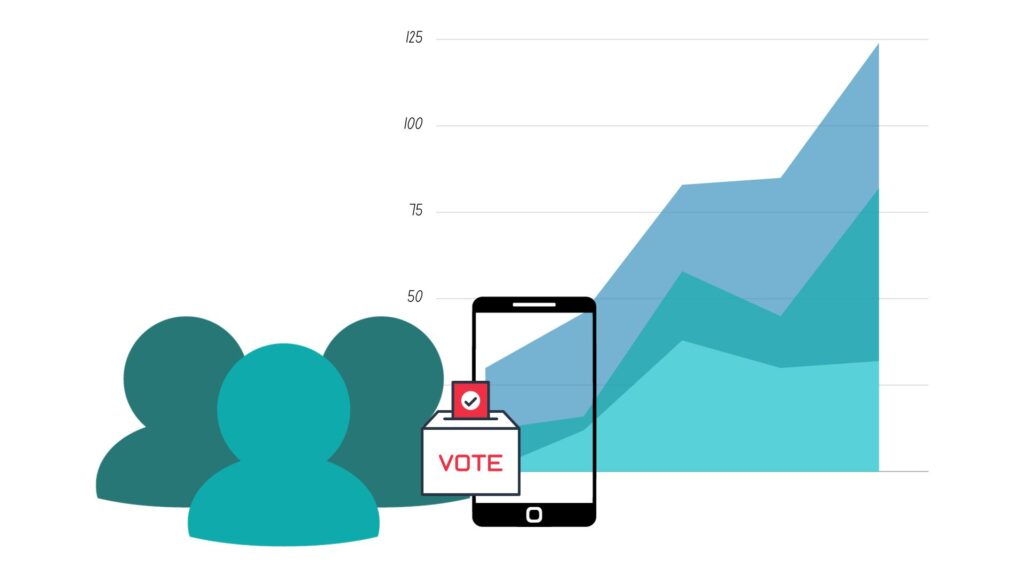
For an event to be enjoyable and memorable for guests, incorporating engagement is a huge part. Using up-to-date event technology such as apps will also enhance the chances of audience participation. Here are some quick ways of incorporating engagement and interactivity into your event:
Strategies For Keeping Attendees Engaged
Employ strategies like interactive sessions to keep the engagement levels soaring.

Making Use Of Interactive Elements Like Q&A Sessions, Polls And Surveys
Integrate interactive elements that promote audience participation and feedback.
Encouraging Audience Participation And Feedback
Foster a two-way communication channel to make the event more interactive and enjoyable.
5. Venue Set-Up And De-Rig – Adequate Time For This
Allowing an adequate amount of time for your venue set-up and de-rig is crucial to ensuring everything is set up in time for your event and you don’t run overbooked time at your venue when you take everything back down.
Audiovisual Requirements And Equipment Set-up
Ensure all technical requirements are met well in advance.
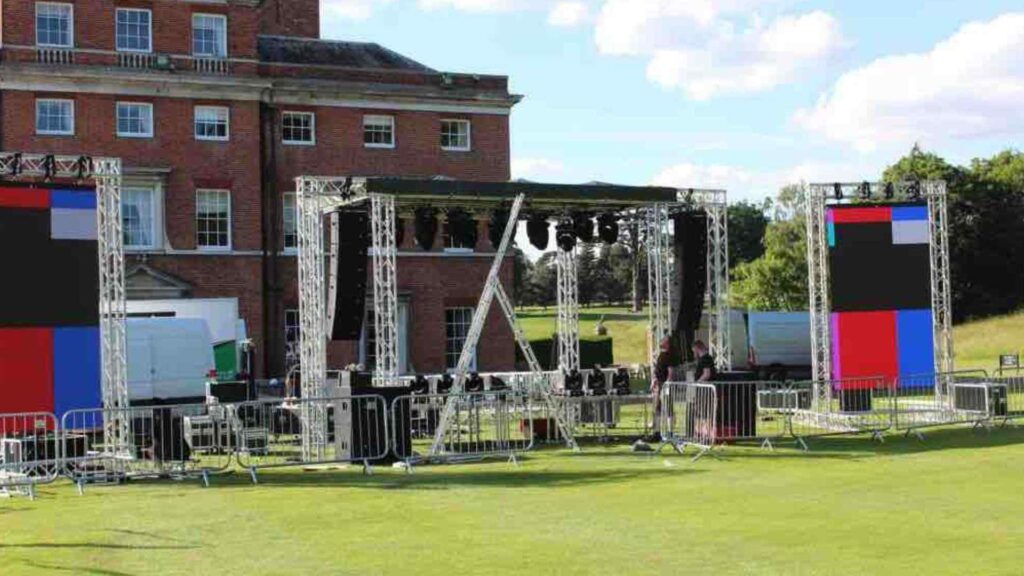
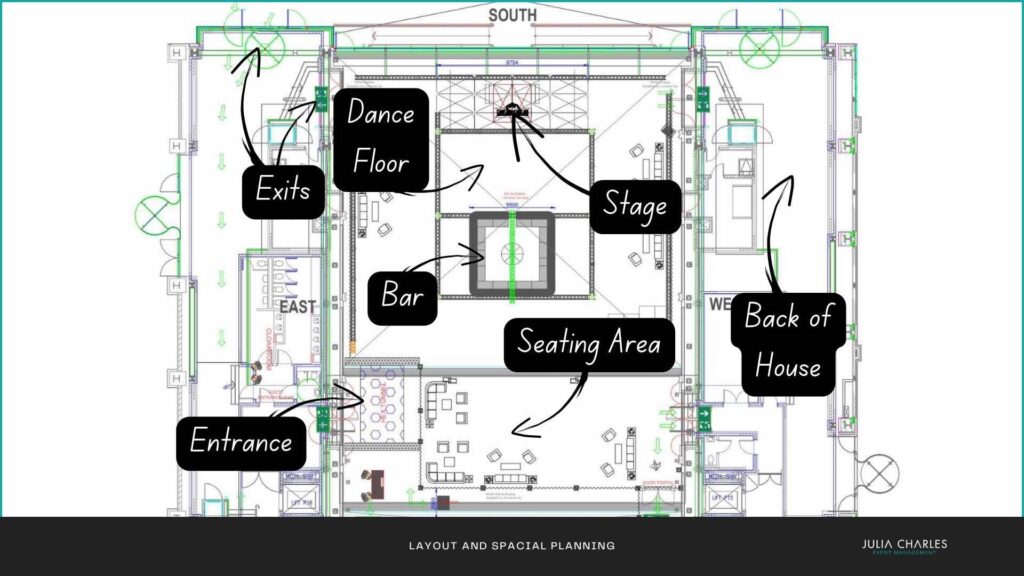
Venue Layout And Stage Design
Design a layout that complements the flow of your event agenda.
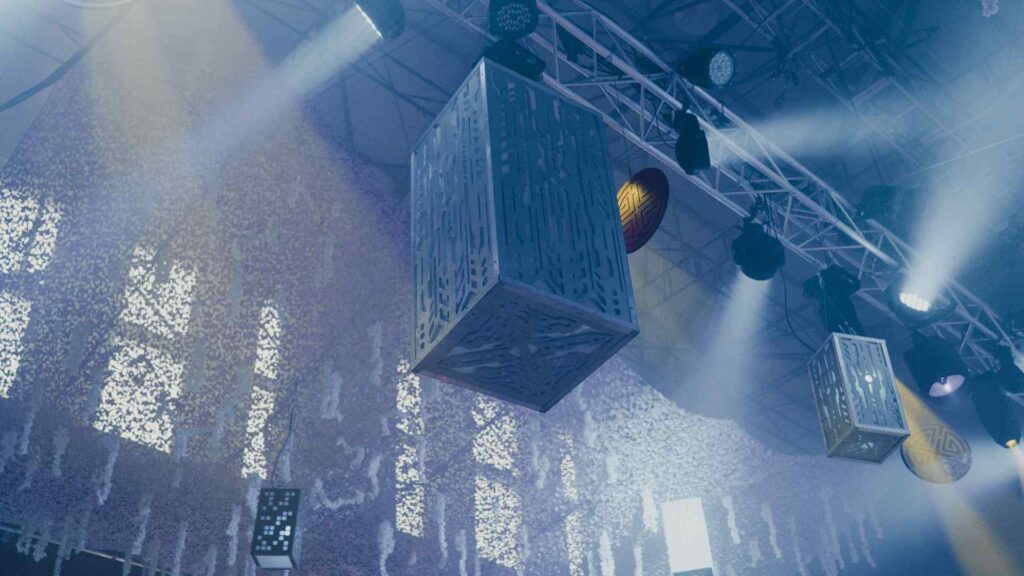
Considerations For Lighting, Sound And Visual Effects
Pay attention to the aesthetic and technical aspects to create the right ambience.
6. Contingency Planning
Always plan for the worst – it makes you a lot more relaxed on the day of your event!
Ensure all aspects of your event are planned and you have backup options should things not go to plan.
Identifying Potential Challenges And Risks
Anticipate challenges and devise contingency plans to address them.

Developing Backup Plans And Alternatives
Have backup plans in place to ensure the event runs smoothly despite unforeseen circumstances.
Handling Unexpected Situations During The Event
Be prepared to address unexpected situations with a cool head and a solid plan.
7. Rehearsals / Flexibility
Before the day(s) of your event, you want to run through everything to make sure everything goes together and it is exactly as you envisaged.
Importance of Conducting Rehearsals
Rehearsals are crucial to ironing out any kinks in the running order.

Ensuring All Participants Are Familiar with The Running Order
Ensure everyone is well-versed with the event schedule to avoid any hitches.
Refining The Event Flow Based On Rehearsal Feedback
Make use of feedback from rehearsals to refine the event agenda.

Being Prepared To Adjust The Running Order As Needed
Maintain a level of flexibility to accommodate any last-minute changes.
Handling Unexpected Delays Or Changes Gracefully
Adapt to any changes or delays with grace and professionalism.
Communicating Changes Effectively To All Stakeholders
Keep all stakeholders informed of any changes in the running order in a timely manner.

8. Final Checks and Confirmations
Now all the planning is complete and you’ve done rehearsals – now you want to do all the final checks and confirmations.
Verifying All Arrangements and Logistics
Conduct a thorough check of all arrangements before the event.
Confirming The Availability Of Resources and Personnel
Ensure all resources and personnel are in place and ready to execute the event schedule.
Creating A Checklist For Last-Minute Preparations
Create a comprehensive checklist to ensure nothing is overlooked.

9. Event Day Execution
Now it’s the long-awaited day of your event. How do you execute it?
The Role Of Event Managers In Overseeing The Running Order
Event managers play a pivotal role in ensuring the running order is adhered to.
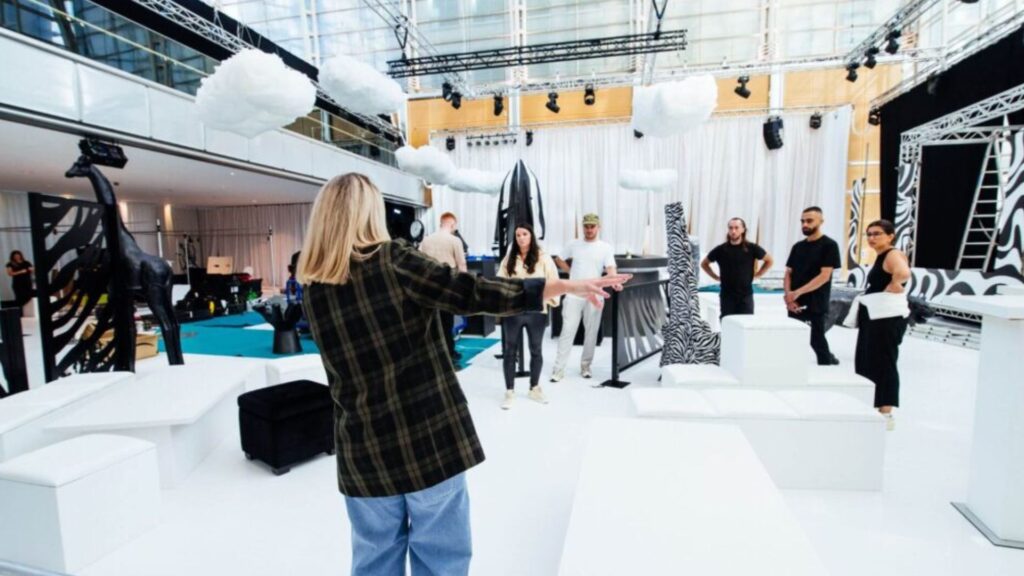
Ensuring Everything Goes According To Plan
Keep a close eye on the proceedings to ensure everything goes as planned.
Addressing Any Issues Or Challenges In Real-Time
Address any issues promptly to maintain the flow of the event.
However when the unexpected does occur check out our article on how to mitigate this!
Establishing A Well-Structured Running Order
When your event goes well, the positive impact on your attendees, your brand, on all those who took part can be phenomenal.
The ROI in both tangible and intangible ways can be huge.
However, when things go wrong … the negative impact in all these areas can be incalculable.
Establishing a well-researched and structured running order will be fundamental to the success of your event, giving you the best chance of a smooth, seamless and memorable event.
Don’t leave anything to chance.
Entrust your event’s success to our event management company, Julia Charles Event Management, your go-to event agency for crafting successful, unforgettable events.
With meticulous planning and a client-centric approach, we ensure your event unfolds flawlessly from start to finish.
Contact us today and let’s create memorable experiences together!
Our Services:
Related Blogs:
- How To Optimise Event Flow
- How To Design An Event Space From Scratch
- How To Create An Event Floor Plan
- What To Look For When Choosing A Venue
- The Difference Between Event Management and Event Production
- The Importance Of Event Bar Design
- How To Design The Best Creative Event Concept
- Dealing with Unforeseen Event Circumstances
Get In Touch With Us Today.
With nearly 20 years of Event Management insight, working with world-renowned Clients we'll help you create your Dream Event.
Get in Touch