Choosing The Right Venue For Your Conference

Finding and choosing a conference venue can seem like a daunting task, from picking the perfect location to sourcing a space that facilitates all of the event’s needs.
In fact, choosing the right venue for your conference is a pivotal decision. From setting the right tone to accessibility, the ideal conference venue will determine the success of your event.
As well as aligning with your conference’s theme and objectives, there are multiple other factors to consider in 2026, such as sustainability and technology.
Our expert conference organisers have extensive experience planning and managing corporate events across the globe, with venues from Venice hotels to towering skyscrapers. With that in mind, we unravel the secrets and tools for finding your perfect conference space.
Table of contents
- What Makes A Good Conference Venue?
- 1. Define Needs and Objectives
- 2. Define A Clear Budget
- 3. Conference Entertainment and Team-Building
- 4. Location Of Your Conference Venue
- 5. Accessibility
- 6. Venue Capacity
- 7. Conference Venue Facilities
- 8. Layout Of Conference Space
- 9. Conference Equipment
- 10. Catering Facilities
- 11. Branding
- 12. Sustainability
- 13. Making Site Visits – Your Conference Venue Checklist
- What To Look For In A Conference Venue – Book A Professional Events Agency
What Makes A Good Conference Venue?
When on the lookout for a conference venue, you’ll need to consider various factors that might impact your event.
- Budget: Your conference budget is a primary factor that can significantly narrow down your options. Before you look into venues, ensure you have the correct figure in place.
- Location: You’ll need to take into account – delegate origin, public transport, travel time, parking, international access, sustainability and accommodation.
- Accessibility: To ensure a good turnout, your conference venue should be easily accessible. Consider the location’s proximity to public transport or the availability of parking spaces.
- Capacity & Layout: Choosing the ideal size for your delegate turnout and conference formats, alongside the ability to have the room layouts required for networking and breakouts.
- Facilities: Like audio-visual equipment, seating arrangements, and catering options, check for essential amenities.
- Equipment: For your event to run smoothly and for it to create the right memorable impression, you need to make sure the venue has all the right equipment available.
- Catering: Whatever the scale or nature of your event, the delegates will always remember the quality of the food and refreshments you provide.
- Branding: Be sure to communicate who you are through clear visuals and branding spread across the conference venue.
- Sustainability: Always try to find a conference space with a well-defined sustainability policy, as this reflects positively on your conference’s environmental awareness.
Let’s look at these factors in detail with our defined conference venue checklist below.
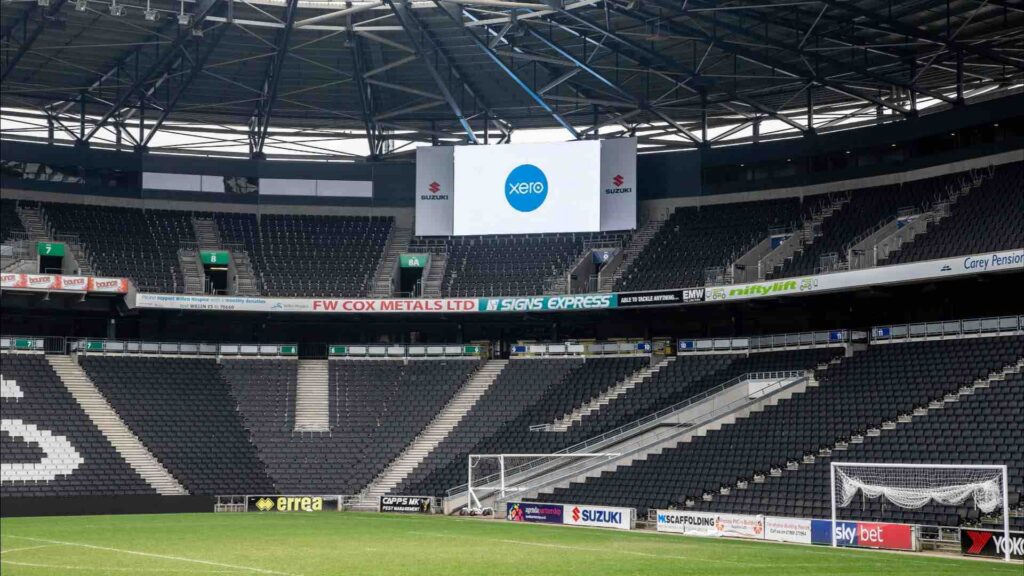
1. Define Needs and Objectives
Kickstarting your venue sourcing efforts with a clear outline of needs and objectives isn’t just good practice – it’s a cornerstone to the success of your event.
Here’s why it matters:
- Clear Vision:
Defining your needs straight away helps carve out a clear vision for your ideal conference venue. You’ll know exactly what you’re aiming for – keeping your venue search on track. - Resource Allocation: By setting clear objectives early on, you’ll know where to channel your resources. Whether it’s an impactful corporate stage, delegate speakers or something else.
- Measurable Goals: Your objectives give you measurable goals. This isn’t about vague ambitions but concrete, achievable targets with regard to your event venue. They’ll be your yardstick to gauge the success of your venue once it’s wrapped up.
- Stakeholder Alignment: Your stakeholders will have their own expectations. By presenting them with well-defined objectives from the get-go, you align your interests and set a collective direction. This also helps in gaining their buy-in and support with the venue that you eventually choose.
- Avoiding Pitfalls: When you know what you need and where you’re headed, you’re less likely to stumble into common venue pitfalls. It’s easy to get sidetracked or to overextend your resources without clear objectives anchoring your actions.
- Informed Decision-Making: With set objectives for your venue, every decision you make is an informed one. Your objectives will guide you in making choices that add value to your conference.
Setting your needs and objectives for your venue at the outset is like laying a strong foundation for your conference, giving you clear focus and ensuring every decision moves you closer to a successful event.
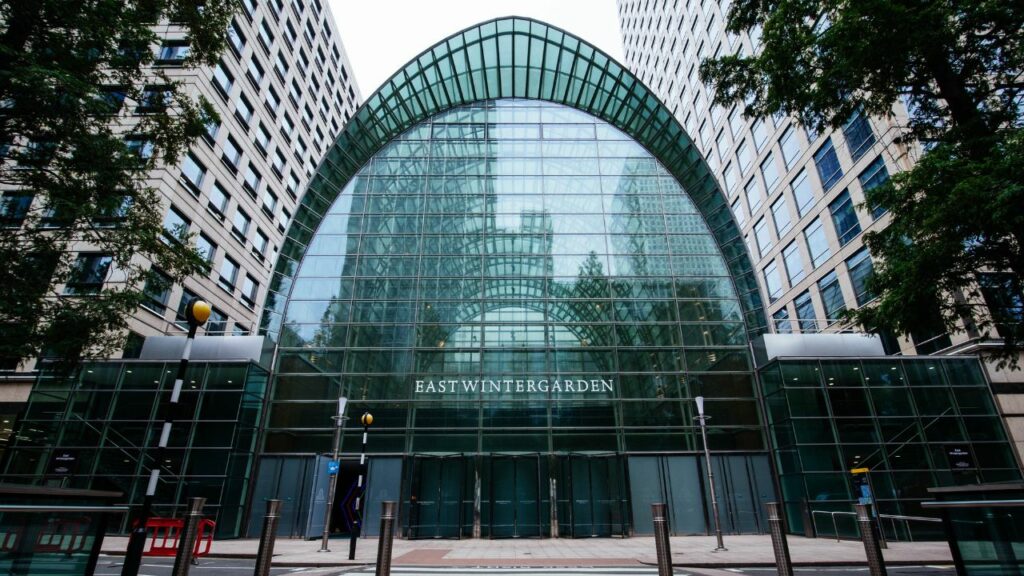
2. Define A Clear Budget
By understanding exactly what a conference space has to offer and what benefits it can provide, you can gain a really clear picture of how to allocate your conference budget.
Establishing a clear budget for your conference is vital if you are to avoid overreaching when scouting potential venues.
To grasp what your budget can and cannot cover, always undertake research first.
Top Pro Tip: If your dates are flexible, you’re booking well in advance, or you need multiple dates, always haggle for a better price! Venues often lower their rates for off-peak bookings or multiple event bookings.
Before committing, take time to fully evaluate what the venue cost includes, as this can have a significant impact on your overall budget.
Here are a few considerations:
- Catering: Is catering included in the venue hire, or priced separately? Check what’s covered (tea and coffee, lunch, refreshments) and whether there are minimum spend requirements.
- Equipment and furniture: Does the venue supply essential items such as AV equipment, microphones, screens, staging, tables and chairs? If not, factor in the cost of external hire and setup.
- Accommodation: Are there on-site rooms available for overnight guests? If so, ask whether discounted group rates or room blocks are offered for delegates.
- Staffing and support: Is on-site technical or event support included, or charged as an extra? This can be critical on the day.
- Hidden or additional charges: Look out for service charges, early access fees, overtime costs, or cleaning fees that may not be obvious upfront.
- Flexibility and added value: Ask whether the venue can include extras such as breakout rooms, registration areas, or extended setup time at no additional cost.
By fully understanding what a venue has to offer, you’ll have a clear outline of how to allocate your budget effectively.

3. Conference Entertainment and Team-Building
By prioritising entertainment and team-building activities, you ensure a positive, memorable experience for all your conference attendees.
- Fostering Connections: Team-building activities help foster connections among attendees. They break down barriers, encourage communication, and create a sense of community.
- Boosting Morale: Conference entertainment is key to keeping spirits high. A lively, enjoyable atmosphere not only makes the conference more memorable but also enhances the learning experience.
- Enhanced Learning: When you pair learning with fun, the educational content of your conference becomes more impactful. Team-building activities encourage collaborative learning and problem-solving. They can also provide hands-on experience related to your conference theme.
- Practical Considerations: Always consider the facilities and services offered by your venue. Does it have indoor and outdoor spaces for activities? Look at conference venues that can facilitate everything you want to include.

4. Location Of Your Conference Venue
The location of your conference venue can significantly change whether delegates attend, their satisfaction and the overall success of your event.
It’s crucial that you choose a well-connected, accessible location, making it easy for your main delegate cohort to attend.
Here’s a conference location checklist to get you started:
- Delegate Origin: Understand where most of your delegate cohort is travelling from.
- Public Transport Links: Choose a location easy to access by public transport.
- Travel Time & Convenience: Long and complex journeys will discourage attendance.
- Parking: If delegates are driving, ensure sufficient parking is provided or instructions to do so.
- International Access: For conferences with overseas attendees, proximity to the airport is key to easy transfer options.
- Accommodation and Dining: Consider the nearby hospitality and provisions for guests, especially for multi-day events.
Top Tips: When conference planning, utilise a conference registration app to understand where delegates are travelling from and how they are travelling.
By choosing a location that meets your delegates’ needs, you’ll boost attendance numbers and ensure a positive, engaging experience at your conference. Not only this, but you can make your conference more sustainable by minimising travel.
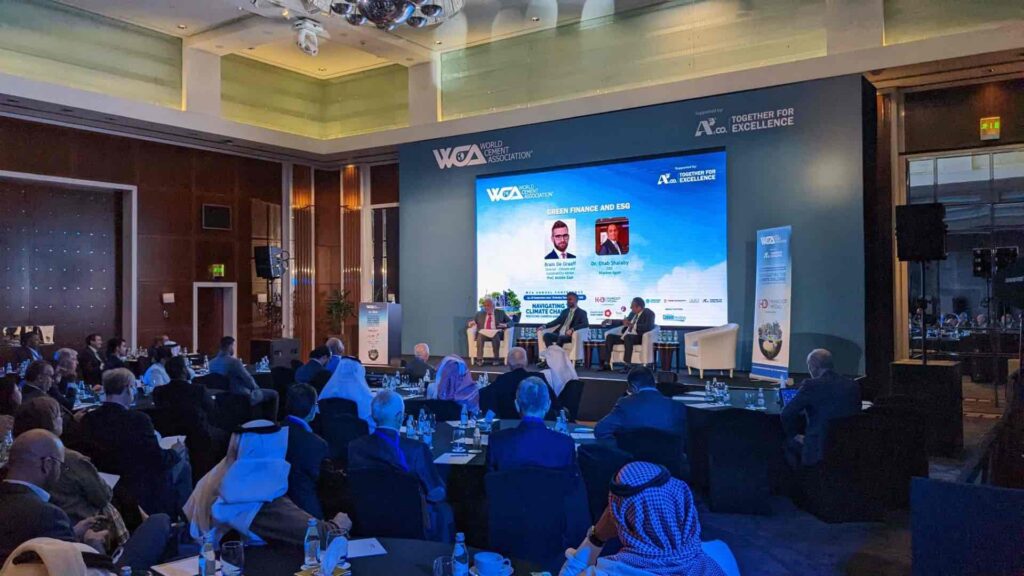
5. Accessibility
Knowing your attendees and their additional needs before your event makes for an all-inclusive space. As an event planner, it’s vital to ensure everyone can attend and gain value from your gathering.
Here are key considerations for making your event accessible:
- Venue Accessibility: Evaluate the entrance and indoor mobility: Can attendees using wheelchairs or walking aids easily enter and move around?
- Investigate solutions for visually or hearing-impaired attendees: Does the venue have an induction loop system, braille signage, or other necessary facilities?
- Seek Advice from Past Organisers: Speak with previous event organisers to learn about the additional arrangements made to accommodate different needs.
- Communicate with Your Delegates: Have a clear dialogue with your delegates to ensure their needs are met. Knowing their requirements in advance helps in making the necessary arrangements.
- Review Accessibility Guidelines: Explore accessibility guidelines to know what to look for when assessing a venue’s suitability for your attendees. This will help in creating an inclusive environment for all.
6. Venue Capacity
Choosing the right conference venue size is an essential ingredient in how your space will both function and feel.
Before booking, ensure you know the estimated number of delegates going, and allow for any risks & contingencies such as late-comers. (Having a little more space is better than to crowded.)
Ofcourse, the reverse also applies in that too big a space and your conference will feel empty.
You will also need to consider elements such as how you’d like your delegates to be seated.
For instance, are they going to sit at round tables or in chairs facing a stage?
Understanding seating layout options or corporate format options helps you make a sound decision.
The venue’s capacity should accommodate not just your delegates but also staff, crew, and any required catering space.
Based on the nature of the event, you might also need break-out spaces for delegates, along with smaller meeting rooms.
Always be clear on these aspects to ensure your venue suits your event perfectly.
7. Conference Venue Facilities
Selecting the ideal conference venue facilities will make or break your event.
The facilities on offer can significantly influence delegate engagement, comfort and overall satisfaction.
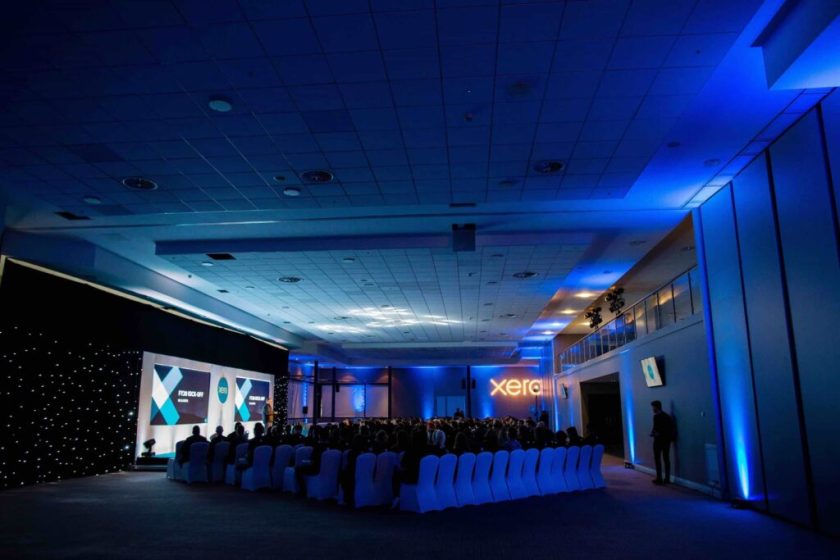
Whether it’s a conducive environment for note-taking or a well-sized conference stage for panel discussions, or reliable event technology, the right amenities can make all the difference.
To make sure nothing gets overlooked, here’s your conference venue facilities checklist:
- Seating Arrangement and Furniture: Ensure there’s ample seating with tables for attendees to sit comfortably and take notes. Check what conference furniture is included in the venue hire and whether layouts are flexible.
- Charging Stations & Power Access: Easy access to charging points and power sockets is crucial to keep devices powered throughout the event.
- The Stage: If your event includes panel discussions or presentations, a sufficiently large presentation stage is crucial.
- Lighting: Adequate conference lighting sets the mood and ensures visibility. Explore the existing lighting facilities and see if they meet your event’s needs.
- Audio-Visual (AV) Equipment: Quality AV equipment for conferences is indispensable for clear communication. Check if the venue provides AV equipment and if there’s on-site technician support.
- Technician Support: On-the-day technical support can help in resolving any technical glitches swiftly.
- Wi-Fi Connectivity: Strong, reliable Wi-Fi is a must. Always test the Wi-Fi during your venue visit to ensure it meets the required standards.
- Breakout Areas: Identify where the breakout areas are located and assess if they are conducive to networking, collaboration, wellness sessions, and informal discussions.
- Catering Facilities: Evaluate the catering facilities to ensure they can meet your event’s dietary requirements and service levels.
- Accessibility Facilities: Check for accessible conference facilities, including step-free access, lifts and accessible restrooms, to support an inclusive event.
Creating a clear checklist of required conference venue facilities will streamline your venue selection process and help ensure a smooth, successful event.
8. Layout Of Conference Space
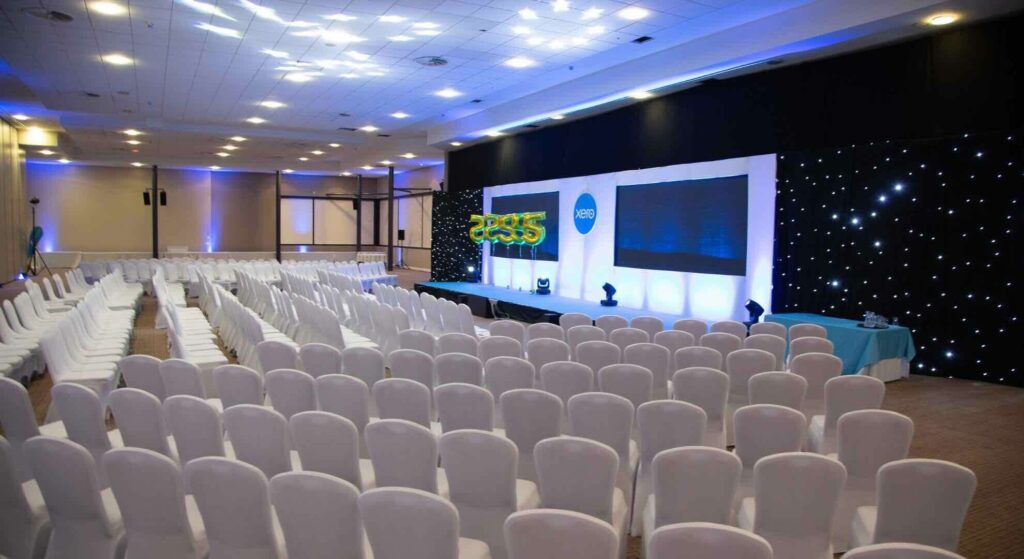
Understanding your venue’s layout is as vital as its capacity.
During your venue visit, always note the delegates’ entry point, seating arrangements, and the main room’s setup.
As an event planner, you’ll need to streamline the day’s flow.
Knowing the layout helps you decide on registration and activity areas, ensuring a smooth flow throughout your conference.
Consider each aspect carefully in your event design.
The type of conference you’re hosting may necessitate decorating or branding specific venue sections.
A good grasp of the layout is crucial for this.
If the venue doesn’t provide staging and lighting, you’ll need to figure out their placement.
Also, check socket locations for convenience.
Lastly, measure doorways to ensure large equipment can be easily brought into the space.
9. Conference Equipment
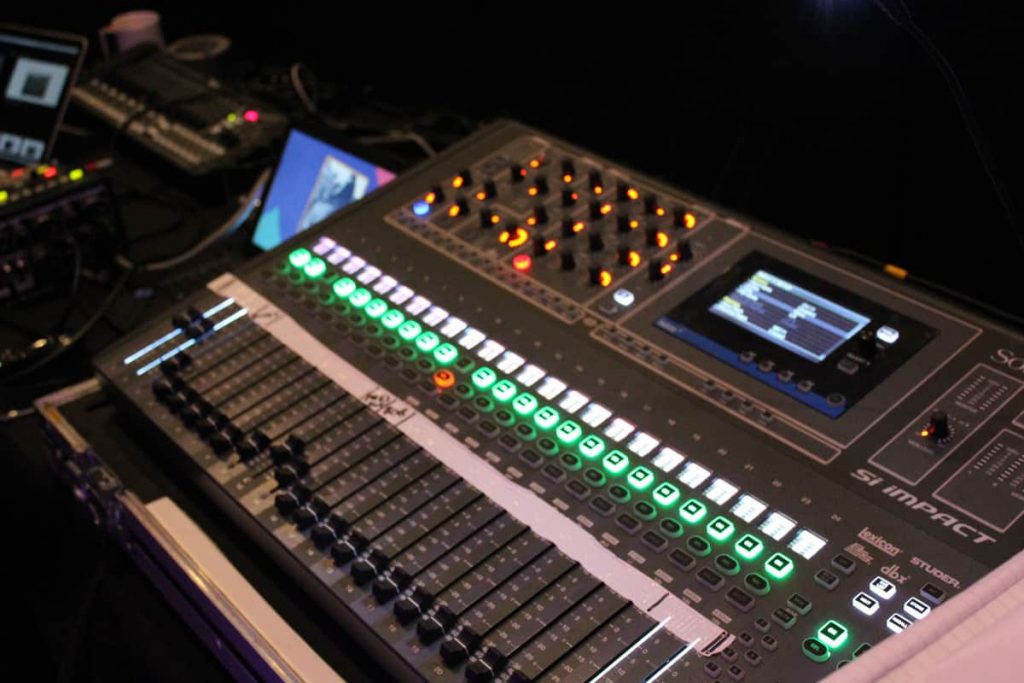
When planning your conference, whatever your conference theme, having the right equipment on hand is crucial.
This includes staging, lighting, AV, rigging, screen, chair and table hire.
- Venue Exploration: Visit potential conference spaces to check what equipment they provide and what you’ll need to bring. It’s often more convenient to opt for a venue supplying some of the needed gear. If a chosen venue lacks these amenities, don’t worry – conference organisers can step in to fully equip your venue.
- In-house Equipment Availability: Many venues offer in-house conference equipment hire, easing the organising process as they have someone to handle the equipment hire.
- Bespoke Equipment Solutions: If you’re after a specific look, visual elements, or a themed ambience, consider engaging a conference specialist.
A conference specialist will not only supply, install and dismantle your equipment but also offer unique and tailored additions.
These might encompass:
- Custom signage
- Large-scale props and decorations
- Custom centrepieces
- Sourcing particular or specialist equipment
- Arranging high-profile guest speakers
- Managing delegate travel and accommodation
This way, you’ll ensure your conference is not only well-equipped but also distinct and memorable.
10. Catering Facilities
Whether you’re hosting a formal conference with a sit-down meal or a casual meet with a light self-service lunch, knowing the catering facilities at your venue is vitally important.
Good catering services foster a more engaged and attentive audience.
With easy access to food and drinks, attendees stay alert and are more willing to participate and enjoy the conference.
They also feel valued and cared for, enhancing their overall experience.
Here are some catering options to consider depending on your conference type:
- Boxed lunches
- Staff-served buffet catering
- Sit-down meals
- Help-yourself finger food catering
- Food catering vans

Identify the best catering option for your conference space by considering the style and tone of your conference.
Your venue may have limitations on the catering services it can provide.
For instance, without a fully-equipped kitchen, a sit-down meal might not be feasible.
Most conference spaces can advise on the in-house catering packages they offer, helping you understand what’s achievable if you opt for external catering services.
Always check dietary requirements in advance and ensure suitable options are available for those who need them.
11. Branding
When hosting a corporate conference in 2026, make sure your branding is clear and consistent across the entire event.
Check whether the conference venue has facilities such as digital screens, light boxes, or display boards for larger advertisements and key messaging.
If not, a professional content creation and event production team can support you.
If you’re collaborating with stakeholders or sponsors, ensure the venue aligns with the image and professional standards you want to project, creating a cohesive experience for attendees and reinforcing your conference’s identity.

12. Sustainability
In 2026, sustainability in conference venues is no longer optional – it’s becoming an expected standard.
Choosing an eco-friendly venue not only reduces environmental impact but also signals to stakeholders, sponsors and delegates that your conference is forward-thinking.
When choosing your conference venue, consider these aspects:
- Smart and Sustainable Venues: Modern venues now integrate smart technology, ask about the energy efficiency and tech-enabled aspects of the venue.
- Venue Sustainability Policy: Always request to see the venue’s sustainability policy. Ask how it’s applied: have they eliminated single-use plastics, implemented robust recycling programmes, used compostable cups, or adopted a food waste management scheme?
- Consider a Sustainable Events Organiser: Hiring a green events coordinator can provide practical strategies for reducing your event’s environmental impact while maintaining efficiency and attendee satisfaction.
13. Making Site Visits – Your Conference Venue Checklist
Site visits to potential venues will play a key and essential role in your venue selection process. Take a look at our conference venue checklist for guidance on assessing the potential conference space.
Conference Venue Site Visit Checklist
- ✓ Get a real feel for the venue and its ambience
- ✓ Assess seating, stage, break-out areas, and capacity
- ✓ Check AV equipment, Wi-Fi, and technical facilities
- ✓ Review accessibility, parking, and public transport links
- ✓ Meet staff to evaluate professionalism and support
- ✓ Inspect on-site catering options and variety
- ✓ Identify potential issues or layout challenges early
- ✓ Use your visit to clarify costs and negotiate better terms
Site visits aren’t just a box to tick; they are a pivotal part of ensuring your conference goes off without a hitch.
By spending time on-site, you’ll make informed decisions that will contribute to the success of your event.
What To Look For In A Conference Venue – Book A Professional Events Agency
Finding the ideal venue for your conference is never an easy task.
The Julia Charles Event Management team have all the expertise you require for a seamless conference planning experience.
We can not only help you source a venue, but we can also manage all the venue logistics. We may even already know the perfect venue for your conference.
Having supported brands such as Xero, Opus Energy, WCA and Blue Skies in the UK and internationally, we are fully equipped to support you on end-to-end services from delegate management, staging, lighting and AV, technology, sustainability and more.
Take a look at our dedicated conference services below:
Here’s an example of what we did for Xero:
Want to find out more? Then get in touch with a member of our conference team today.

Related Services:
Related Reading:
Get In Touch With Us Today.
With nearly 20 years of Event Management insight, working with world-renowned Clients we'll help you create your Dream Event.
Get in Touch