Top Skills Every Event Manager Needs

Planning and executing a successful event requires more than just coordinating logistics; it demands a diverse set of event management skills to ensure every detail aligns seamlessly.
From corporate conferences to grand gala dinners, the expertise of an event manager or event management company is pivotal in transforming visions into memorable experiences.
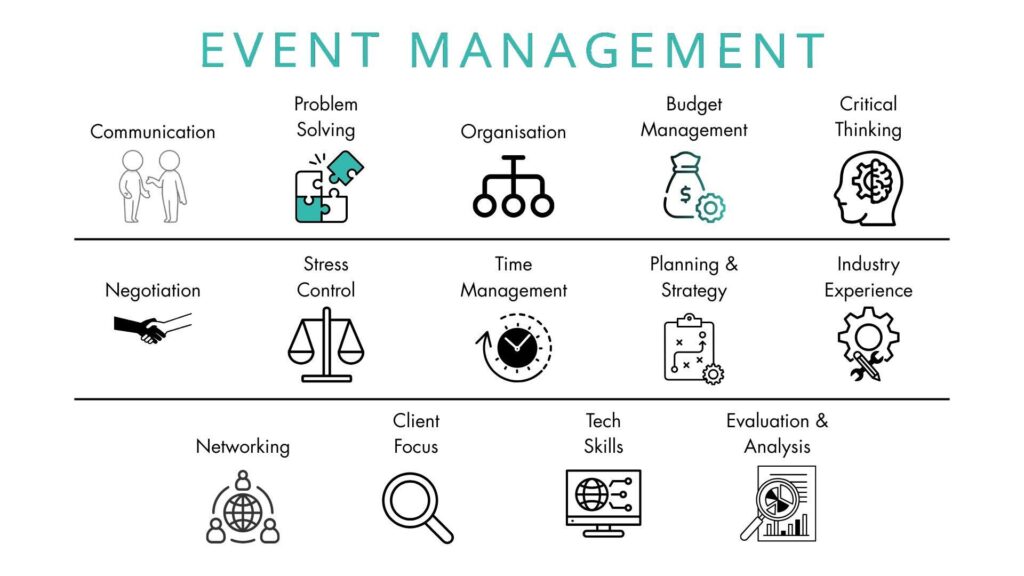
At Julia Charles Event Management, we have a team of highly skilled event managers with years of experience. To help other event managers or those seeking a career in the events sector, we have outlined what we consider to be fourteen of the most important skills every event manager should have.
Table of contents:
- What is an event manager?
- The Core Skills Every Successful Event Planner Must Master
- Communication Skills
- Problem-Solving Abilities
- Organisational Skills
- Understanding and Managing Budgets
- Critical Thinking and Attention to Detail
- Effective Negotiation
- Stress Management
- Time Management Skills
- Planning and Strategy
- Experience in the Event Management Industry
- Networking Savvy
- Client-Centric Approach
- Technological Proficiency
- Evaluate and Analyse for Success
- Event Manager Skills In Conclusion
What Is An Event Manager?
An event manager is a professional responsible for planning, organising and overseeing all aspects of events, including coordinating with clients, suppliers and teams to ensure events run smoothly, meet objectives and stay within budget.
Event managers must possess a blend of creative, organisational and interpersonal skills to handle the dynamic nature of event planning, which culminates in professional event coordination services.
Find out more about our event management services.
The Core Skills Every Successful Event Planner Must Master
To deliver flawless and memorable events, event managers must balance creativity, logistics, people skills and strategic thinking – often all at once!
Whether you’re overseeing a corporate conference, a luxury gala dinner, or a public activation, possessing the right mix of skills is essential to thrive in this fast-paced industry.
Below, we’ve outlined fourteen of the most important event management skills every professional should develop to ensure seamless planning, execution and client satisfaction.
Communication Skills
Communicating with others effectively is a key skill in any business and events are no different – this skill is the cornerstone of being successful in this area.
Event managers must convey ideas clearly, listen actively and facilitate seamless interactions among clients, suppliers and team members.
Strong communication ensures that everyone involved understands their roles and responsibilities, reducing misunderstandings and enhancing collaboration.
Key Aspects:
- Active listening to understand client needs
- Clear verbal and written communication with stakeholders
- Nonverbal cues to gauge team dynamics
Communication can take many forms, such as: verbal, written and nonverbal. It can also take place through messages, emails, letters and phone calls. Additionally, it is important all these mediums are utilised effectively to stay in communication with partners, clients, suppliers and contractors.
Bear in mind, when dealing with international projects that communicating with others with different native languages might be a challenge. It is important to plan for this to ensure messages aren’t lost or misinterpreted in translation.

Problem-Solving Abilities
Challenges are inevitable in event planning, regardless of how meticulous your strategy is.
From last-minute cancellations and supplier delays to severe weather disruptions and tech failures, even the best-planned events can face unexpected obstacles.
To navigate such challenges successfully, problem-solving needs to be proactive as much as reactive.
This means developing contingency plans, staying calm under pressure and making confident decisions quickly.
Event professionals must be agile thinkers, able to adapt plans in real time while keeping the client, guests and wider team reassured and informed.
It’s also important to take each problem as a learning opportunity – building stronger processes and risk management for future events.
Whilst there are many different types of problems that can occur, here are just a few examples. How would you respond to each of the following scenarios?
- The online registration form breaks just as attendee numbers are ramping up and potential guests can no longer sign up
- The venue cancels three days before your event due to an unexpected health and safety issue
- Torrential rain floods the outdoor event space during set-up, raising health and safety concerns and impacting your layout
- Your virtual conference experiences a server outage mid-way through a high-profile panel discussion
To respond effectively to situations like these, event managers must draw on a range of problem-solving strategies:
- Create contingency plans for essential elements like venues, AV, catering and transport
- Maintain a calm and reassuring presence, helping clients and teams stay composed and focused
- Make fast, informed decisions, using all available resources to minimise disruption
- Think creatively under pressure, turning obstacles into opportunities – for example, pivoting an outdoor event into a styled marquee setup with enhanced ambience
- Learn from experience, continuously refining risk mitigation and planning strategies
Mastering these problem-solving skills not only keeps your events on track – it also builds trust with clients, reinforces your reputation and sets the foundation for long-term success in the industry.

Organisational Skills
Strong organisational abilities are essential for anyone in business, especially for those in managerial or leadership roles.
These skills help individuals prioritise tasks, delegate responsibilities efficiently, and manage time wisely.
Moreover, such capabilities are vital when balancing multiple demands from different directions.
Handling tight deadlines, coordinating various projects, and maintaining clear communication with stakeholders all require a high level of structure and planning.
For event managers in particular, success hinges on meticulous coordination – from tracking supplier contracts and timelines to overseeing event logistics, ensuring every detail is accounted for and nothing slips through the cracks.
Organisational Strategies:
- Utilising project management tools
- Maintaining detailed checklists
- Prioritising tasks effectively
Understanding and Managing Budgets
Delivering an exceptional event while staying within budget is one of the most essential and challenging skills for an event manager.
No matter the scale of the event, working with clear financial boundaries is part of the job.
Clients expect transparency, cost-efficiency and maximum value, which means event professionals must be strategic with every pound spent.
Understanding how to build a realistic budget that balances creativity with practicality is vital to avoiding overcommitment and last-minute cost overruns.
Budgeting goes far beyond simply tracking spend – it’s about allocating resources wisely across different areas such as venues, catering, entertainment, production and staffing.
This often involves negotiating with suppliers, seeking competitive quotes and understanding where costs can be trimmed without compromising on guest experience.
Experienced event managers are also adept at identifying hidden costs, managing deposits and payment timelines and forecasting spend over time to ensure cash flow is healthy throughout the planning process.
Technology plays a big part in modern budget management too, where digital tools and event budgeting software come into play, helping track real-time spend, automating reports and visualising how financial decisions impact the overall event.
A strong budget manager can also act as a financial advisor to the client, offering alternative suggestions when budget constraints arise and helping them make informed choices that preserve the event’s creative vision.
Key Budgeting Responsibilities for Event Managers:
- Building clear and detailed event budgets from the outset
- Allocating funds proportionally across all event elements
- Negotiating favourable rates with suppliers and venues
- Tracking and reconciling spend in real time using budgeting tools
- Forecasting costs and managing payment schedules to maintain cash flow
- Identifying cost-saving alternatives that don’t reduce event quality
- Communicating budget status transparently with clients and stakeholders
Mastering budgeting expertise ensures that creative ambitions are delivered without financial surprises – instilling client confidence and maintaining profitability for both agency and event.

Critical Thinking and Attention to Detail
In the fast-paced world of events, critical thinking and attention to detail go hand in hand.
Event managers are constantly required to assess situations quickly, make informed decisions and anticipate outcomes – all whilst ensuring no detail is missed.
Critical thinking empowers event professionals to analyse complex information, weigh risks and benefits and arrive at practical solutions that align with both creative and logistical goals.
At the same time, attention to detail is what ensures that nothing slips through the cracks – from double-checking timings and signage to reviewing guest lists, dietary requirements and production specs.
Whilst critical thinking helps navigate the ‘big picture’ and make high-pressure decisions, attention to detail ensures the small but crucial components are flawlessly executed.
Together, they help deliver an event that is not only problem-free but also polished, precise and professional.
These two skills are especially valuable when adapting to changes or troubleshooting in real time.
Whether you’re rerouting deliveries due to road closures or spotting a branding error moments before doors open, you need both the ability to think critically under pressure and the diligence to catch minute inconsistencies.
The most successful event managers combine logic with laser-sharp observation, ensuring that client expectations are exceeded at every level.
Key Aspects:
- Evaluating decisions based on both client goals and practical constraints
- Scrutinising schedules, contracts, layouts and production documents for errors
- Analysing multiple variables to make the best choice in challenging scenarios
- Performing detailed pre-event checks, from AV rehearsals to signage reviews
- Anticipating knock-on effects of last-minute changes and adjusting accordingly
- Communicating precisely and consistently with suppliers, teams and stakeholders
- Reviewing event performance data to refine and improve future planning strategies
- A sharp, analytical mind paired with meticulous precision is the mark of a truly outstanding event professional
Effective Negotiation
Negotiation might not be the most glamorous part of event planning, but it’s one of the most financially impactful.
Event managers regularly negotiate with venues, caterers, entertainers and suppliers to secure the best possible deals.
These negotiations directly affect profit margins, allowing room in the budget for last-minute changes or premium upgrades that elevate the guest experience.
Being a strong negotiator is more than haggling over price – it’s about confidently communicating value, understanding the other party’s needs and securing mutually beneficial outcomes.
Good negotiation also relies on emotional intelligence: knowing when to push, when to pause and how to maintain positive supplier relationships for future collaborations.
By mastering this skill, event managers can save thousands over time, whilst building a reliable network of suppliers willing to go the extra mile.
Here are six tips to improve your negotiating skills:
- Have confidence in your value and what you bring to the table
- Empathise with the supplier’s perspective to find common ground
- Stay calm and composed, even when under pressure
- Be assertive without being aggressive
- Take time to evaluate offers – don’t rush decisions
- Keep backup options in mind to increase your leverage
Great negotiators aren’t just dealmakers – they’re strategic thinkers who make every penny work harder for the success of the event.
Stress Management
Event planning ranks as one of the most stressful professions, with tight deadlines, multiple stakeholders and countless moving parts.
Effective stress management isn’t just a personal necessity; it’s a professional skill that impacts your performance, your team and ultimately, the event’s success.
Resilience is key and event managers must be able to stay calm under pressure, make clear decisions and lead with confidence – especially when things don’t go to plan.
Taking time to recharge, setting boundaries and building routines that support mental wellbeing can prevent burnout and keep you at your best.
From using simple tools to creating long-term strategies, mastering stress management is a non-negotiable in this industry.
Smart Ways to Manage Stress in Events:
- Use checklists to stay focused and avoid last-minute chaos
- Manage your time effectively and avoid overloading your schedule
- Prepare thoroughly to reduce surprises on event day
- Set clear boundaries between work and downtime
- Stay calm and lead by example when pressure rises
- Celebrate small wins to boost morale and motivation
Stress will always be part of the job, but managing it well can be your biggest strength.

Time Management Skills
Time management is a vital skill for event managers who must juggle numerous tasks and meet tight deadlines without burning out.
Managing your time efficiently ensures that you and your team stay productive and focused, delivering events smoothly from start to finish.
Prioritising tasks is crucial – know what needs immediate attention and what can wait.
Breaking down large projects into manageable steps helps avoid overwhelm and keeps progress steady.
Keeping track of every detail with clear lists and timelines prevents important elements from slipping through the cracks.
Delegating when appropriate not only lightens your load but also empowers your team to contribute effectively.
Mastering time management means balancing focus, flexibility and organisation to keep events on track.
Key Tips for Better Time Management:
- Prioritise critical tasks first
- Break big tasks into smaller, actionable steps
- Maintain detailed checklists to track progress
- Delegate responsibilities wisely
- Set realistic deadlines and build in buffers for unexpected delays
Good time management is the backbone of flawless event delivery – without it, even the best plans can fall apart.
Planning and Strategy
Strategic planning is the foundation of every successful event.
It involves setting clear, measurable objectives, identifying the target audience and mapping out all the essential steps needed to bring the event vision to life.
A well-crafted strategy ensures every element – from budgets to timelines and creative ideas – works together towards a common goal.
Although it might feel like extra work upfront, a detailed plan acts as the framework supporting every decision and action throughout the event process.
This scaffolding helps keep teams aligned, budgets controlled and schedules realistic, reducing last-minute chaos.
Setting specific milestones within your plan is key. Rather than vague tasks like ‘find caterers,’ aim for precise goals, such as ‘secure a local catering company by this date that can serve the number of guests.’
Clear targets like this create accountability and make progress easy to track.
Key Components of Effective Strategic Planning:
- Define clear, measurable event objectives
- Identify and understand your target audience
- Break down the plan into specific milestones with deadlines
- Align budget and resources to support strategic goals
- Anticipate challenges and include contingency steps
Strong strategic planning turns big ideas into organised, actionable plans – setting the stage for an event that runs smoothly and meets every expectation.

Experience in the Event Management Industry
Ok, not actually a skill, but hands-on experience in event management is invaluable.
It’s through real-world practice that event managers develop a deep understanding of what works and what doesn’t, whether it’s through a long-standing event company or on their own.
Experience sharpens your instincts, improves your problem-solving and helps you anticipate challenges before they arise.
The more events you manage or support, the better you become at refining your processes, avoiding past mistakes and delivering seamless experiences.
This practical knowledge is what truly elevates your decision-making and event outcomes.
For those new to the industry, gaining experience can start with volunteering or assisting established event companies.
Immersing yourself in a variety of events builds confidence and insight, accelerating your growth as an event professional.
Why Experience Matters:
- Learn best practices and industry standards firsthand
- Develop problem-solving skills through real challenges
- Avoid repeating mistakes by reflecting on past events
- Build valuable professional networks and relationships
- Accelerate your career growth through diverse event exposure
Experience is the ultimate teacher that turns theory into confident, expert execution.
At Julia Charles Event Management, we welcome enthusiastic individuals eager to learn – whether in event coordination, marketing, sales, or content.
If you’re interested, feel free to reach out to us at media@juliacharles.co.uk or take a look at our careers page.
Explore some of the events we’ve put together.
Networking Savvy
Networking is an essential skill for any event manager.
Building and nurturing a strong network of contacts within the event industry – suppliers, venue managers, entertainers and even fellow planners – can significantly ease the event planning process.
These connections are invaluable for sourcing reliable services quickly, negotiating better deals and gaining insider knowledge about new trends or emerging opportunities.
As a London events agency, we attend networking events not only in the UK but across the globe, making new connections in our industry and building our brand awareness.
A well-developed network doesn’t just help solve immediate logistical challenges; it also provides ongoing professional support and collaboration.
Attending industry events, joining professional groups and maintaining regular communication with contacts help keep relationships fresh and mutually beneficial.
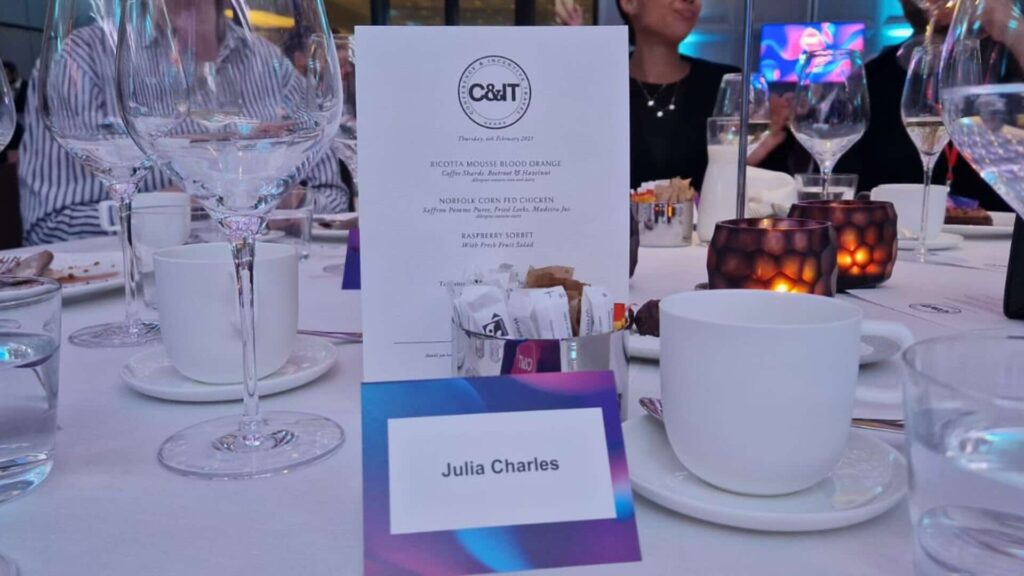
Over time, your network can become a powerful resource that adds value to every event you manage.
Moreover, strong networking skills often lead to referrals and partnerships, which can expand your client base and boost your reputation.
Cultivating authenticity and reciprocity in your connections will ensure long-term success and open doors to exclusive venues or premium suppliers.
Key Networking Tips:
- Attend industry conferences, trade shows and local meet-ups regularly
- Use social media platforms like LinkedIn to connect and engage with professionals
- Keep a contact database with notes on previous collaborations and specialities
- Offer help and value to your contacts to build trust and goodwill
- Follow up consistently after meetings or events to maintain relationships
Find out more about how to get ready for a networking event.
Client-Centric Approach
At the heart of every successful event is a client-centric mindset.
Prioritising the client’s vision means truly understanding their goals, preferences and expectations from the outset.
This involves active listening, asking the right questions and tailoring your services to meet their unique needs.
When clients feel heard and valued, it lays the groundwork for trust and smooth collaboration throughout the planning process.
Clear and consistent communication is critical in maintaining strong client relationships.
Regular updates, transparency about challenges and proactive problem-solving reassure clients and reduce potential misunderstandings.
Going beyond expectations, for example by offering creative suggestions, anticipating needs, or providing extra touches, can elevate the client experience and foster loyalty.
A client-first approach not only leads to higher satisfaction but often results in repeat business and referrals, which are essential for long-term growth.
Keeping the client’s interests front and centre ensures every decision contributes to their event’s success.
Key Client-Centric Practices:
- Begin with a detailed discovery meeting to understand the client’s vision
- Maintain frequent, clear communication with updates and progress reports
- Personalise recommendations and event elements to reflect client preferences
- Address concerns promptly and transparently
- Seek client feedback during and after the event to continuously improve

See some of our client reviews.
Technological Proficiency
In today’s fast-evolving event industry, technological proficiency is more important than ever.
Familiarity with event management software streamlines planning, budgeting and logistics by centralising information and automating repetitive tasks.
These tools improve accuracy, save time and enhance team collaboration.
Virtual event platforms have become a standard part of the landscape and knowing how to set up and manage webinars, livestreams and hybrid events expands your service offerings and enables you to reach wider audiences.
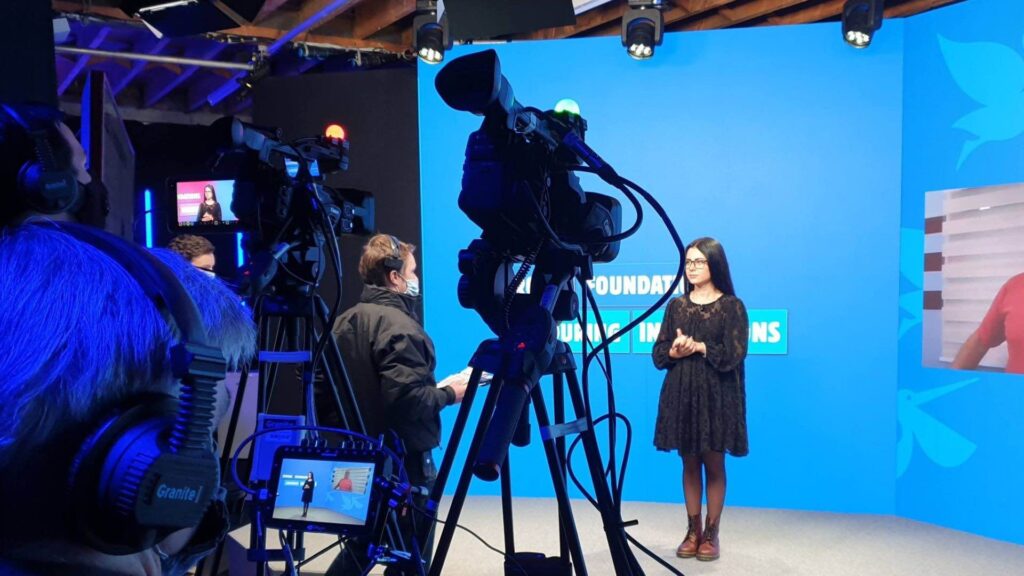
Additionally, digital tools such as event apps allow event managers to promote events effectively, track engagement and analyse attendee data for better targeting.
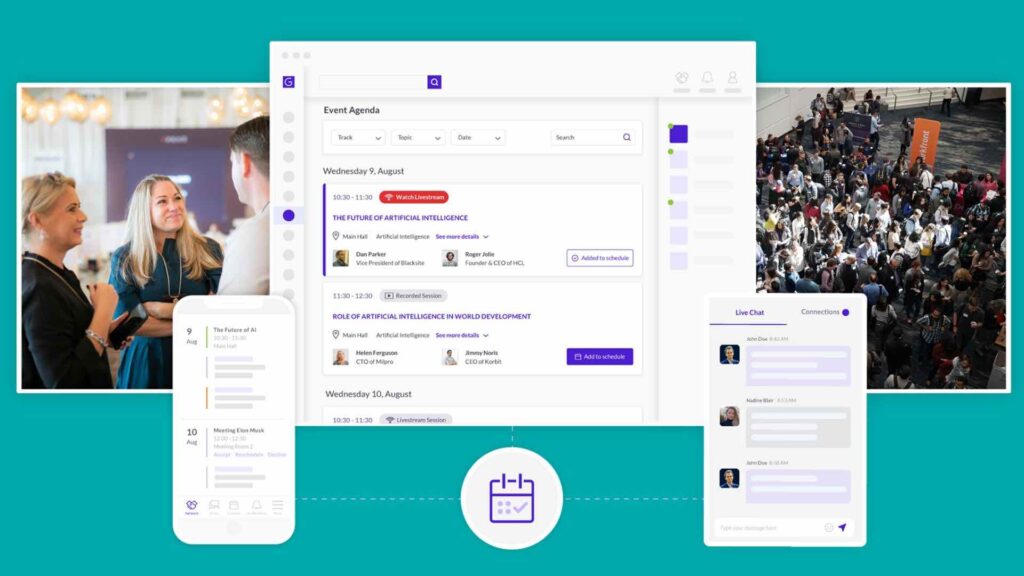
Keeping up with the latest technological trends helps you stay competitive and innovative.
This includes exploring emerging tools such as AI-powered chatbots for attendee interaction, augmented reality experiences or contactless check-in systems.
Continuous learning and adaptability in technology will enable you to deliver seamless, modern events that impress clients and guests alike.
Key Tech Skills to Develop:
- Master or have familiarity with popular event management platforms
- Gain expertise in virtual event software
- Have familiarity with CRM tools such as HubSpot and Mailchimp
- Explore new tech trends relevant to event engagement and logistics
- Train your team and suppliers on technology use to ensure smooth execution
Evaluate and Analyse for Success
Once the event is over and the last guest has left, the work isn’t done.
One of the most crucial skills for an event manager is the ability to step back, evaluate and analyse the event’s outcomes.
This reflection process ensures continuous improvement and helps build a track record of success.
Whether your event was a standout triumph or faced significant challenges, taking the time to review every aspect allows you to learn what worked well and what needs adjustment.
Evaluation is not just about celebrating wins; it’s about honest assessment to enhance future planning and execution.
Start your analysis by asking these key questions:
- Was the event’s primary purpose or goal achieved?
- Were there any unexpected problems or issues and could they have been prevented?
- How did the attendees, clients and stakeholders respond?
- What elements received the most positive feedback?
- What would you change or improve for next time?
Best Practices for Effective Evaluation:
- Collect feedback from clients, guests, suppliers and your team to get a full picture
- Review budgets and timelines to identify any deviations or efficiencies
- Analyse performance metrics, such as attendance, engagement, or ROI
- Document lessons learned and create actionable recommendations
- Use insights gained to refine your processes and inform future events
By making evaluation and analysis a routine part of your event management process, you build the foundation for ongoing growth and consistently better results.
Success in events is not just about one great day – it’s about evolving and improving with every event you manage.
Event Manager Skills In Conclusion
Event managers play an essential role in organising and overseeing the build-up to an event and ensuring everything runs smoothly on the day.
They must be able to plan and organise, manage budgets, negotiate effectively with suppliers and lead teams of people with diverse talents, to name just a few of the skills required.
If you develop and improve on all the skills in this list, you will be well on your way to be a better and more successful event manager.
Here’s Michael Charles, Creative Director of Julia Charles Event Management, talking more about what goes into organising an event:
If you have an event that needs planning and managing, contact us today. We not only have event professionals with all the skills required, but we also have many years of invaluable experience to deliver exceptional events.
Mastering these essential event management skills equips professionals to deliver exceptional events that resonate with clients and attendees alike.
By continuously honing these abilities, event managers can navigate the dynamic landscape of event planning with confidence and creativity.
Ready to Elevate Your Event?
Do you require the skills of a professional event manager for your next event? Why not get in touch with us today.

Join Our Team
Are you looking to get into an event management role?
Take a look at our careers page to see if we have any upcoming vacancies for an event planner.
Meet Our Directors and Lead Event Managers
At Julia Charles Event Management, our leadership team brings a wealth of experience and passion to every event.


Find out more About Us and Meet the Team.
Related Services:
Related Blogs:
- Challenges Event Managers Face and How to Avoid Them
- Planning An International Event | 10 Things To Consider
- How To Utilise Event Technology In The Planning and Management Of Your Event
- Event Budgeting: 10 Pitfalls and The Solutions
- 5 Hacks to Creating Exceptional Events On a Budget
- The Ultimate Guide to Choosing the Perfect Location for Any Event
- What To Look For When Choosing A Venue
- What Does A Professional Conference Organiser Do?
- The Complete Guide To Planning A Successful Gala Dinner
- What Is The Difference Between Event Management and Event Production?
- Why Book An Event Management Company For Your Corporate Event
- How To Optimise Event Flow
- Sustainability In The Events Industry
- Why Sustainability Matters: Exploring Its Vital Role In The Events Industry
Get In Touch With Us Today.
With nearly 20 years of Event Management insight, working with world-renowned Clients we'll help you create your Dream Event.
Get in Touch