Hybrid vs Live Events: What’s Right for You in 2025?
Choosing the right event format in 2025 comes with more consideration.
As the event industry evolves with emerging technologies and changing audience expectations, planners must weigh up hybrid events vs live events with care: the right format can dramatically boost engagement, return on investment and brand impact.
At Julia Charles Event Management, we help clients navigate this decision with clarity.
Whether you’re launching a product, hosting an internal conference, or creating an experiential brand activation, your choice of format sets the tone for the entire event experience.
This blog explores the benefits and drawbacks of both live and hybrid events, aligned with 2025 event trends.
Key takeaways:
- Live events offer immersive, emotional engagement ideal for brand storytelling and high-impact experiences
- Hybrid events combine reach and flexibility, offering global access and in-person intimacy
- Your event goals, audience profile and budget should guide your format decision – not the trends alone
You’ll learn which approach suits different objectives, audiences and budgets – plus practical advice for making the most of either format.
Table of contents:
- Hybrid vs live events
- Why event format selection is so important
- 2025 event trends
- Stuck between the two? Go hybrid
- Event planning 2025: Summary framework
- Book an event with Julia Charles Event Management
Hybrid vs Live Events
The debate between hybrid vs live events continues to evolve as we head into 2025.
With technology advancing and audience expectations shifting, event planners face new challenges and opportunities when choosing the right format.
Understanding the strengths and limitations of each format is crucial – not just from a logistical perspective, but from a strategic one.
We’ll break down what each format really means, how they function in today’s event landscape and which scenarios they serve best.
What is a hybrid event?
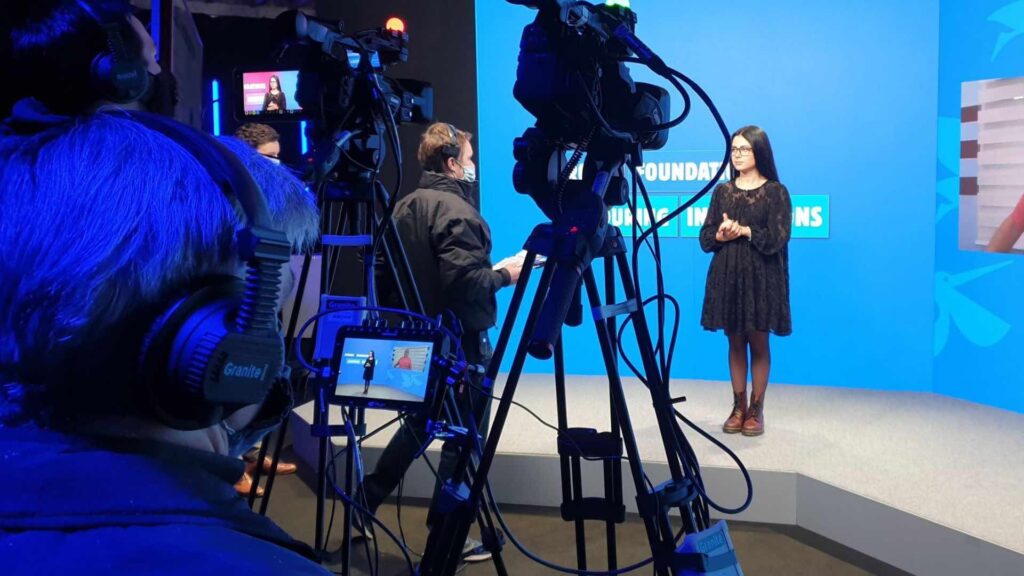
Firstly, a hybrid event combines both in-person and virtual components.
Typically, there’s a live audience at a venue, with additional attendees joining remotely via a livestream or virtual platform.
Both audiences engage with the same core content, often with tailored experiences.
Hybrid events allow planners to maximise reach while retaining some of the energy of physical events – audiences from around the world can attend without travel, whilst local attendees benefit from face-to-face networking and immersive experiences.
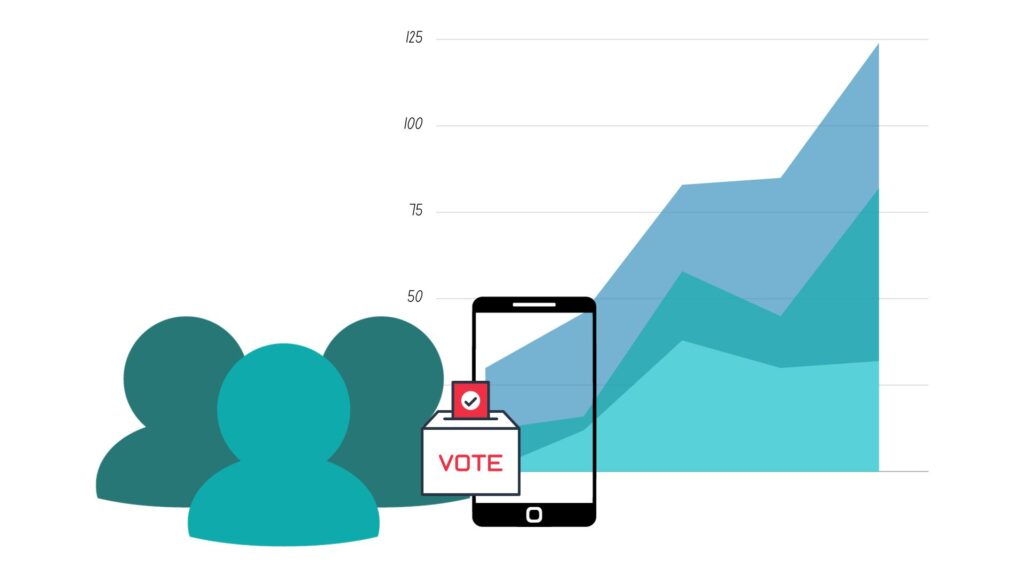
Furthermore, with advancements in event technology, for example, in event apps, hybrid formats now support dynamic interaction, for example:
- Real-time polling
- Virtual networking lounges
- Live Q&As from multiple locations
They also generate robust analytics, making them attractive for ROI tracking.
In summary, hybrid events provide:
- A mix of in-person and virtual attendance
- Scalable reach and measurable engagement
- Enhanced interaction via digital platforms
Find out more about our hybrid event services.
What is a live event?
So what is a live event?
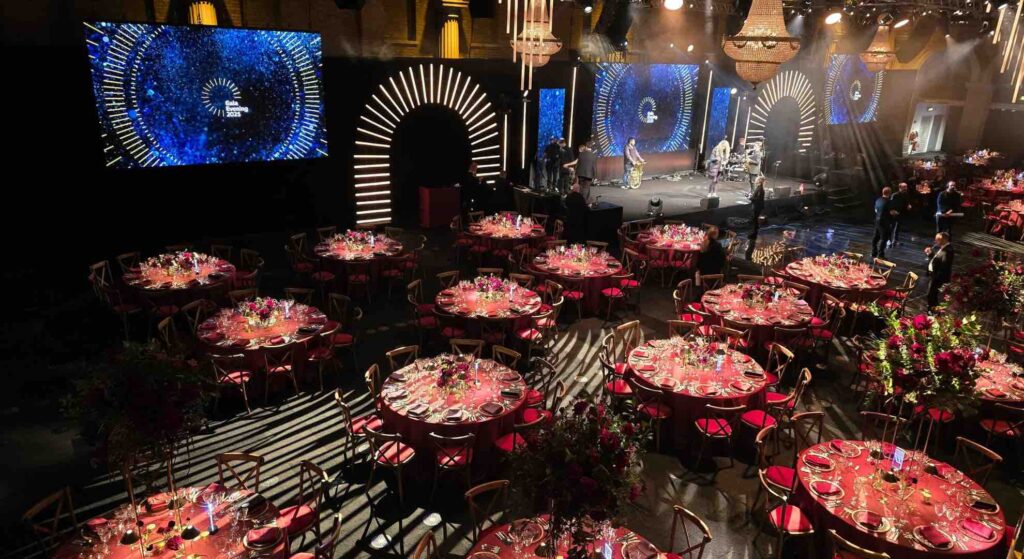
Live events are fully in-person experiences, held at a physical venue with real-time audience engagement.

From gala dinners to product launches and experiential brand activations, live events deliver unmatched emotional connection.
The strength of live events lies in atmosphere – shared energy, body language and sensory immersion are difficult to replicate virtually.
For luxury brand experiences, live formats often yield greater impact.
However, live events have limitations. They involve higher travel and venue costs, require more logistics, and have limited reach.
For audiences that are geographically spread or tech-savvy, this can be a barrier.
In summary, live events provide:
- Fully in-person audiences and delivery
- Powerful emotional engagement and atmosphere
- More complex logistics and geographical limitations
Explore our event services to find out more about the live events we can deliver.
Why Event Format Selection is So Important
So with the formats covered, let’s get into why choosing between hybrid vs live events is so important.
Firstly, choosing between the two is not a one-size-fits-all decision.
The right event format directly influences audience satisfaction, attendance rates, budget allocation and overall event impact.
Creative event design is important because different formats support different engagement strategies.
Live formats work best when in-person energy and connection are essential.
Whereas hybrid formats work better when inclusivity, accessibility and digital interaction are paramount to achieving your event goals.
With 2025’s diverse audiences and event expectations, format selection must align with brand strategy.
Misalignment can lead to poor attendance, limited engagement, or a missed opportunity to extend brand visibility.
2025 Event Trends
Staying ahead of event planning in 2025 means understanding emerging trends and technologies.
According to BizBash, ‘personalisation, sustainability, and AI-powered interactivity are key trends shaping next‑gen events in 2025’.
Audiences expect more than content – they want connection, convenience and customisation.
As such, hybrid and virtual formats are rising, especially for internal events and knowledge-sharing sessions, whilst live, in-person formats are returning for brand-driven experiences.
Our 2025 event trends blog outlines more, including sensory design, gamification and the return of immersive, themed environments.

Live Events
As mentioned previously, live events are becoming more immersive, personalised and multisensory in 2025.
Audiences crave real-world connection after years of digital overload.
As a result, live events are ideal for high-impact brand activations, luxury launches and experiential campaigns.
Tactile design, themed environments and theatrical storytelling are trending.
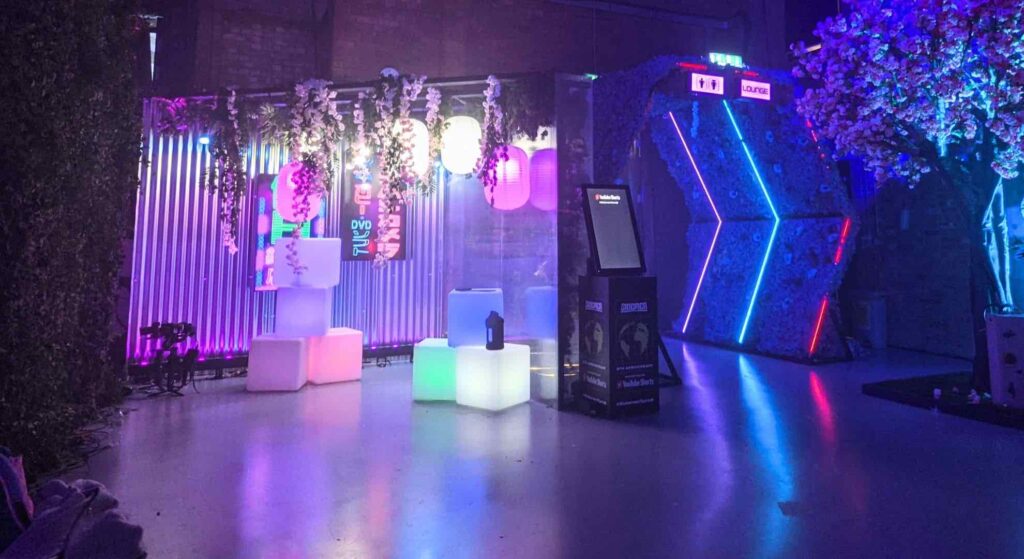
We’re seeing clients lean into experiential event design to create memorable touchpoints that can’t be replicated on a screen.
For planners prioritising emotional impact, exclusivity, or premium experiences, live is still king.
Explore our full range of event services.
Virtual and Hybrid Events
Hybrid and virtual events in 2025 are driven by data, accessibility and technology.
According to EventMB, ‘over 70% of planners are maintaining hybrid options to boost reach and inclusivity’.
As such, these formats are thriving for corporate events, educational summits and internal communication.
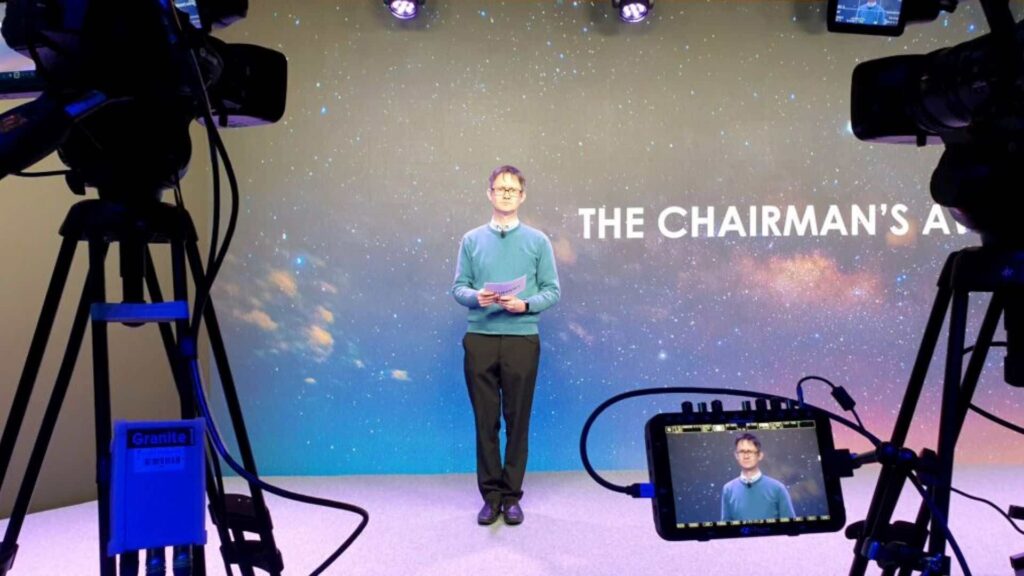
With tools like AI-powered networking and custom-built platforms, attendees are more engaged than ever – wherever they are.
Hybrid events are also paramount in supporting sustainability goals, aligning with broader ESG strategies by reducing carbon footprints through fewer flights and physical infrastructure.
Find out more about our sustainable event services.
Stuck Between the Two? Go Hybrid
So now you know the benefits of both virtual and hybrid event formats, what if you want an in-between?
Hybrid events offer a practical middle ground: they provide the intimacy of live experiences with the accessibility of virtual ones.
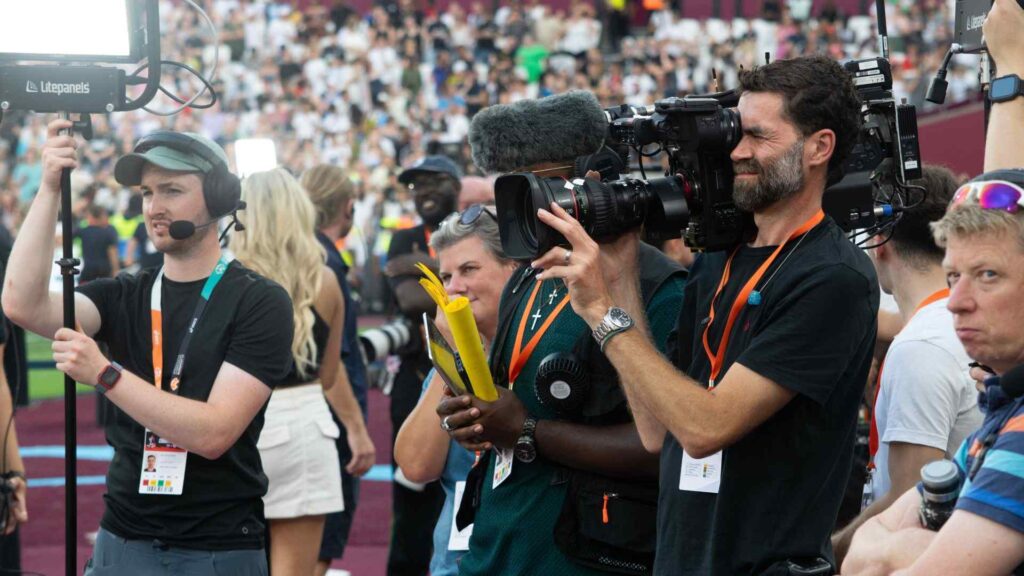
This format is perfect when you have a diverse audience – some local, some remote – and it also provides a lot more flexibility.
Furthermore, if travel plans change or restrictions return, you can pivot seamlessly.
They also give your event long life – the content captured from these events can be repurposed, replayed and reused – great for marketing campaigns and boosting the longevity of your events.
Although hybrid events can require more planning, hybrid formats often yield the best return on investment – capturing both reach and real-world impact.
Read on to our next section, where we cover which format works best.
Event Planning 2025: Summary Framework
So, with so many formats, tools, and audience needs to consider, event planning in 2025 demands clarity and flexibility.
Choosing between virtual, hybrid, or live experiences isn’t just about trend-following – it’s about aligning with your event’s purpose, audience expectations and logistical realities.
To help simplify this process, we’ve created a clear framework that maps out when to use each format, what works best for different scenarios and what pitfalls to avoid.
Whether you’re running a corporate conference, product launch, or training seminar, this summary will guide you toward the right format for success in 2025.
Virtual events work best for:
- Smaller budgets – no venue, travel, or catering costs
- Global audiences – cross-border reach
- Educational content – training, webinars, knowledge-sharing
- Sustainability – carbon-neutral delivery
- Data tracking – measurable engagement
- Accessibility – no travel barriers, flexible attendance
Find out more about our virtual event solutions.
Hybrid events work best for:
- Larger budgets – investment in AV and tech
- Mixed audiences – global and local attendees
- Product launches – in-person demo and virtual buzz
- Corporate events – flexibility for employee preferences
- Attendance goals – maximise participation
- Flexibility – ready for unexpected changes
Event Planning Scenario: Annual Company Conference (500 attendees)
To bring the framework to life, let’s explore how it applies to a real-world example: an annual company conference expecting 500 attendees.
This type of event typically involves presentations, breakout sessions, networking and internal communications – all of which can be delivered in multiple formats.
By comparing virtual and hybrid approaches side by side, you’ll see how different formats impact budget, audience experience, engagement strategies and technical needs.
This scenario provides a practical reference for making format decisions during your 2025 event planning process.
Virtual event
Do:
- Invest in quality streaming
- Create breakout sessions
- Offer digital networking
- Send welcome packs
- Use live chat, polls, and Q&As
Don’t:
- Overextend session lengths
- Skip tech rehearsals
- Ignore time zones
- Assume tech skills
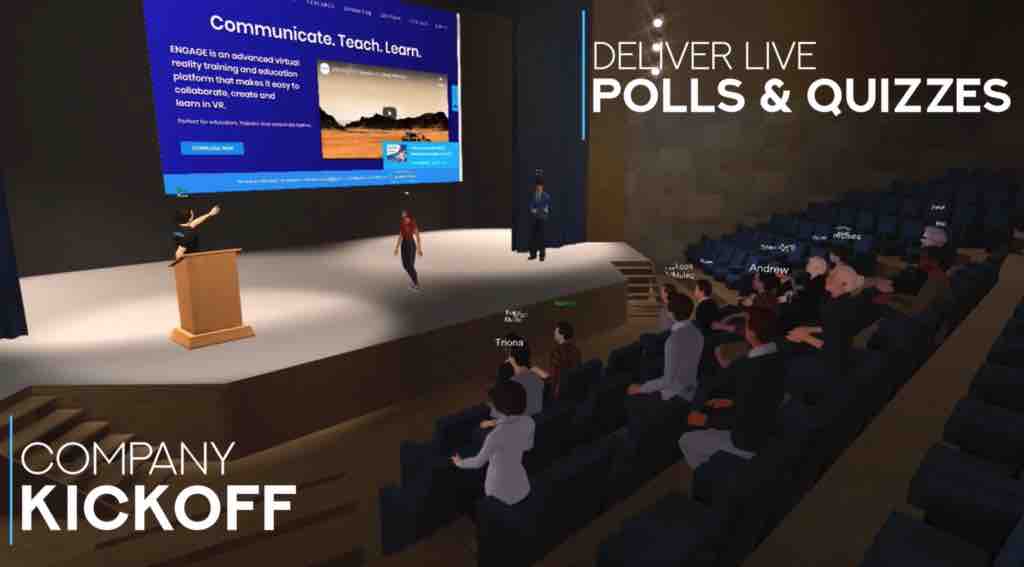
Hybrid event
Do:
- Seamlessly integrate experiences
- Use dedicated staff for each audience
- Ensure quality AV for streaming
- Create tailored networking
- Extensively test all tech
Don’t:
- Prioritise one audience
- Underestimate tech complexity
- Forget to moderate chat
- Assume less effort for the virtual side
Both virtual and hybrid formats offer effective solutions for a 500-person company conference – but they serve different goals.
A virtual event keeps costs low, increases accessibility and suits content-driven agendas, whilst a hybrid event adds value through in-person networking and a more immersive experience for local attendees.
If your audience is global, your budget is tight, or sustainability is a priority, virtual is the way to go. If you want to maximise engagement and offer a premium, flexible experience that blends live energy with digital convenience, hybrid is your best bet.
Explore our full range of event services.
Book an event with Julia Charles Event Management
We hope this blog has provided some valuable insight into choosing between hybrid and live event formats.
To summarise, it all depends on your goals, audience, and brand priorities.
Whether you’re planning a global conference, immersive launch, or internal team summit, the right format makes all the difference.
At Julia Charles Event Management, we help you design events that connect – live, hybrid or virtual.
From cutting-edge event technology to creative virtual solutions, our expert team will help you craft an experience that works.
Get in contact with a member of the events team today to discuss your 2025 event goals.
Related services:
- Event Management
- Event Production
- Event Technology
- Virtual Events
- Hybrid Events
- Sustainable Events
- Brand Activations
- Product Launches
- Conferences
- Gala Dinners
Related blogs:
- How To Organise A Successful Virtual Conference
- Top 7 Services To Book When Organising An International Conference
- What Is A Hybrid Conference?
- How To Run a Sustainable Conference
- Get Tech Savvy: What Technology Services To Book For Your Next Conference
- Immersive Technology Attractions To Use For Brand Activations
- Hybrid Events: What Are They And Why Book One?
- How Can Event Technology Make My Event More Sustainable?
Get In Touch With Us Today.
With nearly 20 years of Event Management insight, working with world-renowned Clients we'll help you create your Dream Event.
Get in Touch